Engwe EP-2 3.0 Boost vs EP-2 Boost: Is the 3.0 Worth £200 More?
A straight-talking comparison of the Engwe EP-2 3.0 Boost and EP-2 Boost, covering price, folding, UK legality and which one is the better everyday buy.

The line-up compared
| Model | Price | Motor | Range | Top speed | UK road status |
|---|---|---|---|---|---|
| Engwe Engine Pro 3.0 Boost Folding Electric Bike | £1,669.00 | 250W | 50 Miles | 15.5 Mph | Road legal |
| Engwe L20 3.0 Boost Folding Electric Bike | £1,019.00 | 250W | 53 Miles | 15.5 Mph | Road legal |
| Engwe EP-2 3.0 Boost Folding E-Bike | £1,069.00 | 250W | 74 Miles | 15.5 Mph | Road legal |
| Engwe EP-2 Boost Folding Fat Tire E-Bike | £869.00 | 250W | 75 Miles | 15.5 Mph | Road legal |
| Engwe L20 Boost Fat Tire Electric Bike | £1,069.00 | 250W | 78 Miles | 15.5 Mph | Road legal |
| Engwe O20 Boost Folding Electric Bike | £969.00 | 250W | 50 Miles | 15.5 Mph | Road legal |
| Engwe L20 3.0 Pro Foldable Electric Bike | £1,369.00 | 250W | 87 Miles | 15.5 Mph | Road legal |
| Engwe N1 Air Carbon Fibre Electric Bike | £1,169.00 | 250W | 62 Miles | 15.5 Mph | Road legal |
The Engwe range has quickly become one of the go-to names for affordable folding electric bikes in the UK.
Today we are comparing two of its most popular models, the EP-2 3.0 Boost and the older EP-2 Boost.
The question is simple. Is the newer 3.0 worth £200 more?
The £200 Question
When both bikes are in the sale, the price gap is exactly £200.
The EP-2 3.0 Boost is £1069, while the EP-2 Boost is £869.
At full RRP, the gap grows to £350, so the current sale makes the comparison even more interesting.
Money matters, but the right bike is the one you will actually use every week.
What "3.0 Boost" Usually Means
The "3.0" badge is Engwe's way of showing a model has gone through a third revision.
In this part of the market, a revision usually means a smoother controller, a clearer display or a firmer folding latch.
Engwe has not published a single side-by-side sheet, so we judge the bikes on what the price and the range position tell us.
What the name does not tell you
The "Boost" part appears on both models. It is a brand name, not a promise of extra power.
Both must follow UK electric bike law, which we cover below.
Do not assume a newer version automatically has a bigger battery or motor.
Shared Strengths of Both Bikes
Both bikes share the same folding concept. They are designed to fold down for a car boot, a train or a small flat.
You get fat all-terrain tyres on both, which helps on towpaths and light gravel.
The step-over or step-through geometry is easy for most riders, but you should check the frame size before buying.
The folding frame
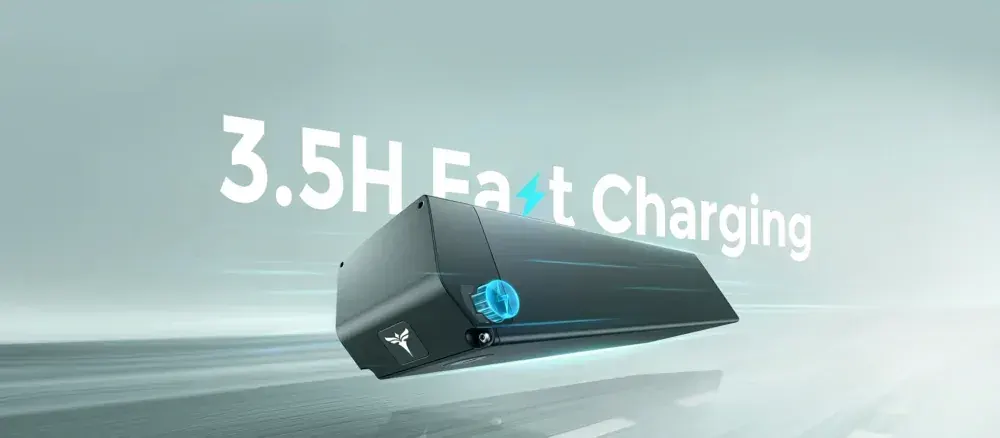
A folding e-bike is about more than the hinge. You need a battery that is easy to remove and a frame that does not rattle.
Both models use a mid-fold design, so they stand up on their own when folded.
That matters if you park in a hallway or take the bike on a train.
Ride feel
Fat tyres smooth out rough tarmac, but they add weight.
For a short commute, that weight is not a big problem. For carrying up stairs, it can be.
We suggest checking the total weight if you have a narrow staircase or a high-rise flat.
- Both fold down for storage in a car or flat.
- Both use chunky all-terrain tyres for comfort and grip.
- Both are sold as UK-ready electric bikes, but always check the final spec.
Where the 3.0 Justifies the Extra £200
The extra £200 tends to go into the details you notice after a few weeks of use.
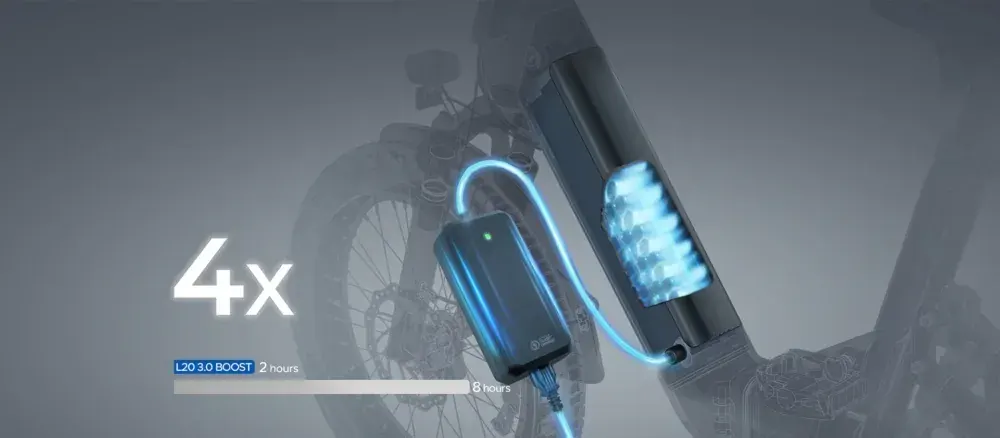
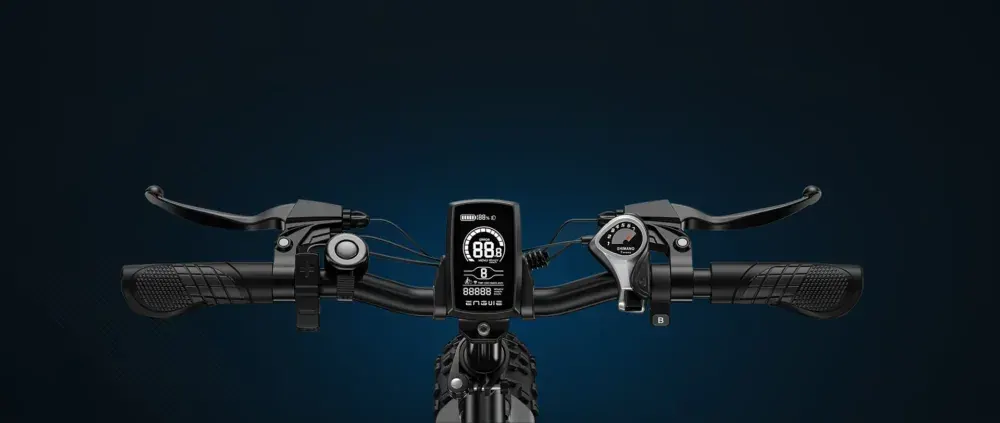
Newer revisions often get a brighter display, a more responsive controller and a more secure folding mechanism.
If you ride daily, small improvements add up quickly. A clearer display means less time looking down.
If you only ride once a month, those differences may not matter much.
Newer electronics and display
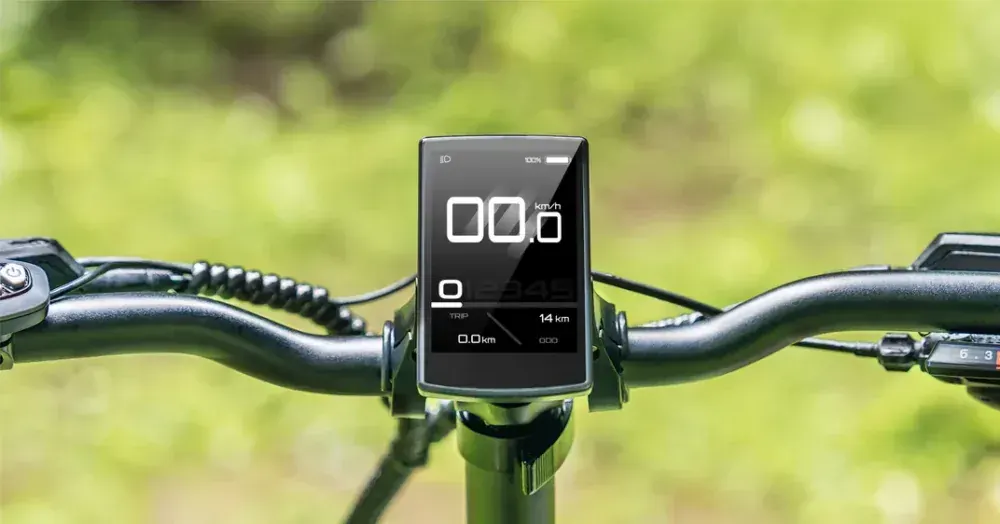
The 3.0 is likely to have the latest firmware and switchgear, which usually means smoother pedal assist.
That can reduce the jerky feeling some budget e-bikes have when the motor kicks in.
You should still expect a rear hub motor with a cadence sensor at this price, not a torque sensor.
If you want to see other folder options, our folding electric bikes page is a good next stop.
Where the EP-2 Boost Wins on Value
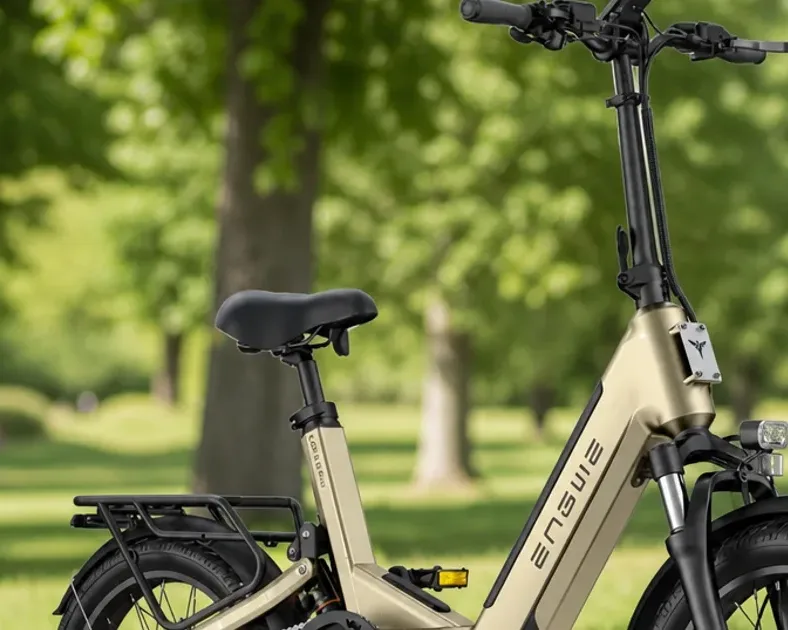
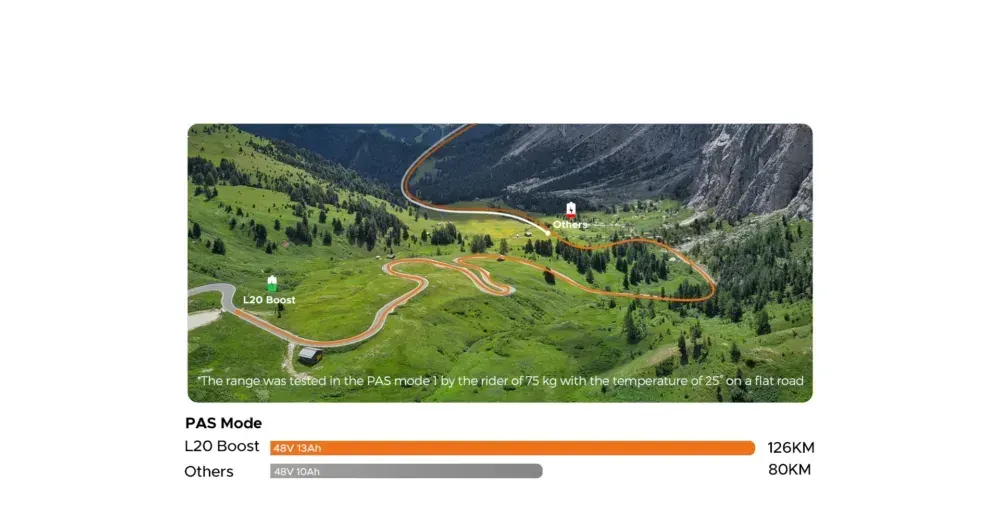
The original EP-2 Boost is now one of the most affordable fat tyre folders we sell.
At £869, it undercuts many rivals by a large margin. That leaves cash for a helmet, lock and lights.
The older model has been on sale longer, so there is more owner feedback and a proven track record.
If the bike fits your needs, saving £200 is a perfectly sensible choice.
The older model's proven parts
Older is not always worse. The EP-2 Boost's parts have been in the wild for longer, which often means easier servicing and spares.
For a budget e-bike, that kind of maturity is reassuring.
You may give up a few newer touches, but you keep a bike that does the same core job.
If you are still unsure, our budget e-bike brand comparison puts Engwe against other names.
UK Law and Practical Limits
Both bikes have to meet the same UK rules if they are to be ridden on the road.
The UK government's electric bike rules set out the key points.
An EAPC motor must be no more than 250W, and assistance must cut off at 15.5 mph.
Riders must be at least 14, and the bike must have pedals that can propel it.
For a plain-English summary, Cycling UK has a useful guide to e-bikes.
If you want a wider view, Wikipedia's electric bicycle page covers the background.
What the 15.5 mph limit means
Above 15.5 mph, the motor stops helping. You can pedal faster, but it is all you.
That limit applies to both models, no matter what the display says.
For most city and trail riding, 15.5 mph feels quicker than it sounds.
| Legal requirement | Limit | Notes for both bikes |
|---|---|---|
| Continuous motor power | 250W | Both must stay within this to be EAPC legal |
| Assisted cut-off speed | 15.5 mph | Motor stops assisting above this |
| Minimum rider age | 14 years | Same for both bikes |
Who Should Buy the EP-2 3.0 Boost
The 3.0 is the pick if you ride several times a week and want the latest revision without paying RRP.
It suits commuters who value a clear display and smoother motor pickup when pulling away from lights.
If you plan to keep the bike for three years or more, the newer parts are a safer bet.
You may also want the 3.0 if you have had an older Engwe and want a refinement, not a completely different bike.
A few rider profiles
City commuters, train riders and regular leisure cyclists are the natural fit.
If you carry the bike up steps, check the total weight first, because fat tyre folders are not light.
- Daily or near-daily riders who will notice smoother assist.
- Buyers who want the newest revision without paying full RRP.
- Riders who keep bikes for years and want the latest parts.

Who Should Buy the EP-2 Boost
The original model wins if your budget is firm and every pound counts.
At £869, it is one of the cheapest fat tyre folders we list, which makes it a smart entry into e-bikes.
It also makes sense for second-bike buyers who want something simple for weekend rides or a spare commuter.
If you do not need the newest polish, you will not miss the £200.
Budget-first buyers
Put the saved £200 towards a good lock, a helmet and some lights.
Those accessories do more for everyday safety than a newer display ever will.
The EP-2 Boost still folds, still assists to 15.5 mph and still rides trails.
You can see the rest of the all bikes range if neither fits.
- Riders on a strict budget who still want a legal folding e-bike.
- Occasional riders who will not notice small electronic refinements.
- Buyers who want to spend the difference on safety gear.
Final Verdict: Is the 3.0 Worth £200 More?
The answer is a quiet yes, but not for everyone.
The 3.0 earns its premium through newer details, and the current sale price narrows the gap from £350 to £200.
If you ride often, the smoother electronics and newer folding hardware will justify the extra cost over a few years.
But the older EP-2 Boost is not a downgrade. It does the same core job and leaves £200 in your pocket.
For most casual riders, the EP-2 Boost is actually the better value. For regular commuters, the 3.0 is the better bike.
We would rather see you buy the cheaper bike with proper lights and a good lock than the newer bike with none.
Frequently asked questions
Is the Engwe EP-2 3.0 Boost legal to ride on UK roads?
It can be, provided it meets EAPC rules. The motor must be rated at 250W or less and assistance must cut off at 15.5 mph. You also need to be at least 14 and the bike must have working pedals.
What exactly do I get for the extra £200 with the 3.0?
The 3.0 is a newer revision, so you usually get updated electronics, a clearer display and a more refined folding mechanism. Engwe has not published a full side-by-side sheet, but the improvements tend to show up in smoother assist and daily ease of use.
Which bike is better for a short commute?
Both work well for short commutes. If you ride most days, the EP-2 3.0 Boost is the nicer long-term pick. If you ride once or twice a week and want to save money, the EP-2 Boost is perfectly good.
Does the EP-2 Boost have the same top speed as the 3.0?
Yes, both are limited by UK law to 15.5 mph of motor assistance. Above that speed the motor stops helping, so the real-world difference is in how smoothly the assist feels, not top speed.