Engwe L20 3.0 Pro vs L20 3.0 Boost vs L20 Boost: Which L20?
Three folding fat-tyre electric bikes, one familiar name. Find out which Engwe L20 suits your commute, your budget and your local paths.

The line-up compared
| Model | Price | Motor | Range | Top speed | UK road status |
|---|---|---|---|---|---|
| Engwe L20 3.0 Pro Foldable Electric Bike | £1,369.00 | 250W | 87 Miles | 15.5 Mph | Road legal |
| Engwe L20 3.0 Boost Folding Electric Bike | £1,019.00 | 250W | 53 Miles | 15.5 Mph | Road legal |
| Engwe L20 Boost Fat Tire Electric Bike | £1,069.00 | 250W | 78 Miles | 15.5 Mph | Road legal |
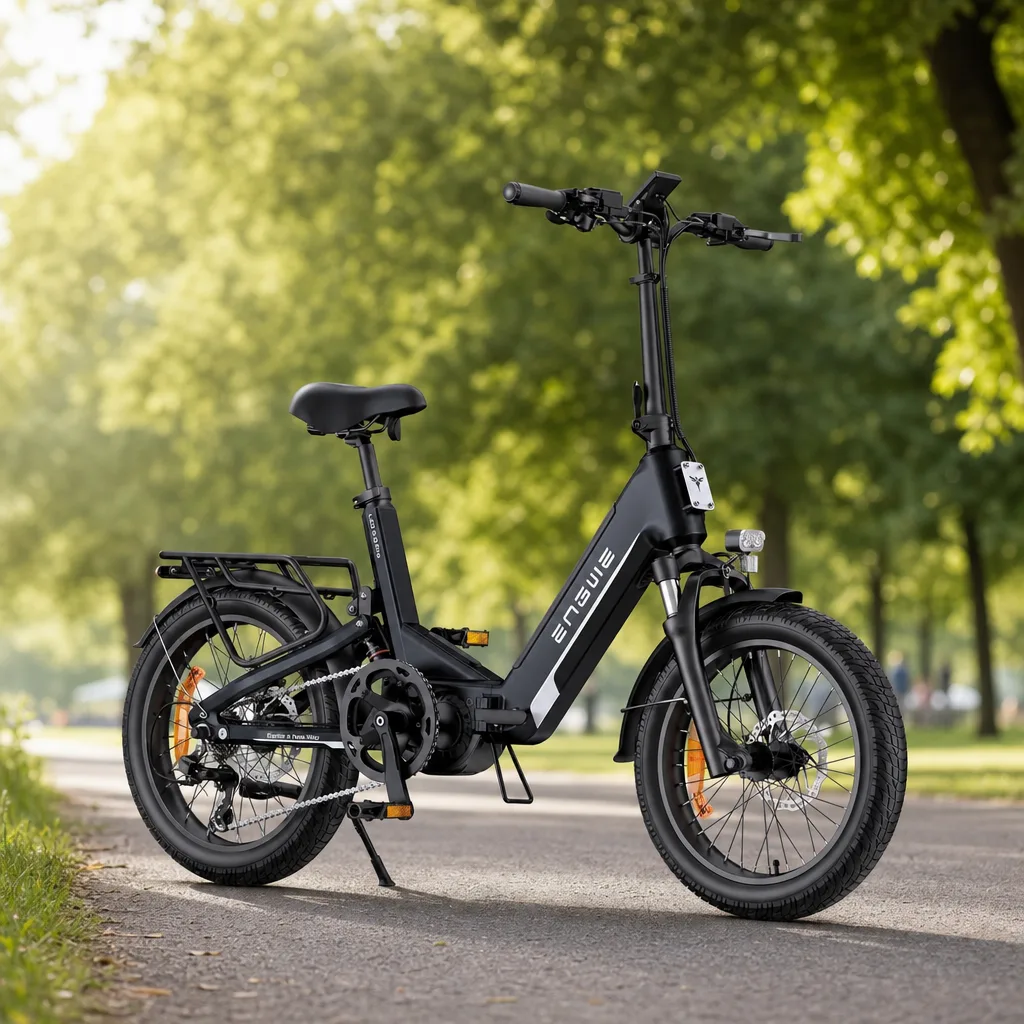
If you are looking at the Engwe L20 range, you have found a family of folding fat-tyre electric bikes that punch above their price. Three models share the L20 name, but each suits a different rider. This guide compares them without hype, using published specs and UK law.
The current lineup includes the L20 3.0 Pro at £1369, the L20 3.0 Boost at £1019, and the original L20 Boost at £1069. All three fold, all three run on fat tyres, and all three are legal EAPCs in the UK. The real differences are battery size, parts quality and how far you ride.
1. The L20 family at a glance
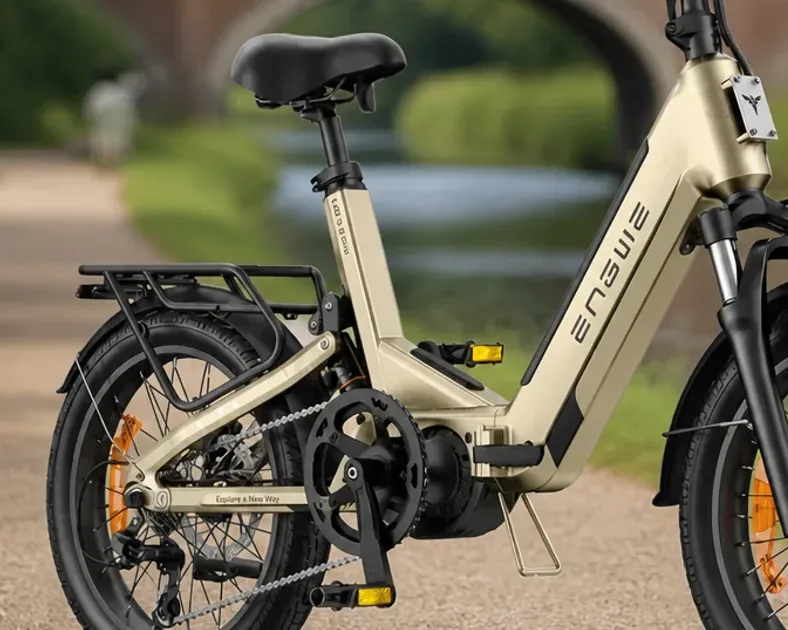
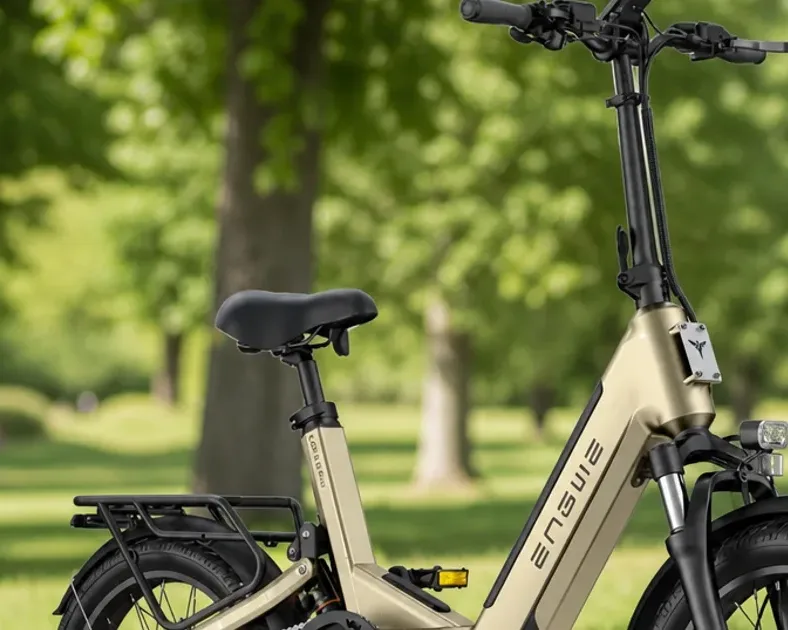
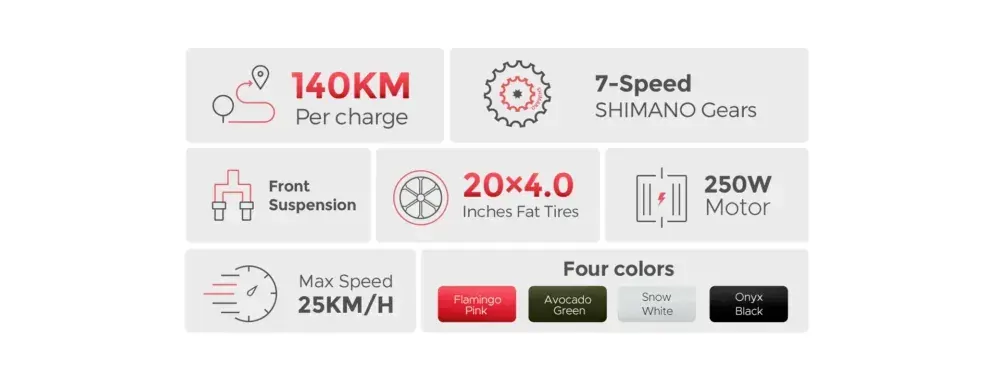
Every L20 shares the same basic recipe. A 250W rear hub motor, 20-inch fat tyres and a folding frame. That makes them comfortable on rough paths and easy to store in a car boot or small flat.
UK law caps continuous motor power at 250W and electric assistance at 15.5 mph. All three bikes meet that as standard. You can read the government guidance on electric bikes to check the full EAPC definition.
- All three fold down for car boots, sheds and train luggage areas.
- All three use 20-inch fat tyres for grip, comfort and stability.
- All three are legal from age 14 with no licence, tax or MOT.
- All three are heavier than a standard bike, so lifting them upstairs takes real effort.
If you are new to folding e-bikes, our folding electric bikes hub explains what to check before you buy. Think about your storage space, your typical journey and how often you will carry the bike.
2. Engwe L20 3.0 Pro: the long-range premium pick
The Engwe L20 3.0 Pro sits at the top of the L20 range. At £1369 it costs the most, but you get the largest battery and the most refined ride of the three. Long or hilly commutes are where it earns its keep.
The Pro's extra battery capacity means you can go further between charges. You may pay more today, but you save time and worry later. Real range drops in cold weather and on steep climbs, so that extra headroom is genuinely useful.
Its RRP was £1599, so the current price already reflects a decent saving. That narrows the gap to the cheaper models. The Pro also tends to come with better contact points, so the saddle and grips feel less like budget parts.
Who should pick the Pro?
Choose the Pro if your round trip is 15 miles or more, or if your route has proper hills. The bigger battery also helps if you cannot charge at work. It is the only L20 we would recommend for regular longer rides.
If you only ride short, flat trips, the Pro is overkill. You would be paying for range you never use. In that case, the cheaper models make more sense.
3. Engwe L20 3.0 Boost: the everyday all-rounder
The Engwe L20 3.0 Boost is the middle child in price at £1019. It keeps the newer 3.0 platform but trims the battery and a few extras to bring the cost down. For most UK riders, it is the sensible default.
This model handles a typical 10 to 15 mile round trip with ease. It still has the fat tyres and folding frame that make the L20 comfortable. You lose some range, but you also save £350 compared with the Pro.
At current pricing, the 3.0 Boost undercuts the original L20 Boost by £50. That is unusual, and it makes the newer bike the better buy on paper. Unless the original drops further, the 3.0 Boost is the obvious choice in this middle ground.
Everyday commuting on a budget
The 3.0 Boost suits commuters who want a dependable ride without spending over a grand. Charge it overnight, ride to work, charge it again if you can. On a normal day, you will not miss the Pro's extra cells.
Its folded size is similar to the other L20 models, so storage is no harder. If you have a small flat, a car boot or a shed, this bike will fit. Just do not expect it to be feather-light.
4. Engwe L20 Boost: the original fat-tyre bargain
The Engwe L20 Boost is the original design, priced at £1069. Its RRP is only £1099, so the discount is small. It is still a capable bike, but the newer 3.0 models have moved things on.
You might pick the original if you find it on a deeper offer, or if the 3.0 extras do not matter to you. But right now the 3.0 Boost costs £50 less and gives you a newer frame. That makes the original hard to recommend unless the 3.0 Boost is out of stock.
The original does share the same fat tyres and folding concept, so it is not outdated in comfort. The main reason to consider it is if you prefer its exact colour or if a specific accessory bundle appears. Otherwise, the newer 3.0 is the stronger buy.
Why the original is now a niche choice
The original L20 Boost is not a bad bike. It simply faces stiff competition from its own siblings. The 3.0 Boost undercuts it on price, and the Pro outguns it on range. For most buyers, the original only wins if price drops further.
Spare parts for the original are still available, and the design is proven. That matters if you plan to keep the bike for years and want to avoid surprises. But that same reliability argument applies to the whole L20 family.
5. Motor, battery and real-world range compared
All three bikes use a 250W rear hub motor. That is the legal maximum for continuous power on UK roads. The controller and battery differ, which is why the Pro feels stronger on long climbs and holds assistance for longer.
Manufacturer range figures are always optimistic. They are usually tested with a light rider, smooth tarmac and low assistance. In real UK conditions with hills, wind and cold, expect noticeably less. Cycling UK's guide to electric bikes explains why range varies so much.
Cold weather is the hidden range killer. Batteries deliver less energy when temperatures drop, so a ride that is easy in summer can feel short in winter. Keep the battery indoors before you ride, and charge it at room temperature.
Battery size and charging habits
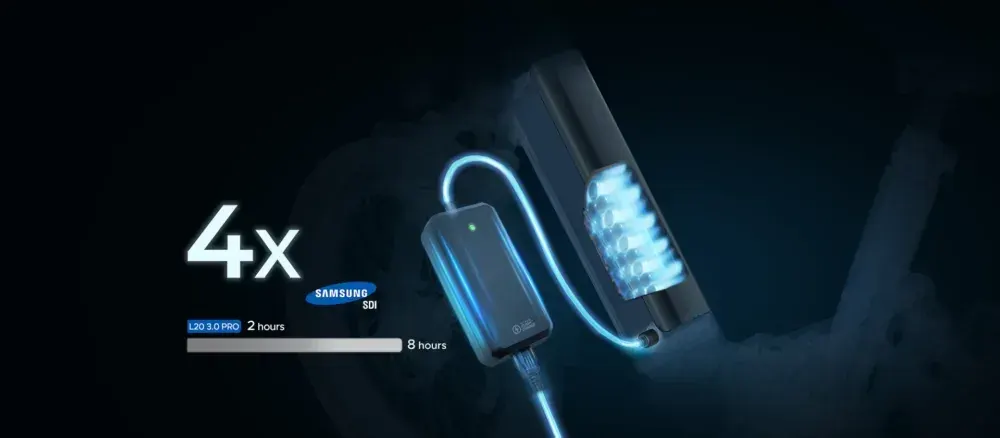
The bigger battery on the Pro means fewer charges, but it also takes longer to refill from empty. If you can charge at work or at home overnight, the cheaper models are fine. Plan your charging around your routine, not the other way round.
All three batteries are removable, which helps in flats without a ground-floor socket. That also lets you take the battery inside to charge in the warm. A warm battery lasts longer and performs better on cold mornings.
How power delivery feels
The Pro steps up to more responsive power delivery, so it feels smoother and less like an on-off switch. The cheaper models still pull well from a standstill. On short journeys, that difference is small. On longer rides, the Pro feels calmer and more controlled.
For steep hills, the Pro's larger battery and refined controller hold assistance for longer. The cheaper L20 models will still climb, but you may need a lower gear and more pedal effort. That is the trade-off for the lower price.
6. Ride comfort and practicality: folding, weight and tyres
Comfort is a strength across the L20 range. The 20-inch fat tyres soak up potholes and gravel far better than skinny road tyres. That matters on UK cycle paths, which are rarely smooth.
Folding an e-bike is useful, but be realistic. These are not light bikes. You will not casually carry one up three flights of stairs every day. If you need to lift often, look at a lighter model in our all bikes collection.
- Wide tyres: more grip and comfort, but slightly slower roll.
- Folding hinge: great for car boots, sheds and under-desk storage.
- Weight: manageable to push, but heavy to carry long distances.
- Saddle and grips: basic on the original, improved on the 3.0 models.
Tyre pressure makes a big difference on fat tyres. Run them too hard and the ride gets bouncy. Run them too soft and you waste battery. Check the sidewall and adjust for your weight and the road surface.
Weight matters more than folded size
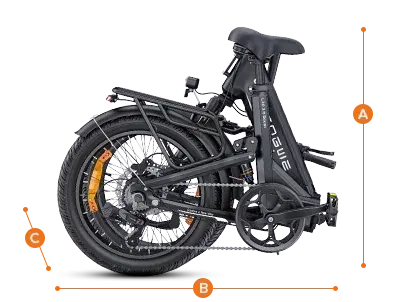
All three bikes fold to a similar footprint, but none are featherweights. If your only storage is a high shelf or a narrow hallway, measure first. The folded bike is about the size of a large suitcase, not a briefcase.
The folding mechanism itself is simple, and most riders learn it in a day. Practice at home before you need to fold it quickly on a train platform. A little practice saves a lot of fumbling later.
7. UK law and where you can ride each one
All three L20 bikes are EAPCs as long as they are not modified. You can ride them on roads and cycle paths where normal bikes are allowed. You must be 14 or over, and you do not need a licence, tax or insurance.
Do not derestrict the motor to go faster than 15.5 mph under power. A modified e-bike becomes a moped in law, which means insurance, registration and a driving licence. The official rules are clear, and enforcement is increasing.
Cycle paths that are shared with pedestrians require care. Electric assistance can surprise people, so slow down and give space. The same rules of courtesy apply as with any bike, but your extra weight means you need more stopping distance.
Throttle and twist-and-go rules
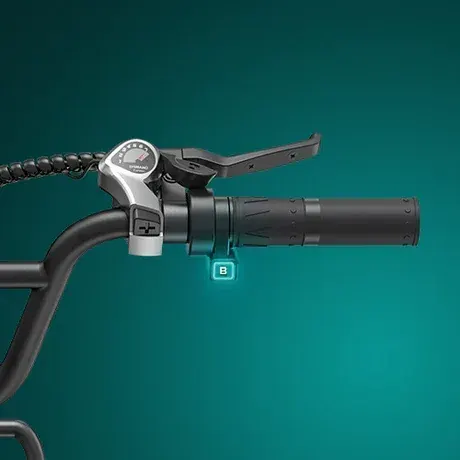
UK law allows a throttle only up to about 3.7 mph without pedalling. After that, you must pedal to get assistance. Some L20 models may have a walk-assist mode, which is allowed. For a plain-English summary, see Wikipedia's overview of UK e-bike laws.
If a seller or online video tells you to remove the speed limiter, ignore it. You would be riding an illegal moped, and that can lead to fines, points on your licence and even seizure of the bike. It is not worth the extra few mph.
8. Which L20 should you buy?
For most people, the L20 3.0 Boost is the best balance of price, range and newer parts. It costs less than the original and does nearly everything the Pro does on a typical day. If you ride far or hate charging, the Pro earns its premium.
| Rider type | Best pick | Main reason | Price |
|---|---|---|---|
| Long or hilly commute | L20 3.0 Pro | Largest battery and best parts | £1369 |
| Most riders on a budget | L20 3.0 Boost | Newer design, £350 less than Pro | £1019 |
| Short flat trips only | L20 Boost | Still capable, but check for offers | £1069 |
You can see the full L20 range alongside other folders on our folding electric bikes page. If you are still comparing brands, our guide AAIRSK vs SAMEBIKE vs ENGWE puts Engwe in context.
Our final take
The L20 range is a rare case where the middle option wins. The 3.0 Boost is cheaper than the original, newer than the original, and only a little behind the Pro in everyday use. Buy the Pro for genuine long-distance comfort. Buy the original only if the price drops sharply.
Whichever L20 you choose, keep it legal, charge it sensibly and enjoy the ride. A folding fat-tyre e-bike is one of the most useful machines a UK commuter can own.
Frequently asked questions
Are all three Engwe L20 bikes legal in the UK?
Yes, as long as they are not modified. They are 250W EAPCs with assistance capped at 15.5 mph. You can ride them on roads and cycle paths from age 14 without a licence, tax or MOT.
Which Engwe L20 has the longest range?
The L20 3.0 Pro has the largest battery, so it should go furthest between charges. Real range will be lower in cold weather and on hilly routes, but the Pro gives you the most headroom for longer trips.
Can I ride an Engwe L20 on throttle only?
No. UK law allows a throttle only up to about 3.7 mph without pedalling. Above that, you must pedal to get electric assistance. A walk-assist mode is allowed, but not full twist-and-go riding.
Is the Engwe L20 3.0 Pro worth the extra money?
Only if you regularly ride 15 miles or more, or tackle steep hills. For short flat commutes, the extra battery is wasted. Most riders are better off with the L20 3.0 Boost and the £350 saving.
Do I need a licence for an Engwe L20?
No. As an EAPC, the Engwe L20 requires no licence, no tax and no insurance. You must be 14 or older, and the bike must not be derestricted.