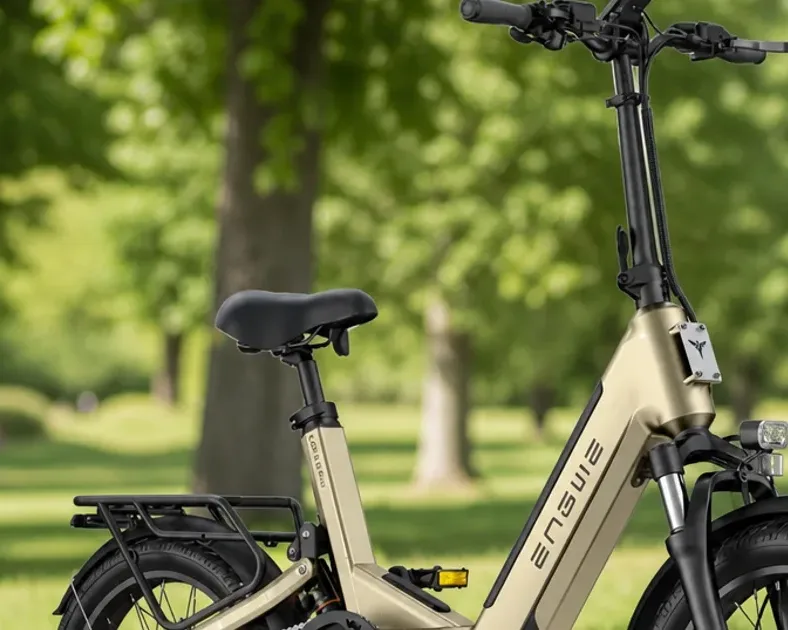
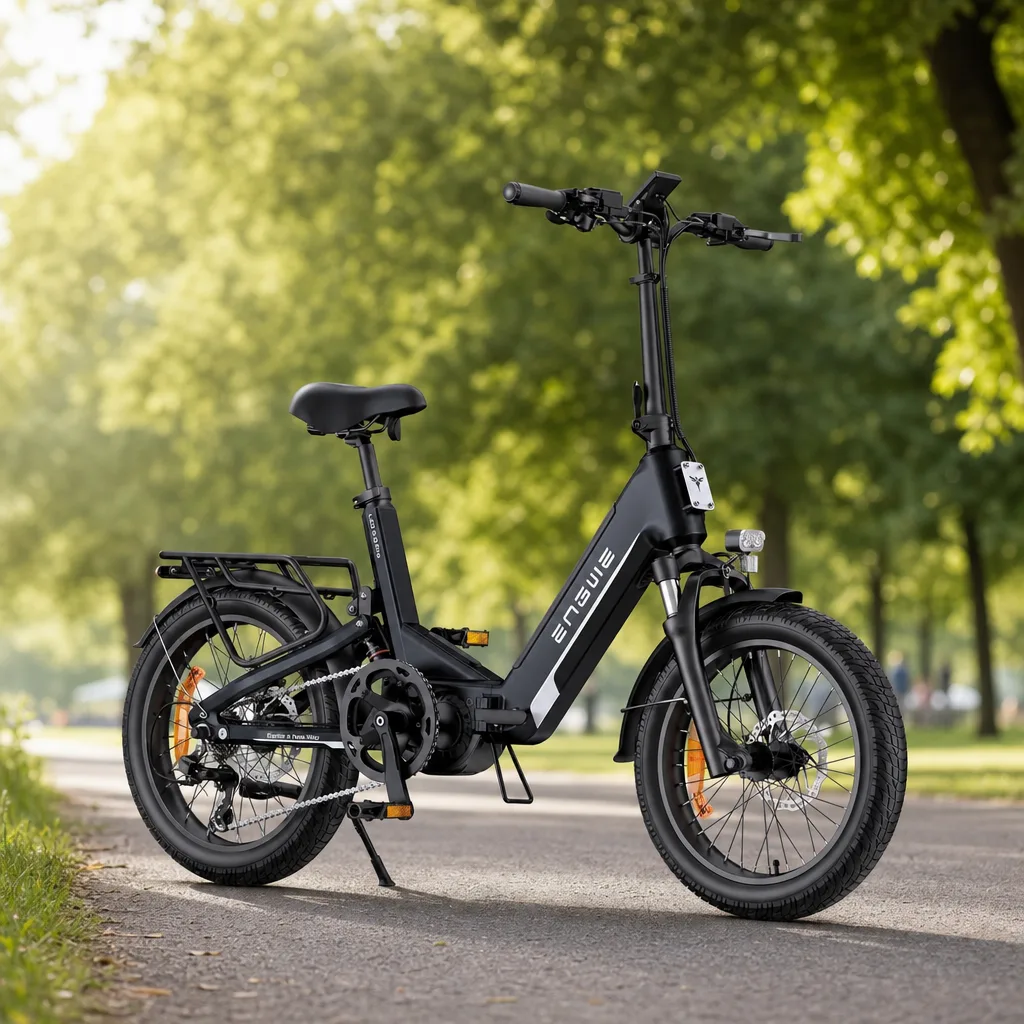
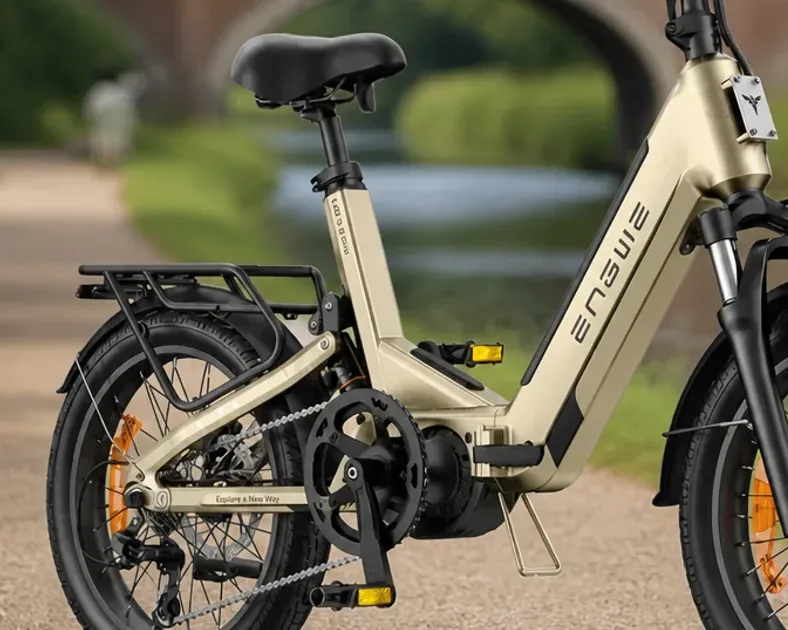
Engwe Engine Pro 3.0 Boost vs Engine Pro 2.0 vs Engine X
Three popular Engwe folding electric bikes go head to head. We break down motor power, battery range, comfort and price so you can pick the right one for UK commutes and leisure rides.

The line-up compared
| Model | Price | Motor | Range | Top speed | UK road status |
|---|---|---|---|---|---|
| Engwe Engine Pro 3.0 Boost Folding Electric Bike | £1,669.00 | 250W | 50 Miles | 15.5 Mph | Road legal |
| Engwe Engine Pro 2.0 Folding Electric Bike | £1,269.00 | 750W | 68 Miles | 15.5 Mph | Private land only |
| Engwe L20 3.0 Pro Foldable Electric Bike | £1,369.00 | 250W | 87 Miles | 15.5 Mph | Road legal |
| Engwe L20 3.0 Boost Folding Electric Bike | £1,019.00 | 250W | 53 Miles | 15.5 Mph | Road legal |
| Engwe EP-2 3.0 Boost Folding E-Bike | £1,069.00 | 250W | 74 Miles | 15.5 Mph | Road legal |
| Engwe EP-2 Boost Folding Fat Tire E-Bike | £869.00 | 250W | 75 Miles | 15.5 Mph | Road legal |
| Engwe L20 Boost Fat Tire Electric Bike | £1,069.00 | 250W | 78 Miles | 15.5 Mph | Road legal |
| Engwe Engine X Folding Electric Bike | £1,019.00 | 250W | 75 Miles | 15.5 Mph | Road legal |
Engwe has built a name for chunky, folding electric bikes that handle potholes and towpaths without costing a fortune. The full Engwe range includes several models that look similar at first glance, but each one suits a different rider.
In this guide we compare three popular options: the Engwe Engine Pro 3.0 Boost, the Engwe Engine Pro 2.0 and the Engwe Engine X. All three fold, all three are UK legal as electric bikes, and all three are available right now at Biktron. But the right choice depends on your commute, your budget and how much power you actually need.
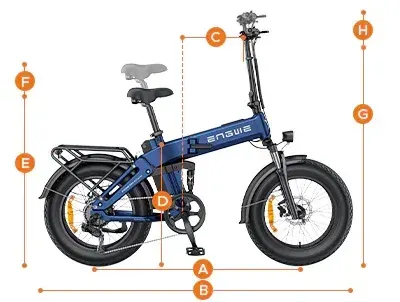
What the Three Bikes Have in Common
Before we dig into the differences, it helps to know what you get with any of these Engwe models. They share the same folding frame idea and the same basic UK road rules. That makes the choice less about legality and more about performance and comfort.
Same UK Legal Setup
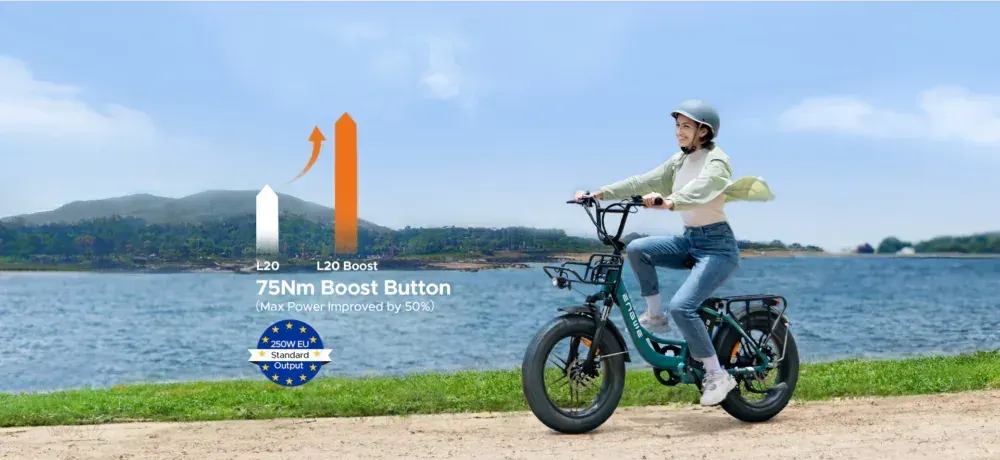
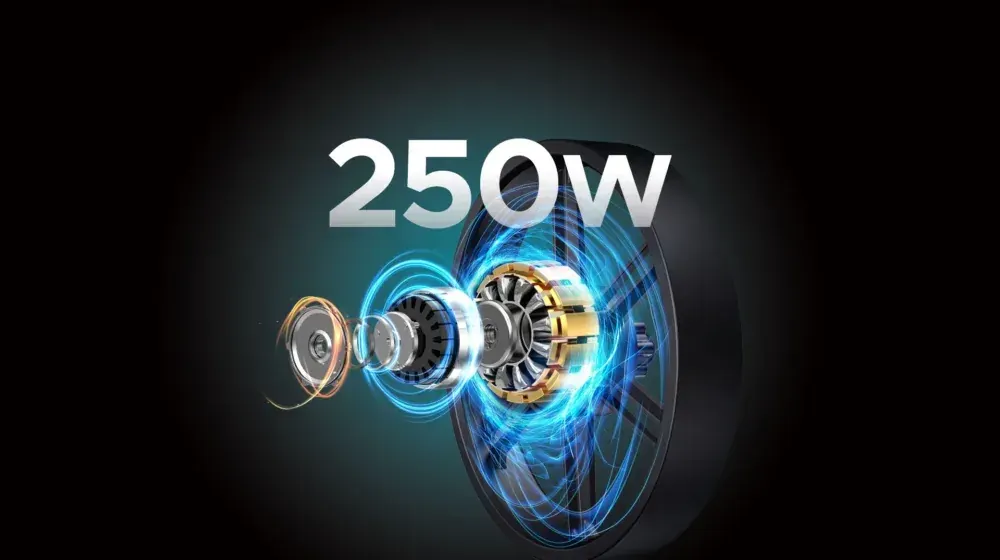
All three bikes are sold as EAPC compliant electric bikes. That means the motor is capped at 250 watts and the assistance cuts out at 15.5 mph. You can ride them on roads, cycle lanes and bridleways without a licence, tax or insurance, as long as you are 14 or over. The UK government e-bike rules set out exactly what counts as a legal pedelec.
Because the motor only helps while you pedal, you still get exercise. You also avoid the paperwork that comes with faster electric mopeds. That is one reason these bikes are so popular for everyday trips.
Folding Frames and Fat Tyres
All three bikes have a folding frame and wide tyres. The fold makes them easier to store in a flat, a car boot or under a desk. The fat tyres add grip on gravel and soften the ride on broken tarmac.
You may spot small differences in frame shape and handlebar height, but the overall idea is the same. A relaxed riding position and a sturdy feel, even when the road is rough. That shared DNA makes the comparison about the details, not the concept.

Engwe Engine Pro 3.0 Boost: The Newer Flagship
The Engwe Engine Pro 3.0 Boost is the newest of the three and the most expensive. At £1669, it is aimed at riders who want the most range and assist without buying a full-size mountain bike. Engwe pitches it as a folding electric mountain bike, so the extra money goes into hill-climbing ability and battery size.
The manufacturer claims a longer range and a more responsive motor than the older Engine Pro 2.0. The frame is slightly beefier, and the suspension is tuned for rougher tracks. If you regularly ride steep hills or want to do longer leisure rides on a Sunday, this is the one to look at first.
Who Should Buy It
Buy this bike if you have a longer commute, live in a hilly area, or plan to ride off-road at weekends. The bigger battery and stronger assist make hills feel less like hard work. You also get the latest design tweaks, which matter if you keep a bike for five years or more.
The trade-off is weight and price. It is the heaviest of the three, so carrying it up stairs is more effort. If you only ride two miles on flat ground, you may not notice the extra power.
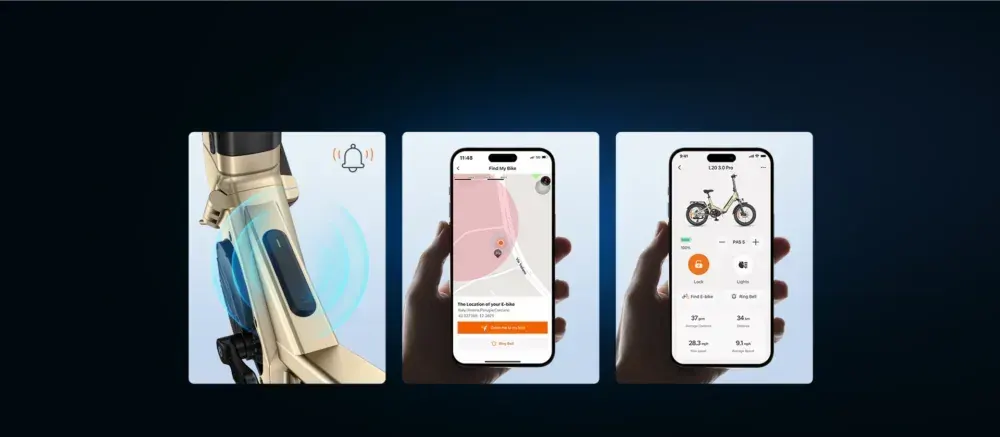
Engwe Engine Pro 2.0: The Proven All-Rounder
The Engwe Engine Pro 2.0 is the previous flagship and still a very capable bike. At £1269, it is about £400 cheaper than the 3.0 Boost. You lose a little battery range and perhaps some motor refinement, but for most UK riders the difference is hard to notice.
This model has been around long enough to prove itself. Buyers report that it handles daily commutes, shopping trips and canal towpaths without complaint. The folding mechanism is well sorted, and spare parts are easy to find.
Who Should Buy It
Choose the Engine Pro 2.0 if you want a strong all-rounder without paying flagship money. It suits a 10 to 20 mile round trip, with a few hills along the way. The £400 saving can go towards a good lock, a helmet and a spare battery later.
If you rarely ride more than 15 miles at a time, the older model will feel almost identical to the new one. The main reason to spend more is if you need the extra range or ride very steep hills every day.
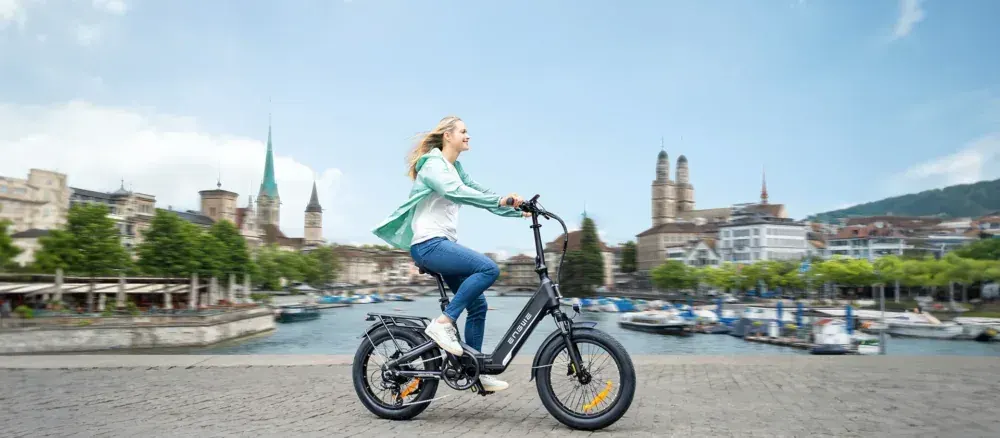
Engwe Engine X: The Value City Option
The Engwe Engine X is the most affordable of the three at £1019. Despite the lower price, it still offers a folding frame, fat tyres and a legal 250W motor. Engwe positions it as an electric city bike, so the focus is on comfort for short urban trips rather than off-road performance.
The battery is smaller than the Pro models, and the motor may feel less punchy on steep climbs. But for flat city streets, cycle paths and short errands, it is hard to beat at this price. You get the fun of an e-bike without spending over a grand.
Who Should Buy It
Pick the Engine X if your riding is mostly urban, under 10 miles a day, and relatively flat. It is also a good first e-bike if you are not sure how much you will use it. The lower price reduces the risk if it ends up in the shed more than you planned.
The main drawback is range. On a full charge you will get fewer miles than the Pro models, especially in cold weather or on hills. If your commute is longer than 12 miles each way, you might find yourself pedalling without assist on the way home.
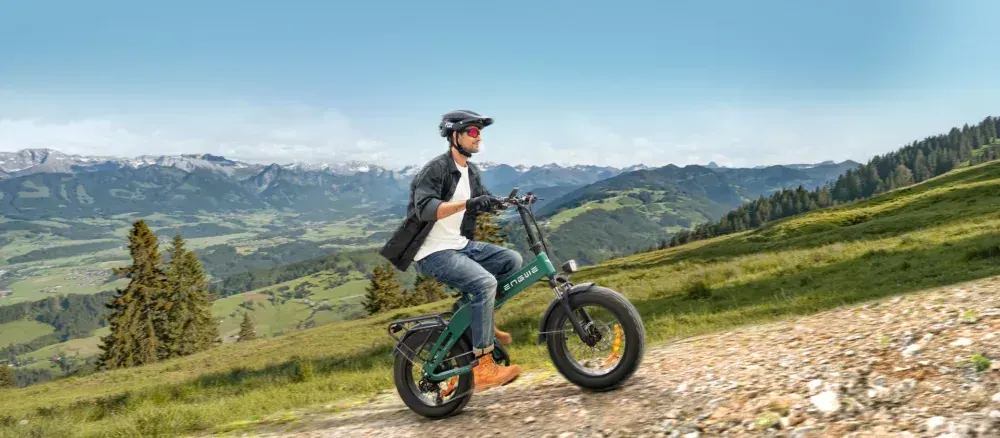
Side-by-Side: Key Differences That Matter
Now that you know each bike individually, let us put them next to each other. The biggest differences are motor power, battery size, gearing and weight. These affect how the bike feels on a hill and how far you can go before recharging.
Motor and Battery
The Engine Pro 3.0 Boost has the largest battery and the most responsive motor. Engwe quotes the longest range of the three, but real range on UK hills and in the cold is always lower. The Engine Pro 2.0 has a slightly smaller battery but is still adequate for most commutes. The Engine X has the smallest battery and the least powerful assist, so it is best kept to shorter trips.
None of these bikes will do the quoted maximum range in winter. Expect to lose 20 to 30 percent when the temperature drops below 10 degrees Celsius. That is normal for lithium batteries, not a fault with the bike.
Gears, Brakes and Comfort
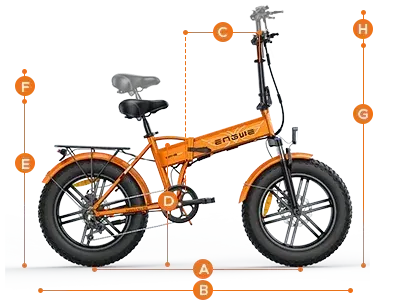
The Pro models come with more gears, which helps on hills and when you ride without assist. The Engine X has a simpler gear setup, but it is easier to maintain. All three have mechanical disc brakes, which are fine for a bike this weight. Hydraulic brakes would be nicer, but you would pay more for them.
Comfort is subjective, but the Pro 3.0 Boost has the most suspension travel, and the Engine X has the least. If you value a plush ride, the newer bike is worth the extra. If you stick to smooth tarmac, the Engine X is comfortable enough.
Real-World Range, Hills and UK Weather
Manufacturer range claims are useful for comparison, but they are measured on flat ground with a light rider in warm weather. Your actual range will depend on weight, hills, tyre pressure and the assist level you choose. The UK e-bike rules do not limit range, but they do affect how you use the motor.
On a typical UK commute with some gentle hills, you might expect the Engine Pro 3.0 Boost to cover 25 to 35 miles on a full charge. The Engine Pro 2.0 might do 20 to 30 miles, and the Engine X might manage 15 to 20 miles. These are rough estimates, not promises. Your own results will vary.
Cold Weather and Battery Care
Cold weather reduces range because the battery works less efficiently. To get the best from any e-bike battery, store it indoors, charge it at room temperature, and avoid leaving it fully charged for weeks at a time. The Sustrans website has good advice on riding all year round.
If you plan to ride through a UK winter, the bigger battery on the Pro models gives you more margin. The Engine X will still work, but you may need to charge it at work if your round trip is over 12 miles.
Which One Should You Buy?
For most UK riders, the Engwe Engine Pro 2.0 is the sweet spot. It costs £1269, has enough range for a typical commute, and is proven reliable. You get nearly all the performance of the newer bike for £400 less. Unless you regularly ride very steep hills or need maximum range, you will not miss the extra power.
If you ride longer distances, live in a hilly area, or simply want the latest model, the Engine Pro 3.0 Boost is worth the stretch. The bigger battery and stronger motor make a real difference on a 20 mile ride with 500 feet of climbing. At £1669, it is still cheaper than many full-size e-bikes with similar specs.
Choose the Engwe Engine X if your budget is tight and your rides are short and flat. At £1019, it is the cheapest way into a folding Engwe, and it will serve you well for popping to the shops or a short commute. Just accept that you will charge it more often.
No matter which one you choose, remember to budget for a good lock and a helmet. All three bikes are attractive to thieves, so a decent D-lock is essential. And because they are legal EAPC bikes, you do not need insurance, but you may want it for peace of mind. Check the Biktron guides for more advice on keeping your e-bike secure.
Use-Case Quick Reference
| Rider Profile | Best Choice | Why | Main Drawback |
|---|---|---|---|
| Short urban commute (under 10 miles) | Engine X | Lowest price, easy to store | Smaller battery, less hill assist |
| Medium commute (10-20 miles) with some hills | Engine Pro 2.0 | Good range-to-price balance | Heavier than Engine X |
| Long or hilly rides, weekend off-road | Engine Pro 3.0 Boost | Largest battery, strongest motor | Most expensive and heaviest |
Frequently Asked Questions
We have put the most common questions in the FAQ section below, but a quick note on servicing. All three bikes have standard components, so a local bike shop can handle brake pads, tyres and gear adjustments. The motor and battery are sealed units, so they need little attention beyond keeping connections clean and dry.
For more detail on specific models, you can browse the folding electric bikes category or read our other Engwe guides. The right bike is the one you will actually ride, so think about where you will keep it and how far you really go each week.
Frequently asked questions
Are all three bikes legal to ride in the UK without a licence?
Yes. All three are EAPC compliant, so the motor is capped at 250W and assistance stops at 15.5 mph. You must be 14 or over, and you do not need a licence, tax or insurance.
Which bike has the longest range on one charge?
The Engwe Engine Pro 3.0 Boost has the largest battery and the longest manufacturer-quoted range. In real UK conditions, expect 25-35 miles depending on hills, rider weight and temperature.
Can I ride these bikes on cycle paths and bridleways?
Yes, as EAPC electric bikes they are allowed anywhere a normal pedal cycle can go, including cycle lanes, bridleways and Sustrans routes. Avoid footpaths unless cycling is explicitly permitted.
Is the Engine X powerful enough for hills?
It can manage gentle slopes, but steep hills will require more effort from you. If your route has long or steep climbs, the Engine Pro 2.0 or 3.0 Boost is a better choice.
How long does the battery take to charge?
A full charge from empty takes roughly 4 to 6 hours for the Pro models and a little less for the Engine X. You can top up the battery at any time, and partial charges do not harm it.