What Does 250W, 750W & 1000W Mean on an Electric Bike?
Discover what motor wattage really means for your ride. From UK-legal 250W commuting to off-road 1000W adventures, we break down power, speed, and the law in plain English.

The line-up compared
| Model | Price | Motor | Range | Top speed | UK road status |
|---|---|---|---|---|---|
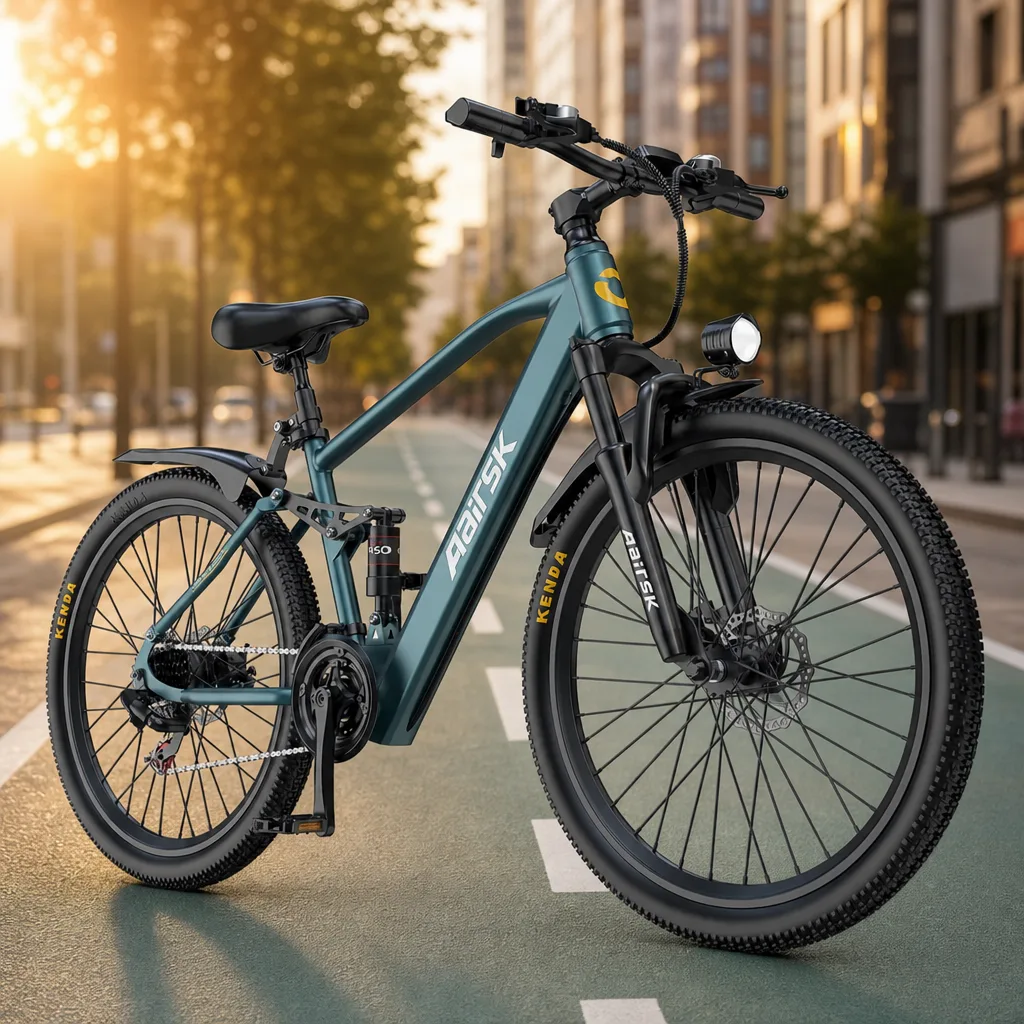
| AAIRSK Q7 Unisex Electric Bike | £499.00 | 250W | 47 Miles | 15.5 Mph | Road legal |
| Samebike RS-A02 Pro Fat Tire Off Road Ebike | £749.00 | 250W | 34 Miles | 15.5 Mph | Road legal |
| Samebike SY26-II Mountain Electric Bike | £549.00 | 250W | 56 Miles | 15.5 Mph | Road legal |
| SAMEBIKE RS-A01 Pro Electric Bike | £589.00 | 250W | 56 Miles | 15.5 Mph | Road legal |
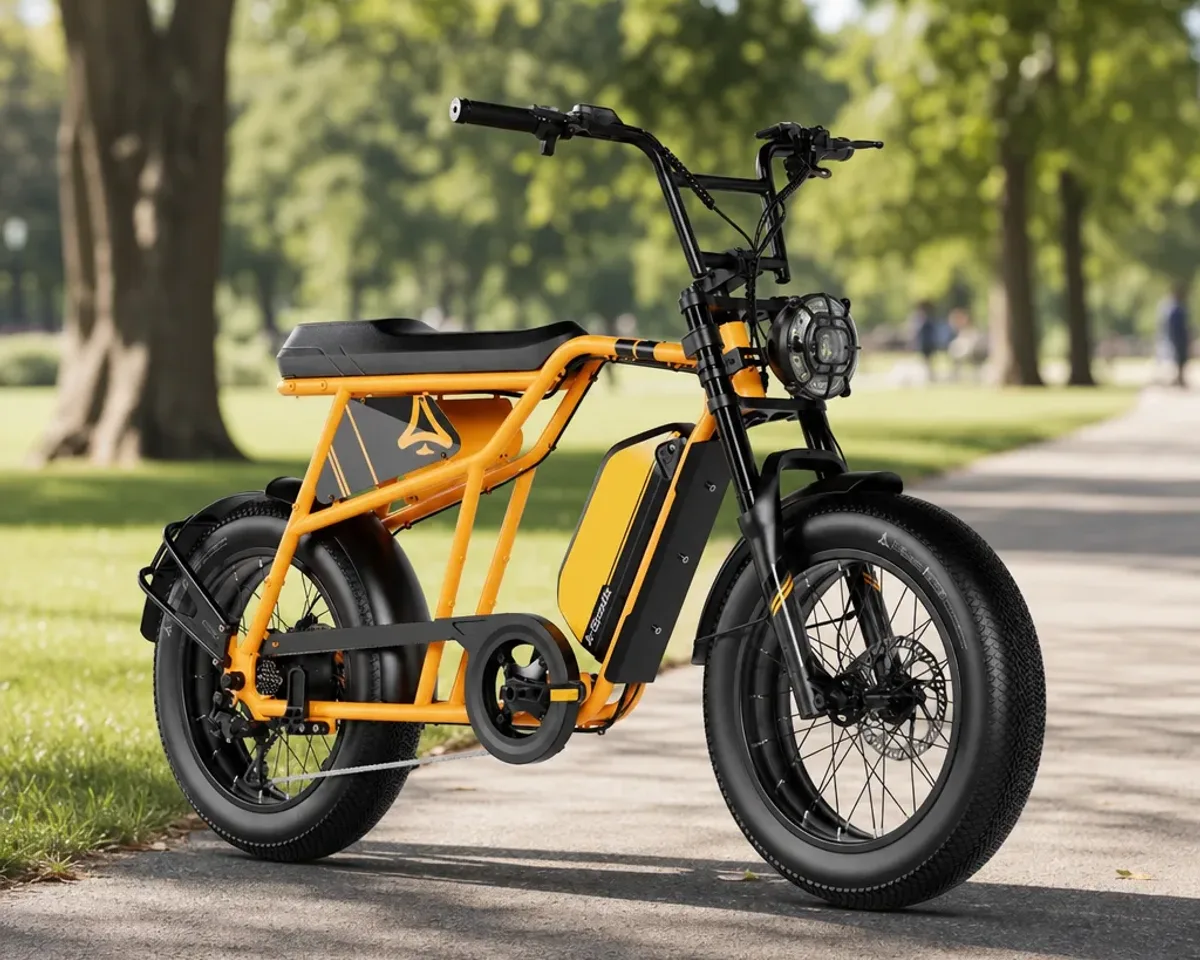
| SAMEBIKE LO26-II-FT-YD Folding Electric Bike | £689.00 | 900W | N/A | 21.8 Mph | Private land only |
| AAIRSK XT90 Electric Mountain Bike | £699.00 | 750W | 50 Miles | 28.0 Mph | Private land only |
When you start shopping for an electric bike, one of the first numbers you see is the motor wattage. 250W, 750W, 1000W – it sounds important, but what does it actually mean? You might wonder, “Does more watts make me go faster?” or “Can I even ride a 1000W bike in the UK?” These are the right questions. The wattage rating tells you how much oomph the motor can give you. But it is not the whole story. It affects hill climbing, acceleration, and even where you can legally ride.
In this guide, we take the mystery out of motor power. You will learn the real difference between 250W, 750W, and 1000W e-bikes. We explain UK law in simple terms. And we help you choose the best Biktron bike for your everyday needs. No jargon, just honest advice from a UK shop.
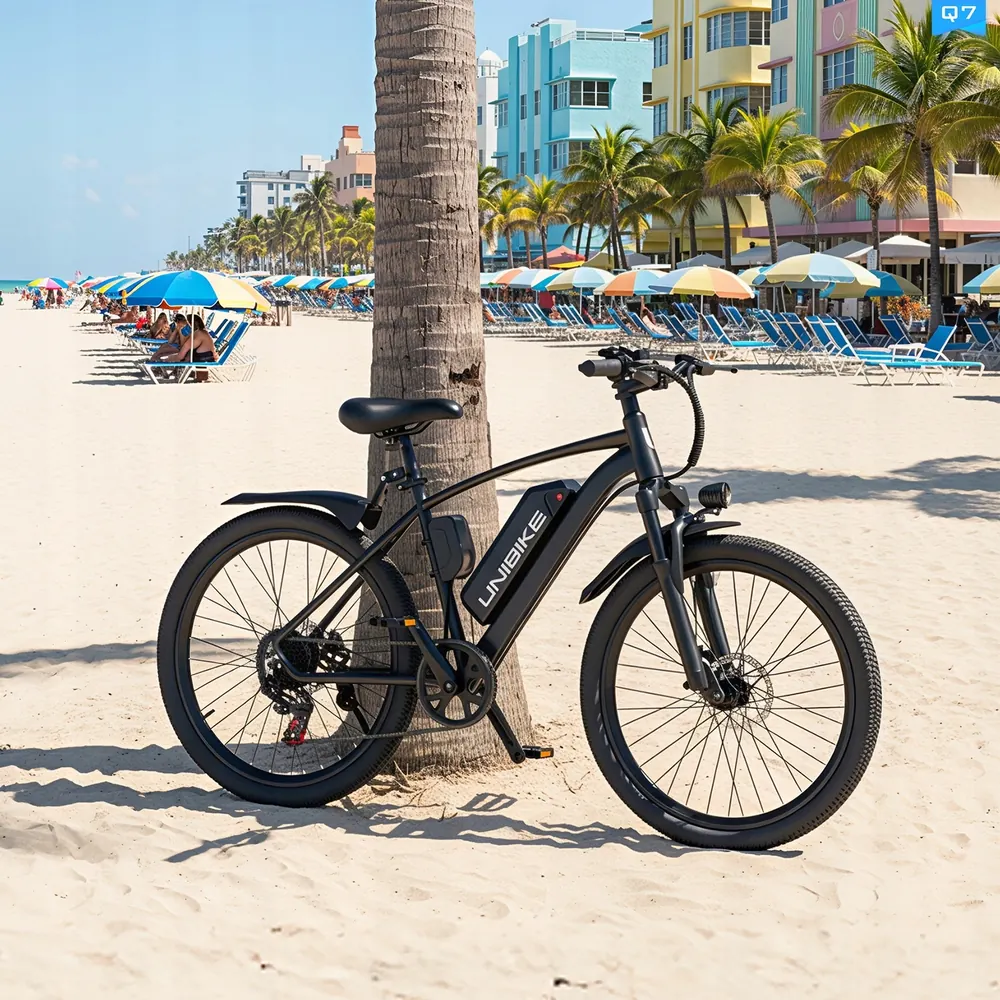
What Does Motor Wattage Mean on an E-bike?
Wattage is a measure of electrical power. In electric bikes, it tells you the maximum output the motor can deliver continuously. A 250W motor can produce 250 watts of power for a long time without overheating. This is called the “nominal” or “rated” power. A higher wattage motor can push harder. That helps you tackle steep hills or carry heavy loads. But it also draws more battery power, so range often drops.
Nominal Power vs Peak Power
E-bike motors have two power numbers that matter. Nominal power is what the motor can sustain for a typical ride. Peak power is a short burst that lasts only a few seconds. Some 250W motors can peak at 400W to help you start from a traffic light. A 1000W motor might peak at over 1500W. For everyday riding, the nominal figure is what counts because it sets the legal class and how the bike behaves on long climbs.
Why Wattage Is Not the Same as Speed
Many people think more watts means a faster bike. That is only partly true. In the UK, all legal e-bikes stop assisting at 15.5 mph, regardless of motor size. So a 1000W motor would also cut out at that speed on public roads. Off-road, however, higher wattage lets you climb faster and accelerate more briskly. But top speed on the flat is limited by gearing and battery voltage, not just watts. If you want a nippy city bike, a 250W motor matched to a good gear system can feel surprisingly quick. Check our City Bikes collection to see what we mean.
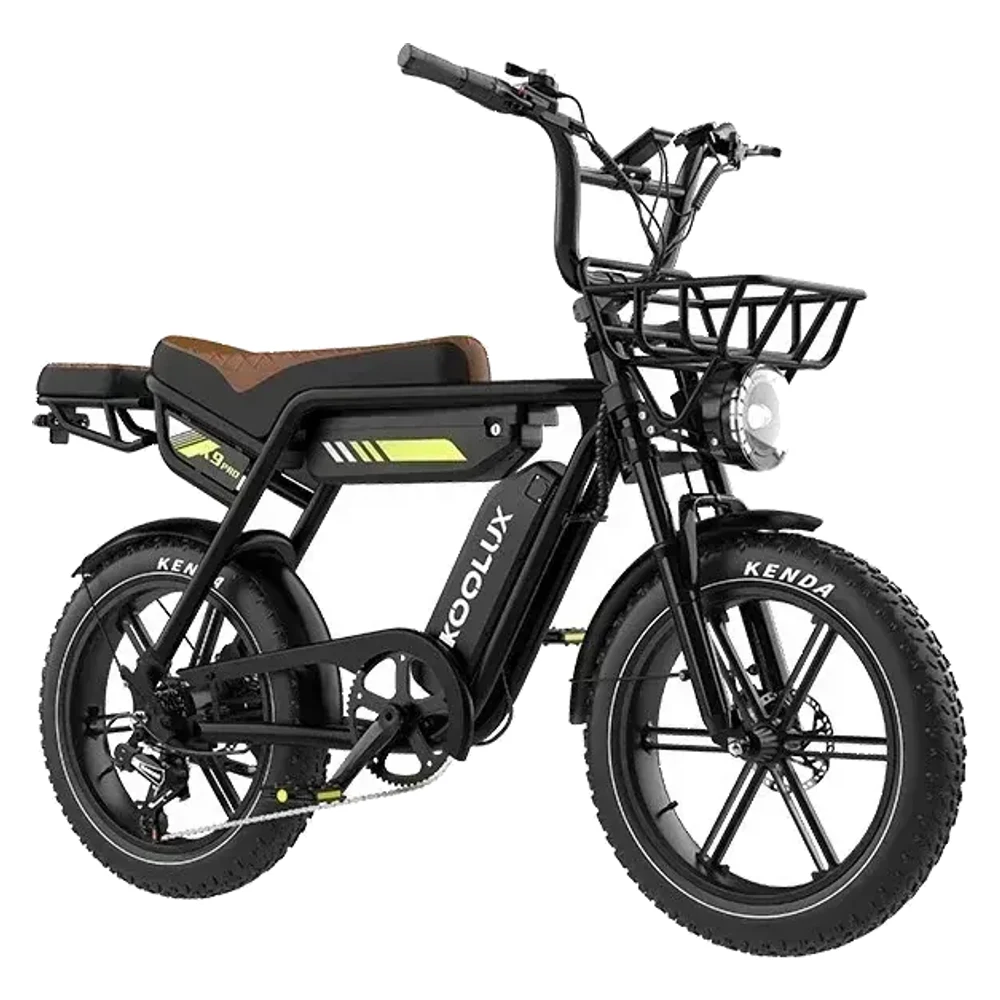
250W Electric Bikes: Legal, Light, and Built for Everyday UK Riding
A 250W e-bike is the standard for UK roads. Under the Electrically Assisted Pedal Cycle (EAPC) rules, you can ride one without a licence, tax, or insurance. You must be at least 14 years old. And the motor must not push you over 15.5 mph. That is why most e-bikes sold for commuting and leisure use 250W continuous motors. They give you a comfortable boost without breaking any laws.
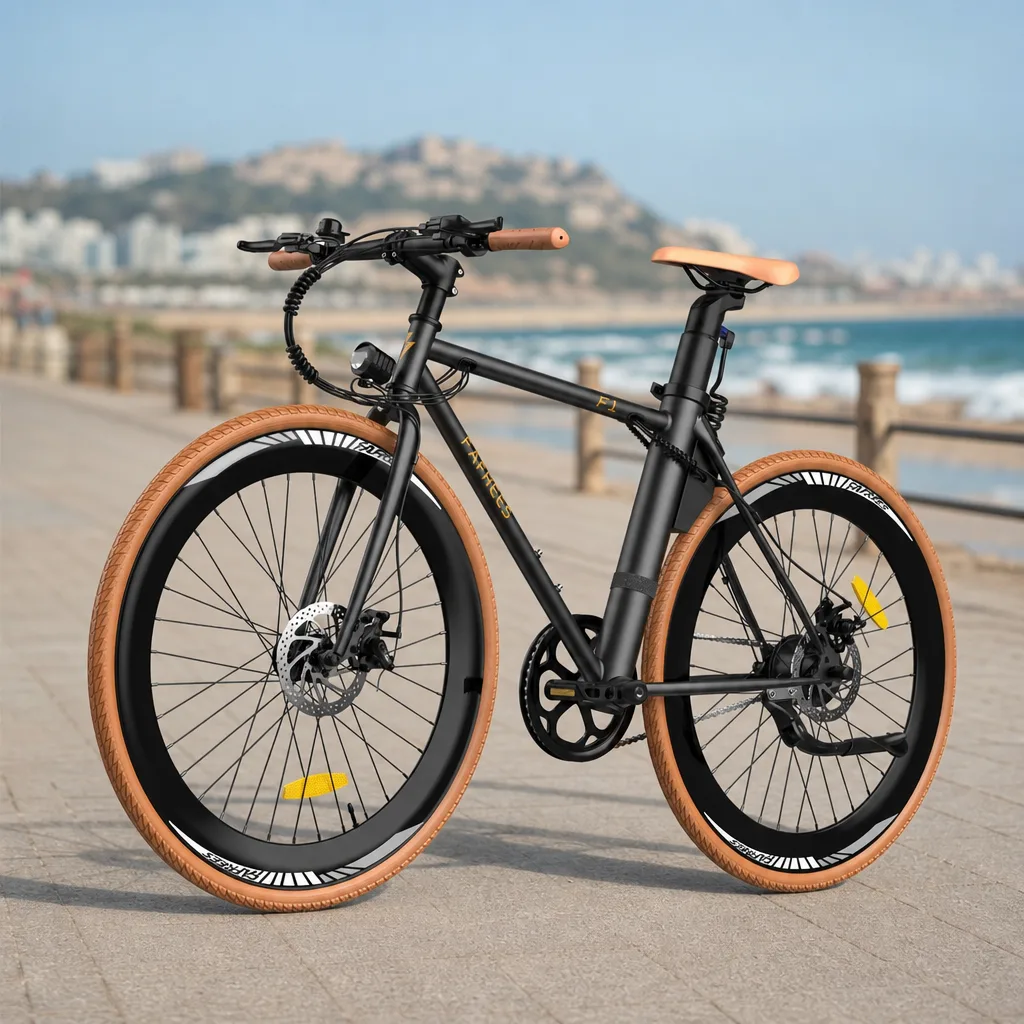
These bikes are also lighter and often cheaper. The motor and battery can be compact, which makes the bike easier to handle and store. A 250W motor handles moderate hills without trouble. If you live in a city like London or Manchester, it can flatten the daily grind. You arrive at work fresh, not sweaty. For a great example, see the AAIRSK SU7 City Electric Bike – a nimble commuter with smooth power delivery.
Range and Battery Life with 250W
Smaller motors sip electricity. So a 250W bike often goes further on the same battery size than a 750W machine. You can expect 30–50 miles of real-world assistance, depending on terrain and pedal effort. That covers most weekly commutes or weekend rides. If range matters to you, a 250W model is the smart pick.
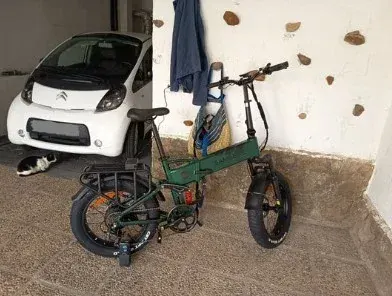
750W Electric Bikes: When You Need More Power and Speed
A 750W motor is a big step up. It produces three times the continuous power of a 250W unit. That means it can climb steeper slopes, carry heavier riders, or tow a trailer with ease. But here is the catch: in the UK, a 750W e-bike is not road-legal as an EAPC. It cannot be ridden on public highways, cycle lanes, or pavements unless it is registered as a moped or motorcycle. You would need a licence, insurance, and a helmet. Most people use 750W bikes on private land or off-road trails where the law is more relaxed.
On a 750W bike, the acceleration feels brisker. The motor can maintain a higher speed off-road – often 20–25 mph or more – depending on the controller. For mountain biking or farm use, this extra grunt is a game-changer. If you enjoy tackling technical singletrack or need reliable transport on hilly private land, a 750W model might be right for you. Just be sure to understand where you can ride it legally. We’ll cover that in a moment.
Hill Climbing Prowess of 750W
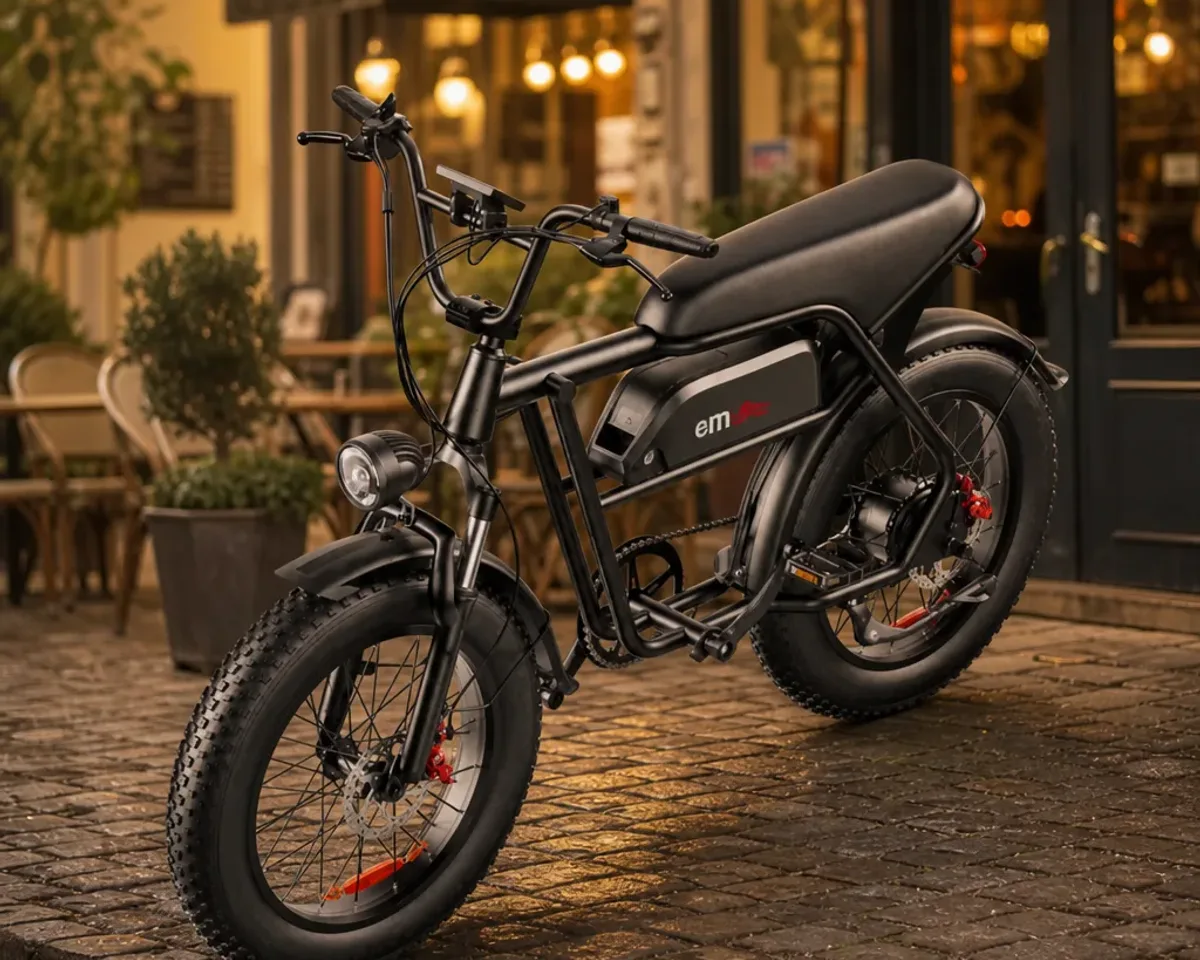
Imagine a long, steep climb like the one up Box Hill in Surrey. A 250W bike can do it, but you will be working hard in a low gear. A 750W motor will power up effortlessly, even with minimal pedalling. That extra torque (the force that pushes you forward) makes off-road adventures more fun and less exhausting. If you want a bike that laughs at hills, look at our all-terrain options, like the EMOKO C93 All-Terrain Electric Bike.
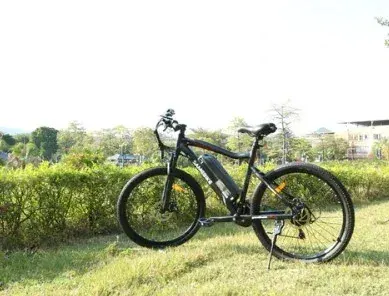
1000W Electric Bikes: Maximum Performance for Enthusiasts
At 1000W, you are in high-performance territory. These motors can rocket you up the steepest inclines and handle very heavy loads. They are popular with delivery riders, farmers, and serious off-road enthusiasts. But again, they are not street-legal in the UK without full type approval, registration, and a driving licence. Riding an unregistered 1000W e-bike on a public road could lead to fines and penalty points.
Despite the legal restrictions, some riders choose 1000W bikes for private land use. They offer thrilling acceleration and the ability to ride in deep mud or soft sand. The motor is often larger and noisier, and the battery drains fast. You need a high-capacity battery to get any decent range. If pure power is your priority, and you have a legal place to ride, then a 1000W bike like the ENGWE ENGINE Pro 3.0 Boost Electric Mountain Bike might appeal. However, always check that your intended use is legal and safe.
Is 1000W Overkill for Most Riders?
For typical UK riders, the answer is yes. Unless you need extreme torque for hauling trailers on a farm or crave off-road speed, a 250W or 750W bike does the job. The extra weight and cost of a 1000W system often outweigh the benefits. Before you buy, think about where you will really ride. The vast majority of e-bike trips are on roads or shared paths, where a legal 250W motor is king.
UK Law and Electric Bike Motor Power Explained
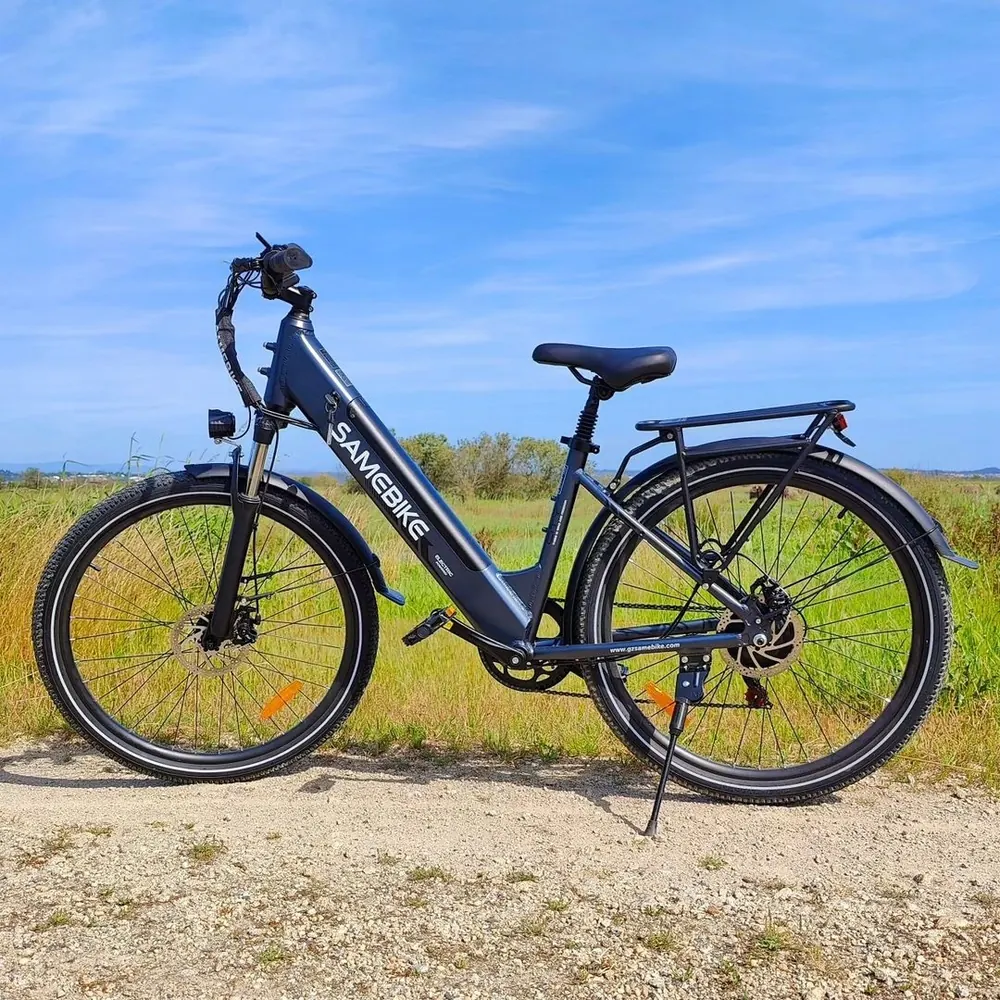
Let’s get the legal bit crystal clear. In the UK, an EAPC must have a motor that does not exceed 250W continuous rated power. It cannot provide assistance above 15.5 mph. The bike must have pedals that can propel it. You do not need a licence, registration, or insurance. You can ride on cycle paths and roads, but not on pavements. The rules are set out by the UK Pedal Cycles (Safety) Regulations.
Any e-bike with a motor above 250W is classed as a motorcycle or moped. That means you must comply with motor vehicle laws. You need a valid driving licence, insurance, a number plate, and you must wear an approved helmet. The bike must be type-approved. If you are caught riding an overpowered e-bike on the road without meeting those requirements, you could be prosecuted. So stick to 250W for road riding unless you go through the full legal process. For off-road riding on private land, these rules do not apply, but you must have the landowner’s permission. Our guide AAIRSK GT900 Review shows how a legal 250W mountain bike can still be a ton of fun.
What About Throttles?
EAPC rules allow a throttle that assists up to 3.7 mph without pedalling. That is a “walk-assist” mode. Twist-and-go throttles that power you to 15.5 mph are only legal if the bike was type-approved before 2016. Most modern e-bikes require you to pedal for the motor to kick in. This is why you see pedalling sensors on nearly all UK models. If you want a bike that gives you full control within the law, browse our Mountain Bikes range; many come with torque sensors that respond instantly to your effort.
Hill Climbing and Load Capacity: How Watts Change Your Ride
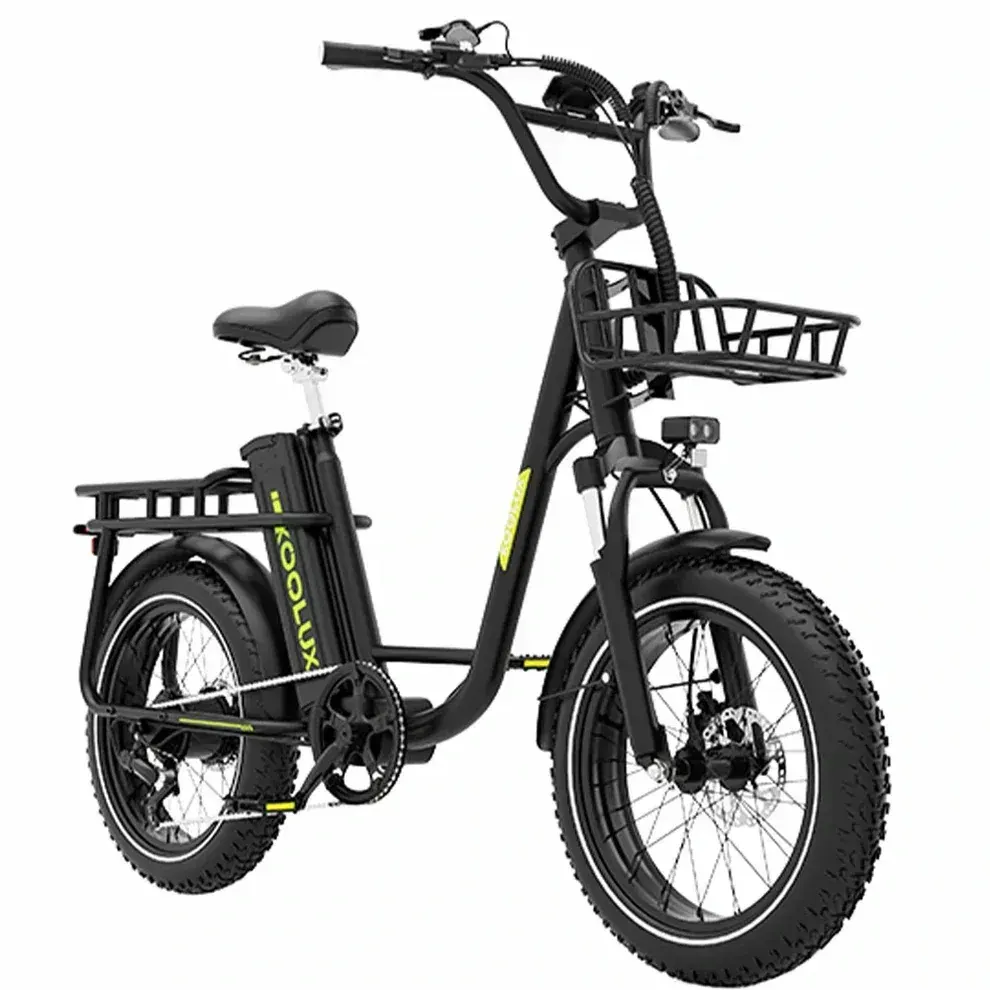
Watts directly affect torque. More watts generally mean more Newton-metres (Nm) of torque. Torque is what pushes you up a hill or gets you moving with a heavy load. A typical 250W motor delivers around 40–60Nm of torque. That is enough for most urban hills, especially with sensible gearing. A 750W motor often gives 80–100Nm. That turns a steep gradient into a gentle slope. A 1000W motor can exceed 120Nm, which is serious pulling power.
If you weigh over 100kg, carry a child seat, or haul shopping bags, a 250W motor might struggle on the steepest hills. You would need to pedal harder. A more powerful motor takes the strain. But remember, power comes at a legal cost. For a road-legal cargo bike, you are still limited to 250W continuous, though many cargo-specific motors are high-torque even at 250W. Check the torque figure when browsing bikes. Our Cargo Bikes are designed to carry loads efficiently within the legal limit.
Battery and Range: The Other Side of the Watt Equation
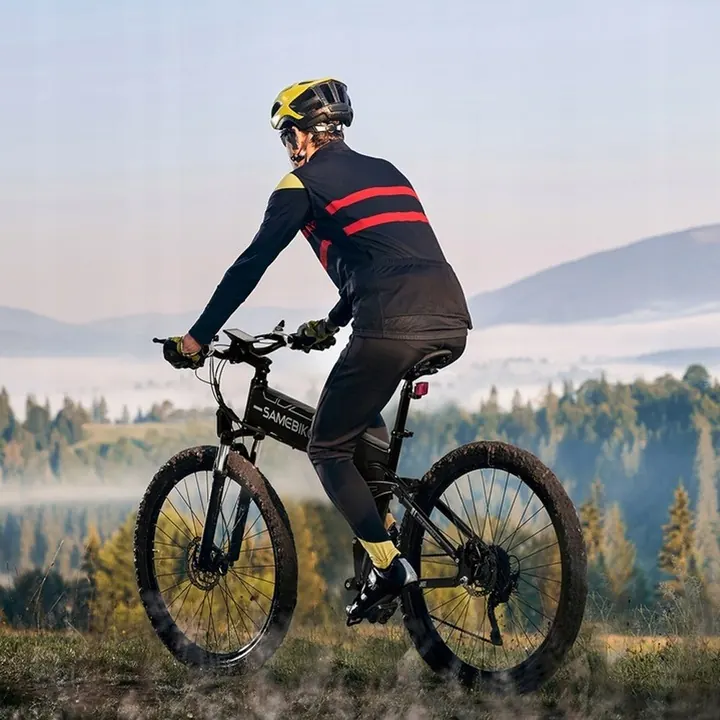
A bigger motor drinks more juice. If you upgrade from a 250W to a 750W system, you will likely need a larger battery to keep the range similar. A typical 250W bike might come with a 400Wh battery and go 40 miles. A 750W bike might need a 600Wh battery to cover the same distance. That adds weight and cost. Some 1000W bikes use huge 1000Wh+ batteries, which can make the bike very heavy.
Battery voltage also matters. A 36V system is common on 250W bikes. A 48V system is often used for 750W and above. Higher voltage improves efficiency and can make the motor feel peppier. When comparing models, look at both watt-hours (Wh) and motor wattage. A high-capacity battery on a low-watt motor can give enormous range. For example, the AAIRSK GT900 Mountain Electric Bike pairs a legal 250W motor with a large battery, so you can ride for miles off-road without anxiety.
Choosing the Right Motor Wattage for Your UK Lifestyle
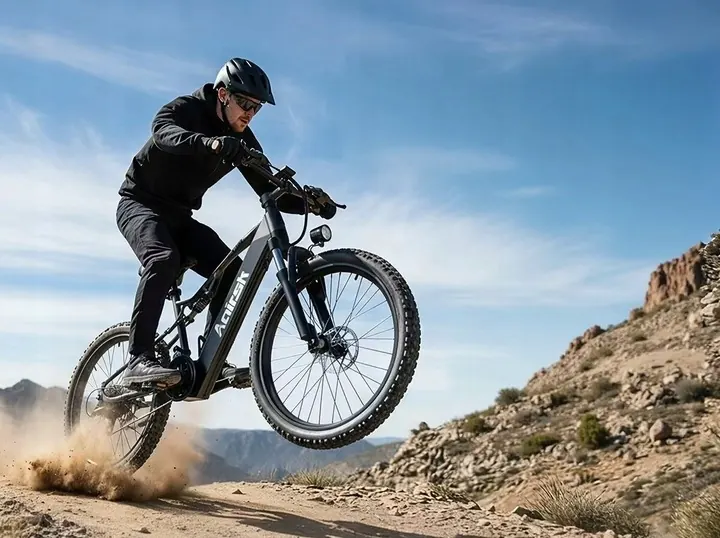
So which one should you buy? If 90% of your riding is on roads, cycle paths, or bridleways, pick a 250W e-bike. It is legal, light, and economical. You can find excellent commuting and leisure options in our All Bikes section. If you ride only on private land and need serious hill-climbing power, consider a 750W or 1000W model. But be realistic: many off-road trails are also bridleways or public paths where a 250W bike is the legal limit.
Here are two quick checklists to help you decide:
- Choose 250W if you: ride on public roads, want to avoid licence hassles, need good battery range, travel light, and value simplicity.
- Choose 750W or 1000W if you: only ride private land, need to tow heavy loads, enjoy high-speed off-road fun, and are prepared for motorcycle regulations.
Still unsure? Talk to us. As UK e-bike specialists, Biktron helps riders like you find the perfect match every day. We stock legal 250W bikes alongside higher-wattage options for off-road use. Our honest advice is always free.
Common Myths About E-bike Motor Power
Let’s bust a few myths. First, “more watts means more speed” – as we said, UK law caps assisted speed at 15.5 mph. A 1000W bike is no faster on the road than a 250W one. Second, “you need a licence for all e-bikes” – not true for 250W EAPCs. Third, “250W motors are weak” – a modern 250W motor with high torque can handle almost anything the average rider throws at it. Fourth, “a 750W bike is illegal everywhere” – it is legal on private land and, if registered, on roads. Finally, “any e-bike can be tuned to go faster” – modifying your bike to exceed 15.5 mph on public roads is illegal and dangerous.
When you choose a Biktron bike, you get a machine that respects UK laws and your safety. We also provide real-world reviews like our AAIRSK GT300 vs GT900 guide to help you compare models fairly.
Why Buy Your Electric Bike from Biktron?
We are not just a shop. We rely on the manufacturer’s published specifications and UK warranty details for every bike we sell. Our range covers city, folding, mountain, and cargo e-bikes. We focus on value for money without cutting corners. Every Biktron bike comes with a UK warranty and expert support. Whether you pick a nippy DYU A5 Folding City Electric Bike or a rugged off-road beast, you get the same commitment to quality.
We know the UK e-bike laws inside out. Our buying guides, like this one, are written to help you make a confident, informed choice. We never push you into an oversized motor just for a sale. And if something goes wrong, our friendly team is here to sort it. Check out our guides hub for more honest advice. Ready to find your perfect ride? Browse the full electric bike collection now.
Frequently asked questions
Is a 750W electric bike legal in the UK?
Not as a standard pedal cycle. A 750W e-bike is classed as a moped or motorcycle if ridden on public roads. You would need a driving licence, insurance, tax, and type approval. They can be used on private land without these requirements.
Do I need a licence for a 250W e-bike?
No. A 250W e-bike that meets EAPC rules (pedal assist, 15.5mph cut-off) does not require a licence, registration, or insurance. You only need to be 14 or older.
What is the difference between nominal and peak power?
Nominal power is the continuous output a motor can sustain without overheating. Peak power is a short-term burst, often higher, used for quick acceleration or steep inclines. UK law refers to continuous rated power.
Can I ride a 1000W e-bike on UK roads?
Only if it is registered as a motor vehicle, insured, and you hold a valid licence. Unregistered 1000W e-bikes are illegal on public roads and cycle lanes.
How much does a good 250W e-bike cost?
At Biktron, quality 250W e-bikes start from around £599. The price varies with battery size, features, and build. A reliable commuter like the AAIRSK SU7 offers excellent value without breaking the bank.