AAIRSK GT300 vs GT900, Which AAIRSK Electric Bike Should You Buy?
Wondering whether the AAIRSK GT300 or GT900 suits your needs? We break down the real differences, from motor power to battery life, so you can make a confident choice. Spoiler: the GT300 is hard to find, but the GT900 is a stellar all-rounder.

You are probably here because you have seen the AAIRSK GT300 and GT900 and want to know which one deserves a space in your shed. It is a fair question. Both names pop up when you search for affordable electric mountain bikes. But there is a twist: the GT300 is no longer sold new in the UK, while the GT900 is very much alive and in stock at Biktron.
This guide is not about hyping up a product you cannot buy. Instead, we will talk honestly about what the GT300 used to offer and why the AAIRSK GT900 Mountain Electric Bike is the smarter upgrade. We will dig into motor performance, battery range, comfort and legal compliance so you can pedal away with confidence.
Understanding the AAIRSK E-Bike Range
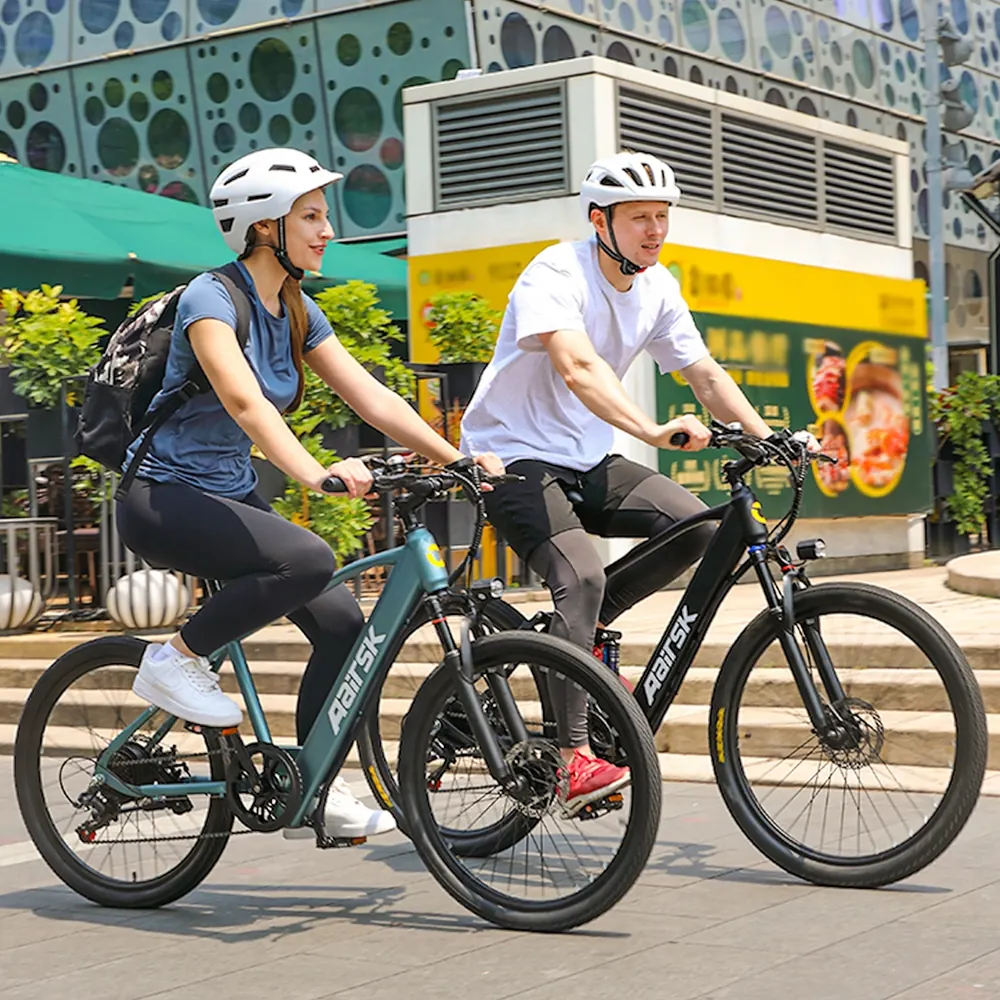
The AAIRSK brand focuses on tough electric mountain bikes that do not break the bank. They are built for riders who want a bit of off-road fun and a dependable commuter. The GT300 was the entry-level model. It came with a modest battery and basic suspension. It was a solid starter bike but is now discontinued.
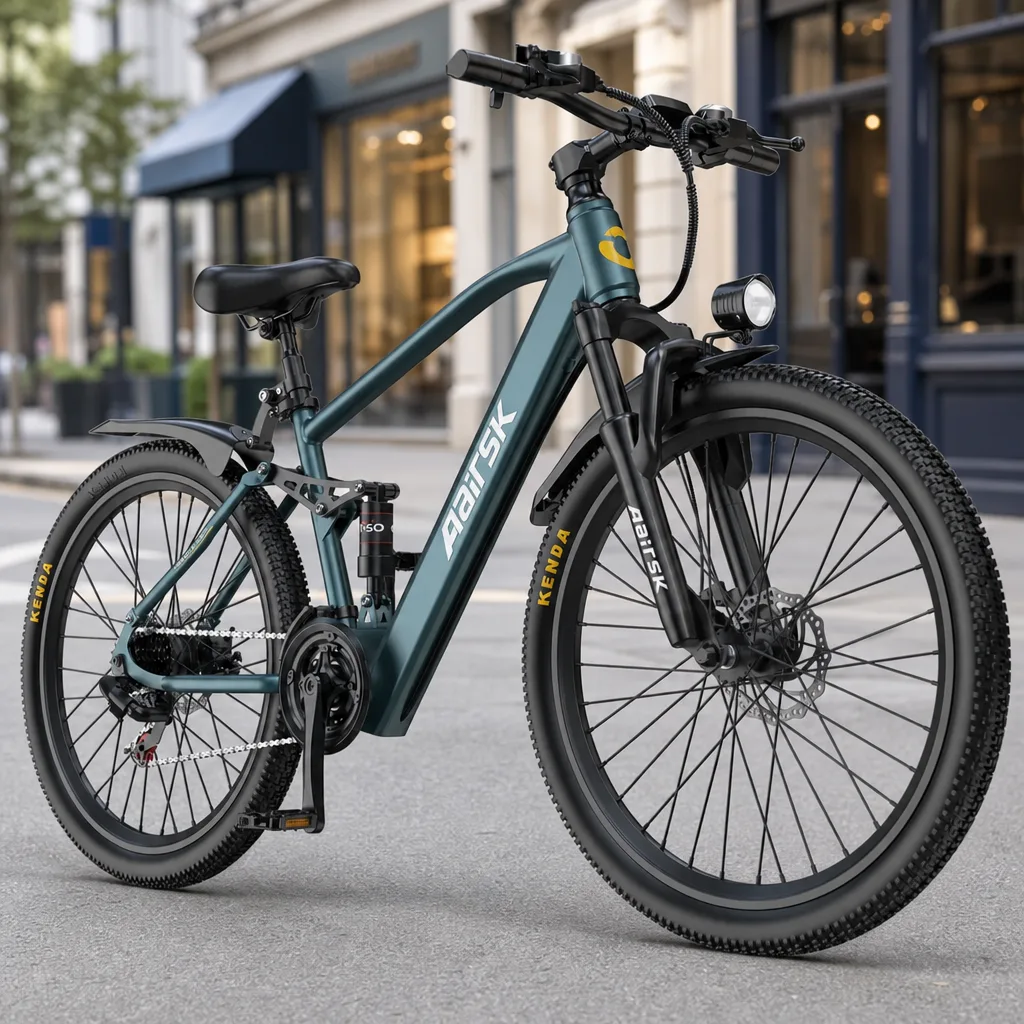
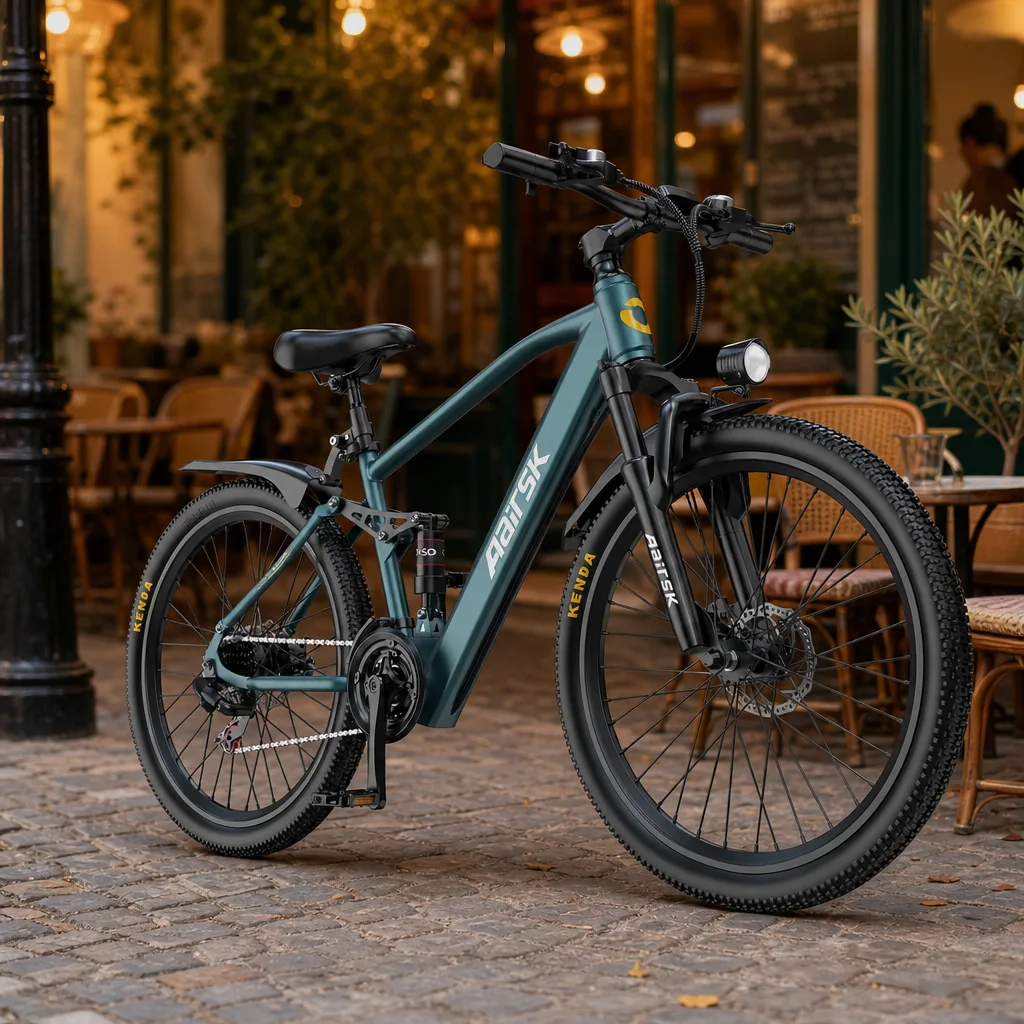
The GT900 replaced it. It keeps the rugged frame and fat tyres but adds more power, a bigger battery and better components. Think of it as the GT300 with a proper upgrade. If you see a second-hand GT300 for sale, it might still be a decent buy. But for a worry-free, warranty-backed ride, the GT900 is the clear choice from our range.
Where the GT300 Fits (or Used To)
The GT300 was aimed at newcomers to e-bikes. It had a 250W motor and a 10Ah battery. That gave around 25 to 35 miles of real-world range. The suspension was basic coil spring. The brakes were mechanical discs. It was fine for gentle trails and city commutes.
Now, finding a new GT300 is almost impossible. AAIRSK shifted production to the GT900, which addressed many shortcomings. So, while the GT300 had its place, the market moved on. Today, the GT900 is the model to consider if you want a new AAIRSK mountain e-bike.
Why the GT900 Exists Today
The GT900 was designed to offer more of everything. A larger battery, hydraulic brakes and improved motor response. It still fits within UK e-bike law but gives a far punchier ride. You also get a more comfortable saddle and a clearer LCD display.
At Biktron, we stock the GT900 because it hits the sweet spot between price and performance. It is not a niche bike. It works for daily commutes, weekend trail rides and everything in between. That versatility is why the GT300 faded away.
Motor and Power: What Sets the GT900 Apart
Both bikes are legally capped at 250W of continuous rated power and assistance up to 15.5 mph. That is the rule for any electrically assisted pedal cycle in the UK. But the way power is delivered feels different. The GT300 had a basic cadence sensor. Pedal input felt slightly delayed.
The GT900 uses a more responsive torque sensor system. It senses how hard you push the pedals and applies power smoothly. This makes the bike feel more natural and gives you better control on loose surfaces. The motor is still a rear hub drive, but the software tuning makes a noticeable difference on steep hills.
Real-World Hill Climbing
On a moderate 10% gradient, the GT300 could struggle if you were not in a low gear. The GT900 manages the same climb with less effort from you. The instant torque helps you keep momentum without spinning out. That is a big win for anyone in hilly areas.
Remember, the motor is only part of the story. Gearing matters. The GT900 comes with a 7-speed Shimano drivetrain. That gives you the right ratio to pair with motor assistance. You can crawl up steep bridleways without exhausting yourself.
Battery Life and Range
Battery range is where the GT900 really pulls ahead. The GT300 shipped with a 10Ah battery. In real-world mixed riding, that usually meant 25 to 35 miles. The GT900 packs a 13Ah unit. That can stretch to 40 to 50 miles on a single charge if you use a low assistance level.
Of course, range depends on your weight, tyre pressure, road surface and how much you pedal. But the extra ampere-hours give a meaningful buffer. You can ride to work and back without range anxiety, or enjoy a longer weekend loop.
- GT300: 10Ah, roughly 25–35 miles.
- GT900: 13Ah, roughly 40–50 miles.
- Both batteries are removable for easy indoor charging.
Charging and Battery Care
Both bikes use a standard 42V charger. A full charge from empty takes around 5 to 6 hours. The GT900 battery slides out with a key lock. You can top up at your desk or in a garage. Keeping the battery between 20% and 80% for day-to-day use helps prolong its life.
The GT300 battery was also removable, but spares are now hard to source. With the GT900, replacement batteries are still available. That is a practical point if you plan to keep the bike for many years.
Comfort and Ride Quality
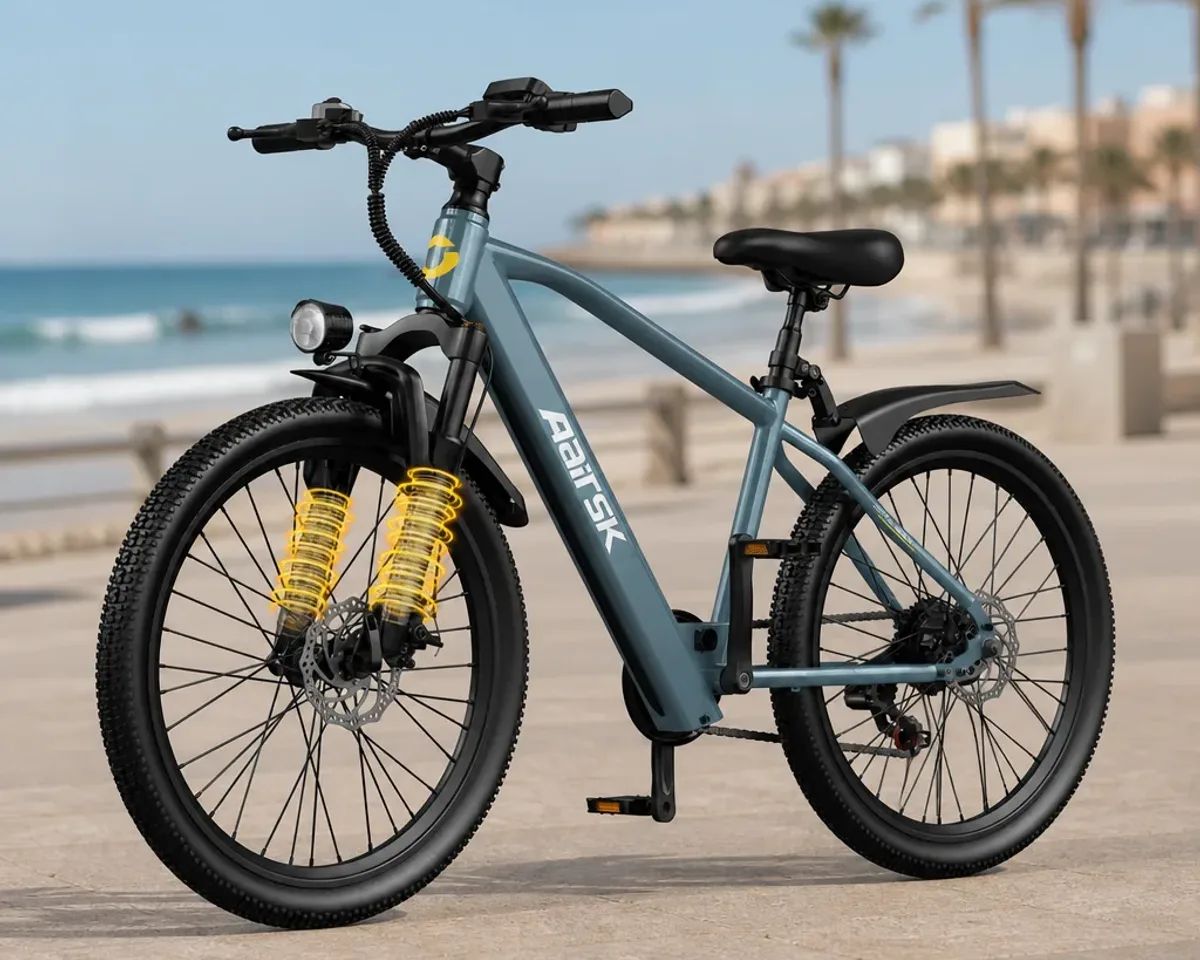
Mountain bikes should feel planted yet forgiving. The GT300 did an okay job with its basic front suspension. The GT900 steps up with an adjustable fork with lockout. You can soften it for bumpy trails or lock it for smooth roads. That versatility is handy for commuting.
The saddle is wider and better padded on the GT900. You also get lock-on grips that do not twist under pressure. The fat 4-inch tyres on both models absorb small bumps naturally. Run them at 15 to 20 PSI and they float over gravel and roots.
Frame and Sizing
Both bikes share a similar 6061 aluminium alloy frame. The geometry is relaxed rather than racey. You sit upright, which takes pressure off your wrists. The GT900 comes in one frame size that fits most riders from about 5’6″ to 6’2″. The GT300 had the same fit range.
Weight is a factor. The GT900 weighs roughly 26 kg. That is typical for an electric fat bike. The GT300 was slightly lighter at 24 kg. But the extra weight on the GT900 comes from the bigger battery and sturdier components, which translates to better reliability.
Practical Features for Daily Use
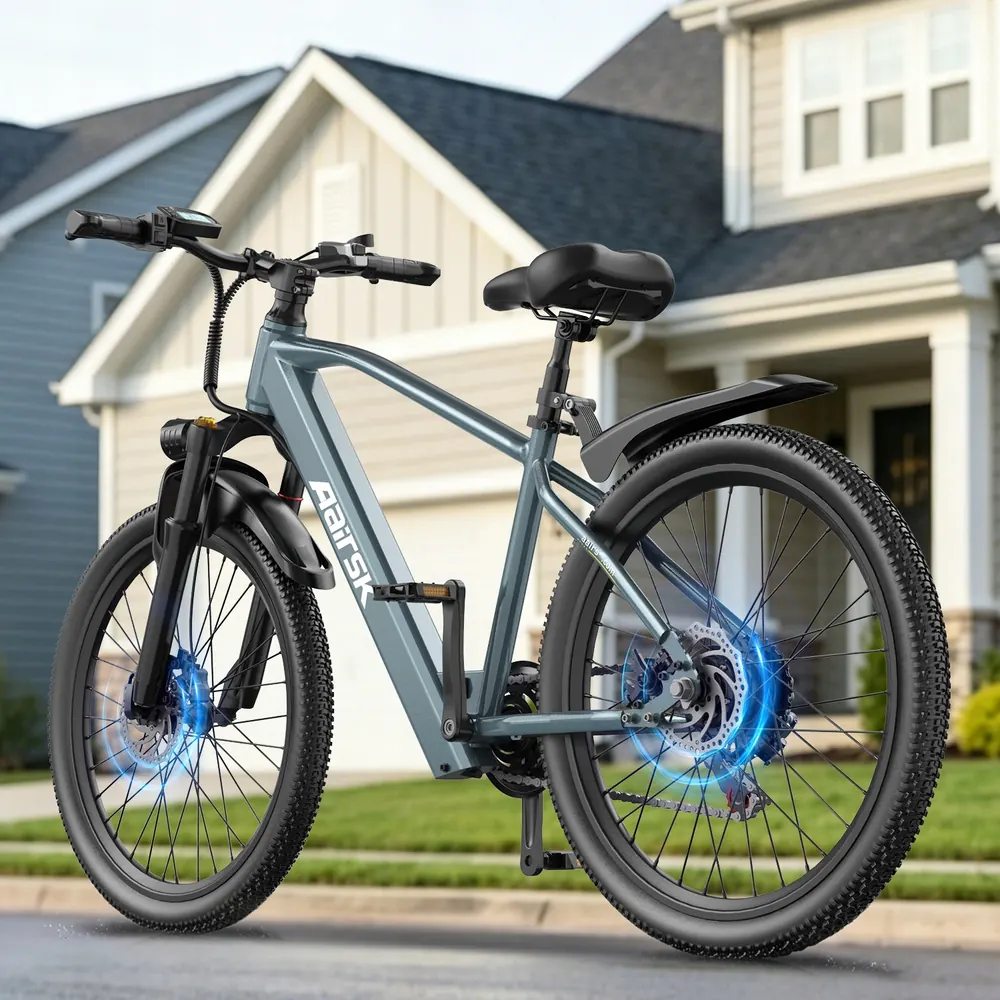
You want an e-bike that works hard day in, day out. The GT300 had mechanical disc brakes. They worked but needed regular adjustment. The GT900 upgrades to hydraulic discs. These offer stronger, more consistent stopping power in wet weather. That is a safety bonus for UK riders.
The LCD display on the GT900 is backlit and shows speed, battery level, distance and pedal-assist mode. You also get a USB port to charge your phone. The GT300 display was smaller and lacked that port. Small touches make the GT900 more liveable.
- Hydraulic disc brakes for reliable stopping.
- Backlit LCD with USB charging port.
- Integrated LED lights front and rear.
- Sturdy kickstand and full-length mudguards.
Gears and Drivetrain
As mentioned, the GT900 uses a 7-speed Shimano Tourney rear derailleur. It shifts cleanly with a thumb shifter. The GT300 also had a 7-speed setup, but the derailleur was a no-name brand and could be finicky. The Shimano parts on the GT900 are easier to service and replace at any local bike shop.
You also get a wider gear range on the GT900, with a lower bottom gear for climbing. Combined with the motor assist, you can tackle surprisingly steep slopes without standing on the pedals.
UK Legal Compliance
Any e-bike you ride on public roads must follow the EAPC regulations. That means a motor rated at no more than 250W and electrical assistance that cuts off at 15.5 mph. Both the GT300 and GT900 are fully compliant. You do not need a licence, tax or insurance. Riders must be at least 14 years old.
You can ride them anywhere a normal bicycle is allowed: roads, cycle lanes and bridleways. Off-road on private land, some riders unlock higher speeds, but that is not legal on public paths. We always recommend staying within the law to keep your ride safe and legal.
Do I Need to Register the Bike?
No. As long as the bike meets EAPC rules, it is classed as a bicycle. You do not register it with the DVLA. Still, we suggest marking your frame with a security ID and using a good lock. The GT900’s battery locks to the frame, and you can remove it for added security.
Who Should Choose the AAIRSK GT900?
If you are looking for a do-it-all electric mountain bike, the GT900 is hard to fault. It suits commuters who face rough roads and towpaths. It works for leisure riders who want to explore forest tracks. And it can handle light off-road adventures without complaints.
It is also a good option if you are upgrading from a basic e-bike like the old GT300. The extra battery capacity and hydraulic brakes make a real difference. You will notice the smoother power delivery from the first pedal stroke.
What About the GT300 Today?
The GT300 might still pop up second-hand. If you find one in good condition at a very low price, it could serve as a cheap runabout. But check the battery health carefully. A new battery, if you can find one, will cost several hundred pounds. That often makes the GT900 better value overall.
We no longer stock the GT300, and we do not expect it to return. The GT900 is the current model and benefits from ongoing manufacturer support. That peace of mind is worth the extra initial outlay.
Alternatives to Consider
The GT900 is a great bike, but it is not the only option. If you want a more road-focused commuter, the AAIRSK SU7 City Electric Bike offers a lighter frame and mudguard-ready design. Prefer a step-through folding model? Check the DYU C9 Folding Electric Bike.
For riders who need maximum all-terrain capability, the AAIRSK X5 Fat Tyre Electric Mountain Bike packs dual suspension and even fatter tyres. All our bikes are UK legal and come with full manufacturer warranties. Browse our full range of electric bikes to compare.
Other AAIRSK Models
The X5 is the big brother. It has full suspension and a more powerful feel, but it is heavier and pricier. The SU7 is a city hybrid. It uses smoother tyres and a more upright position. It sacrifices some off-road prowess for better on-road efficiency.
Each bike is built with the same quality control. The choice really depends on where you will ride most. For mixed use with a bias toward trails, the GT900 remains the most balanced pick.
Final Verdict: Why the GT900 Wins
The GT300 versus GT900 debate is essentially settled by availability. The GT300 is gone from new stock. The GT900 improves on nearly every front: battery, brakes, motor response and comfort. It is a bike you can buy today with full support and a warranty.
We recommend the GT900 for any rider who wants a capable electric fat bike without spending a fortune. It is tough, practical and surprisingly refined for its price. The extra range means fewer charges, and the hydraulic brakes inspire confidence in all weather. That is what everyday riding demands.
Ready to give it a go? Visit our AAIRSK GT900 page to see the latest price and availability. Or read more e-bike guides to help you decide. Your next adventure is just a pedal stroke away.
Frequently asked questions
Is the AAIRSK GT300 still available to buy new?
No, the GT300 has been discontinued. You might find used ones, but we recommend the current AAIRSK GT900 for its improved battery, brakes and motor response.
Do I need a driving licence for the AAIRSK GT900?
No. The GT900 is an EAPC-compliant electric bike with a 250W motor and 15.5 mph assistance limit. It can be ridden on UK roads by anyone aged 14 or over without a licence, tax or insurance.
What range can I realistically get from the GT900?
In real-world mixed riding, expect 40 to 50 miles on a single charge. Range depends on assist level, terrain, rider weight and tyre pressure. Using the lowest assist level will extend the range further.
Can I ride the GT900 in the rain?
Yes. The bike has weather-resistant wiring and connectors. The hydraulic disc brakes perform reliably in wet conditions. Avoid submerging the motor or battery, and dry the bike after riding in heavy rain to prolong component life.