Samebike SY26-II vs RS-A02 Pro: Mountain or Fat Tyre?
Two legal UK e-bikes, two very different rides. We compare price, tyres, folding, range and real-world fit to help you choose.

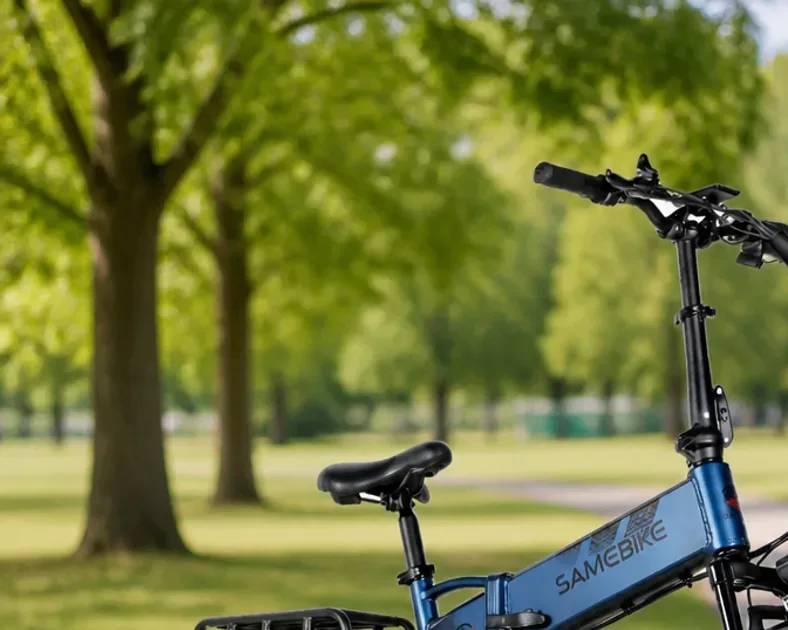
If you are weighing up two bikes from the Samebike range, the choice really comes down to the surface under your wheels. The Samebike SY26-II is a classic 26-inch mountain e-bike at £549. The Samebike RS-A02 Pro is a folding fat tyre e-bike at £749.
Neither bike is a full suspension downhill machine, and neither is a featherweight commuter. Both are legal UK electric bikes with a 250W motor and a 15.5mph assisted limit. This guide explains how the designs change your ride, storage and running costs.
What actually separates these two bikes
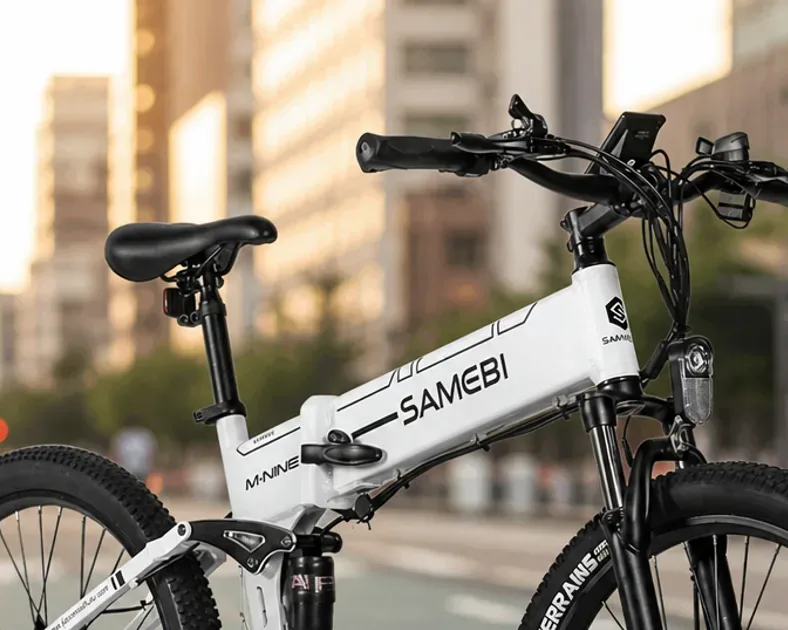
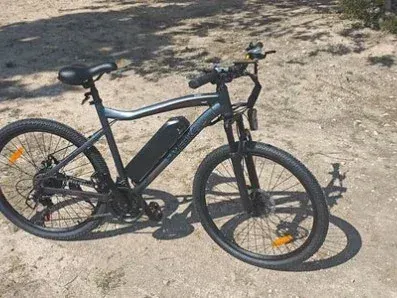
The SY26-II is a conventional hardtail e-bike. It has a fixed frame, standard width mountain tyres and a familiar mountain bike shape. If you have ridden a basic trail bike, you will feel at home straight away.
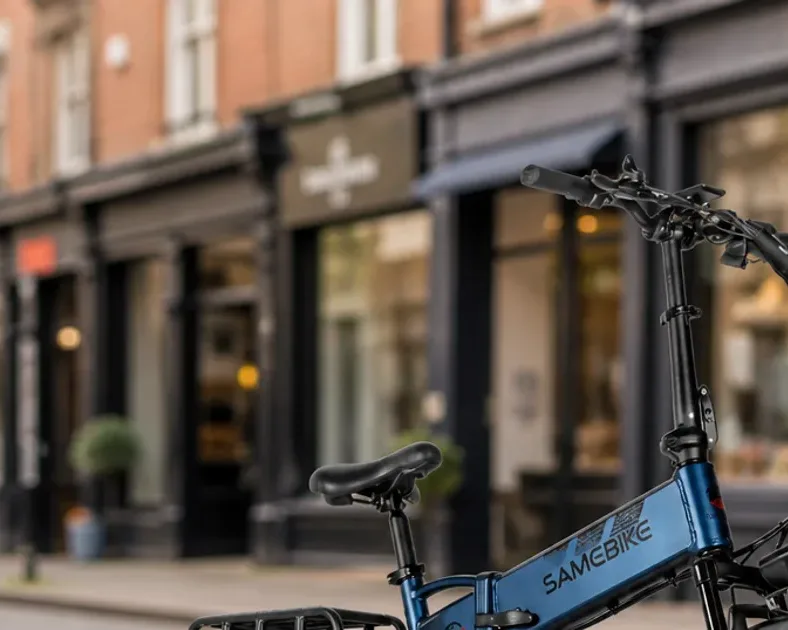
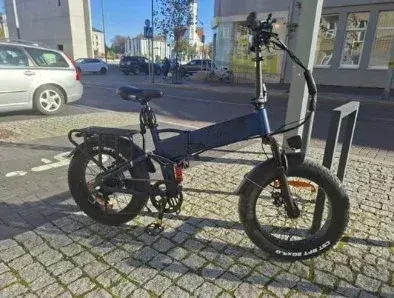
The RS-A02 Pro is different in two obvious ways. Its tyres are much wider, and the frame folds in the middle. That changes where you can ride it and where you can keep it.
Both use pedal assist rather than a twist-and-go throttle. You still have to pedal, and the motor helps you along. The bigger differences are in tyres, weight and storage.
How the design affects your ride
The SY26-II is lighter and easier to pedal without power. Its narrower tyres roll faster on tarmac. The RS-A02 Pro is heavier, but its fat tyres give extra grip and cushioning.
For UK roads with broken surfaces, that extra cushioning is welcome. For a smooth canal towpath, the SY26-II feels quicker for the same effort.
Motor and battery: how much help do you get?
Both models are EAPC legal, so the motor is rated at 250W and assistance stops at 15.5mph. Above that speed, you are on your own. That is the same for every legal e-bike sold in the UK.
In practice, the RS-A02 Pro carries more weight because of its fat tyres and folding frame. Its motor has to work a little harder from a standstill and on climbs. The SY26-II feels slightly more eager on smooth roads.
The battery is where the RS-A02 Pro often has an edge. Samebike quotes a longer range for the fat tyre model, but you should treat any figure as a best-case estimate. Hills, wind, cold weather and a heavy rider all reduce real range.
For most commutes under 10 miles each way, neither bike will struggle. For longer leisure rides, plan to recharge and carry a charger if you can.
Range honesty for UK riders
Cold weather reduces battery capacity. A ride in January can feel 20 to 30 percent shorter than the same ride in July. Keep the battery indoors before you ride on frosty mornings.
If you ride mainly on flat roads in low assist, you will get closer to the manufacturer number. If you use high assist on hilly routes, expect less.
- Use low assist on flats to stretch range.
- Keep tyres pumped to the right pressure, especially on the SY26-II.
- Recharge before the battery drops below 20 percent.
Tyres: mountain grip or fat air cushion?
The SY26-II runs standard mountain tyres, roughly 1.95 to 2.1 inches wide. They are good on tarmac, gravel and dry trails. They are also cheaper to replace and easier to find in bike shops.
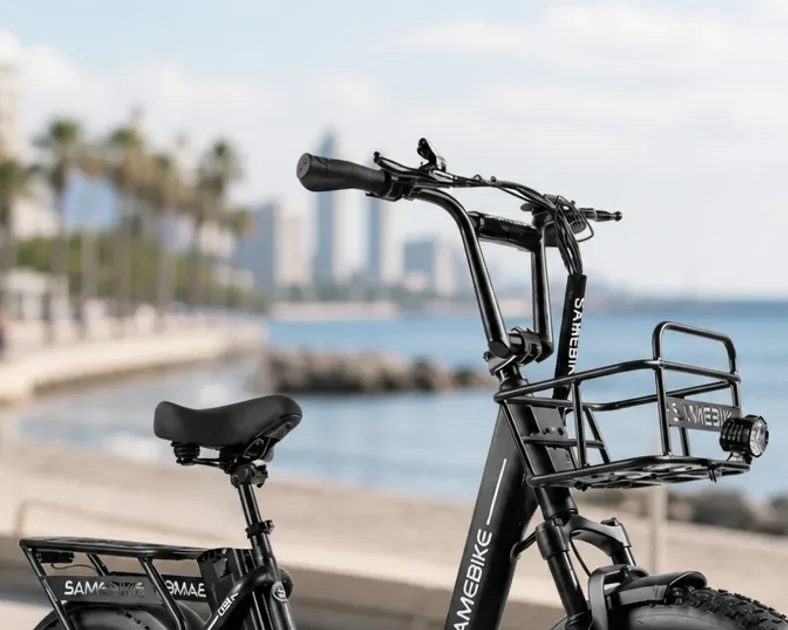
The RS-A02 Pro uses fat tyres, often around 4 inches wide. At low pressure they spread your weight and float over soft sand, mud and loose stones. The same wide patch also smooths out potholes and kerbs.
Fat tyres have a trade-off. They weigh more, make more road noise and need more effort to pedal if the battery runs flat. On a smooth road, the SY26-II is the easier bike to ride unpowered.
So the tyre choice is not about better or worse. It is about the surface you actually ride. Most UK buyers ride mostly on road and cycle path, where the SY26-II is more efficient.
Pressure and puncture care
Fat tyres can run at lower pressure, sometimes 15 to 20 psi, which helps comfort and grip. Standard MTB tyres usually run at 35 to 50 psi on road. Check the sidewall and use a track pump with a gauge.
Both bikes can puncture. Carry a spare tube, tyre levers and a pump. Slime or sealant is popular for fat tyres because removing a fat wheel at the roadside is harder.
Suspension, gears and brakes
Both bikes have front suspension forks. The RS-A02 Pro gets extra bump absorption from its fat tyres, so the front end feels softer over kerbs and rough tracks. The SY26-II relies more on its fork.
Neither bike has rear suspension. A hardtail is fine for roads, towpaths and light trails. If you want to tackle rocky descents, you would need a full suspension e-bike, which costs much more.
Both use a 7-speed drivetrain. That gives you one chainring at the front and seven sprockets at the back. The range is enough for hills if you use the gears early and keep your cadence steady.
Brakes are mechanical disc brakes on both models. They are predictable and easy to maintain. In heavy rain, give yourself more stopping distance and brake earlier than usual.
Everyday maintenance
- Check brake pads every month. Mechanical discs wear quickly on heavy e-bikes.
- Lube the chain once a week in wet weather.
- Keep the battery contacts clean and dry.
Folding and storage: does the frame size matter?
The SY26-II does not fold. You need a secure place to store it, such as a garage, shed or ground floor hallway. It is a normal size mountain bike, so it takes up the usual space.
The RS-A02 Pro folds in the middle and the handlebars fold down. That helps in a flat, a car boot or under a desk. But do not expect a light package. A folded fat tyre e-bike is bulky and often weighs over 25kg.
If you need to carry a bike up three flights of stairs, neither is ideal. For a train or car commute, the RS-A02 Pro is the only one of the two that can fold. For a permanent garage spot, the SY26-II is simpler.
If folding really matters, take a look at our folding bikes page. There are lighter options, but they may cost more or have smaller wheels.
Car boot and train travel
Check the folded measurements before you buy. Fat tyres and wide handlebars add bulk, even when folded. Measure your car boot or under-stairs cupboard.
Comfort and fit for UK riders
The SY26-II has a straightforward mountain bike position. You sit with a slight lean forward, which feels natural for most people. The saddle is basic but supportive for short to medium rides.
The RS-A02 Pro has a more upright, relaxed position. The fat tyres and wider saddle take the sting out of rough roads. If you have a bad back or wrists, this can be a more comfortable choice.
Both bikes adjust with a quick-release seatpost and handlebar height. Check the size guide on each product page. If you are very short or very tall, contact us before ordering.
Weight matters for comfort too. The RS-A02 Pro is heavier, so it feels steadier at low speed but harder to lift. The SY26-II is easier to push around a shop or station.
UK law: where can you ride each one?
Both bikes meet the UK rules for an electrically assisted pedal cycle, or EAPC. The motor is 250W, assistance cuts off at 15.5mph, and the rider must be at least 14 years old. You do not need a licence, tax or MOT.
You can ride both on roads, cycle lanes and most bridleways. Some shared paths have local restrictions, so look for the blue cycle route signs. Full details are on the GOV.UK electric bike rules page.
Do not derestrict