DYU C1 Review: The 26-Inch City E-Bike, Full UK Test
The DYU C1 is a full-size city e-bike with a step-through frame and 26-inch wheels. This UK review explains the law, real-world range, and whether it is worth £1289.99.


The DYU C1 is a 26-inch city electric bike with a step-through frame. It sits near the top of the DYU range at Biktron, priced at £1289.99. This review explains what that money gets you on UK roads.
We have not ridden this bike ourselves, so we will not pretend to. Instead, we use the manufacturer's published specifications, UK e-bike law and our own experience of what matters when buying a commuter e-bike.
By the end, you will know whether the C1 is the right DYU for your journey, or whether a cheaper model like the DYU T1 makes more sense.
Who is the DYU C1 for?
City commuters and everyday riders
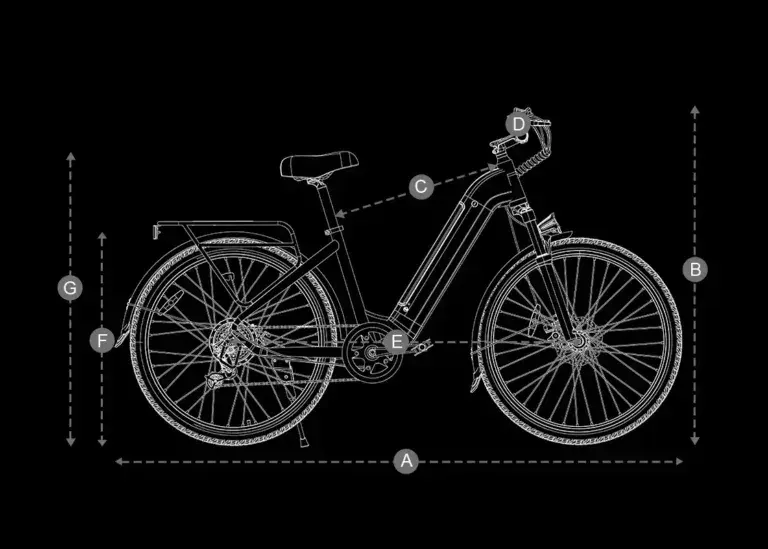
The C1 is built for riders who want a sit-up position and a stable 26-inch wheel. It suits short commutes, school runs, shopping trips and gentle weekend rides. If you ride mostly on tarmac and cycle paths, it fits well.
The step-through frame makes mounting easy in normal clothes. The integrated rear rack and optional basket are useful for carrying a bag. You do not need to be fit because the motor does most of the hard work.
At £1289.99, it is not a budget first e-bike. It competes with comfort-focused city bikes from bigger names. The C1 earns its keep when you use it several times a week instead of a car or bus.
What you give up at this price
You do not get a folding frame, fat tyres or off-road power. The C1 is a pure city bike. If you need to carry it onto a train or store it in a small flat, a folding e-bike will suit you better.
You also give up the lower price of other DYU models. The DYU Stroll 1 City Electric Bike costs hundreds less and covers similar short trips. So the C1 only makes sense if you value the larger frame and upright ride.
UK e-bike law: where the C1 fits
EAPC rules explained
The DYU C1 is sold as a UK-legal electrically assisted pedal cycle, often shortened to EAPC. That means the motor must be no more than 250 watts. It must also cut assistance at 15.5 mph. You can ride an EAPC from age 14 and you do not need a licence or tax.
The government's electric bike rules set all of this out clearly. The C1's motor is listed as 250W, which is the legal maximum. As long as it is not modified, it stays within the rules.
Throttle use is a grey area. Some UK e-bikes have a throttle that works up to 3.7 mph without pedalling. Above that, you must pedal. The C1 is pedal-assist first, so check the exact mode before you buy if a throttle matters to you.
Why the 15.5 mph limit matters
At first, 15.5 mph sounds slow. In town, it is often faster than traffic. You will keep up with most commuters and arrive without sweating. The law keeps you on cycle paths and away from insurance requirements.
For more detail on what counts as an EAPC, Cycling UK explains the rules in plain English. Sustrans also has a simple guide to the basics of electric bikes. The C1 is designed to stay inside them, so you can ride it like a normal bike.

Design and build quality
Frame, wheels and comfort
The C1 uses a 26-inch wheel with a step-through aluminium frame. That wheel size rolls smoothly over potholes and kerbs. It also gives a more planted feel than small-wheel folding bikes like the DYU T1.
The frame is open in the middle, so you step through rather than swing a leg over. This is great for riders with stiff hips or anyone wearing a skirt or long coat. The upright riding position reduces strain on your wrists and lower back.
Build quality looks sensible for the price. The welds are neat, the paint finish is decent, and the included mudguards are full length. You will not mistake it for a premium European brand, but it does not feel fragile.
Practical everyday touches
Small details matter on a commuter. The C1 comes with a rear rack, integrated lights and a kickstand. The rack is rated for a typical pannier or a child seat mount, though you should check the exact limit in the manual.
Here is what you get on the bike:
- Step-through aluminium frame with 26-inch wheels
- Full mudguards and a rear rack as standard
- Front and rear lights powered from the main battery
- Mechanical disc brakes for reliable stopping in the wet
- Adjustable stem and saddle to fine-tune your position
The saddle is not the plushest we have seen, but it is fine for rides under an hour. You can swap it for any standard seat post saddle later. The grips are ergonomic enough for most hands.
Motor, battery and real-world range
What DYU quotes vs what you'll get
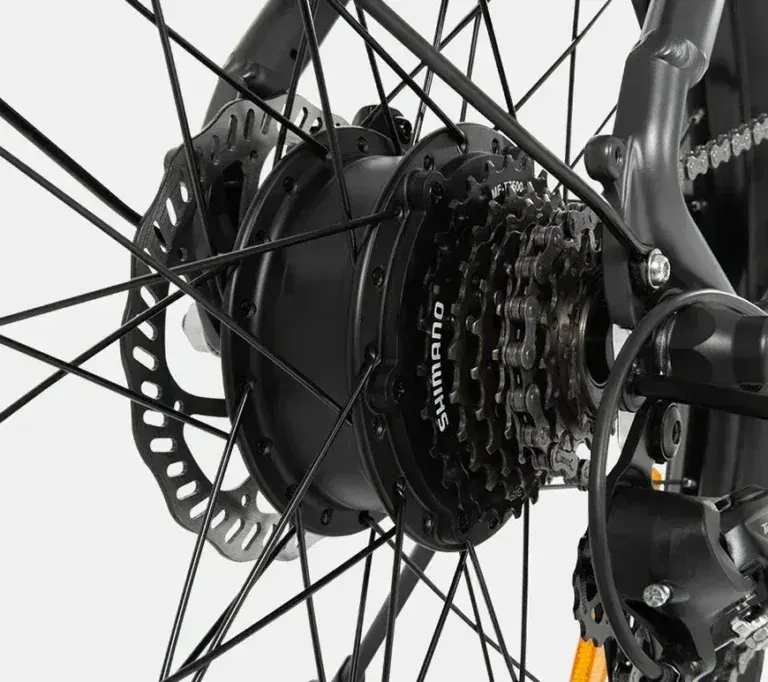
The C1 is built around a 250W rear hub motor. That is the legal UK limit, so it is as powerful as any road-legal e-bike can be. It is smooth rather than punchy, which suits city riding.
DYU quotes a range of around 40 to 45 miles from the removable battery in ideal conditions. Those conditions mean flat ground, a light rider, warm weather and low pedal assist. Real range on UK hills and in the cold will be lower, often by 30 percent.
If you ride on high assist the whole way, expect closer to 25 miles. If you use the lowest assist and pedal lightly, you may beat the quoted figure. Battery range is never a fixed number.
The battery is removable, so you can charge it indoors at home or work. That also makes the bike lighter to carry if you park in a hallway and take the battery up separately. A full charge typically takes four to six hours.
Charging and battery care
Lithium batteries last longest when kept between 20 and 80 percent charge. You do not need to run the battery flat before recharging. In fact, doing so shortens its life.
Store the battery indoors during winter. Extreme cold reduces range and can damage the cells over time. When you are not riding for weeks, charge it to around half and check it monthly.
The C1's battery is one of the reasons it costs more than a budget DYU like the DYU D3F Folding Electric Bike. You are paying for a larger, removable unit rather than a small integrated cell. For daily use, that extra capacity is worth it.
Riding position and handling
26-inch wheels on UK streets
The 26-inch wheel size is the classic commuter standard. It handles British tarmac well, including the cracked edges and sunken drain covers. The wheels are big enough to feel stable but not so big that the bike feels heavy to start.
The C1's upright position gives you a good view over car roofs. You sit tall, which makes you more visible to drivers. The downside is more wind on your chest on open roads, but at 15.5 mph that is not a real problem.
The wide handlebars calm the steering. You can hold a line easily when filtering past parked cars. If you are used to a sporty road bike, the C1 will feel relaxed rather than quick to turn.
Brakes, gears and hill climbing
The C1 uses mechanical disc brakes. In the wet, they bite harder and more predictably than rim brakes. You still need to pull the lever firmly, but they are simple to adjust at home.
Most C1 models include a Shimano 7-speed drivetrain. The gears help you keep pedalling at a comfortable cadence. On steep hills, shift down and let the motor take the strain. On descents, you can use the brakes without overheating the rims.
Hill climbing is adequate rather than thrilling. The 250W hub motor will get you up most urban climbs if you pedal steadily. On long 10 percent gradients, you will work harder than you would on a mid-drive bike that costs twice as much.
DYU C1 vs the rest of the DYU range
When to choose the C1
The C1 is the biggest, most stable city bike in the DYU line-up. Choose it if you want a full-size frame, a larger battery and a rear rack as standard. It suits riders over about 5ft 2in who do not need to carry the bike up stairs.
Compared with the DYU Stroll 1 City Electric Bike, the C1 has a larger wheel and a more substantial frame. The Stroll 1 costs £689 and is lighter, but it feels more compact. If comfort matters more than price, the C1 wins.
Against the DYU T1 20 Inch Foldable Electric Bike, the C1 wins on rolling comfort and rack capacity. The T1 folds, which is a huge advantage on trains and in flats, but it cannot match the C1's road manners.
When a folding DYU makes more sense
If your journey includes a train, a bus or a cramped office, the C1 is the wrong tool. The T1 folds down in seconds and costs £679. You lose wheel size and some comfort, but you gain portability.
For riders who want a bigger tyre for towpaths and light gravel, the DYU FF500 20 Inch Fat Tire Folding Electric Bike is another option at £1489. It is heavier and less nimble in town, but it shrugs off rough surfaces.
This table shows how the C1 compares for common UK use cases:
| Use case | DYU C1 | DYU T1 | DYU FF500 |
|---|---|---|---|
| Daily city commute | Excellent | Very good | Good |
| Train + bike journey | Poor | Excellent | Fair |
| Grocery run with pannier | Excellent | Good | Good |
| Rough towpath or gravel | Fair | Fair | Excellent |
| Small flat storage | Poor | Excellent | Good |
The C1 is the best all-round city bike in the range, but it is not the most versatile. If you need one bike for many jobs, a folding e-bike may be the smarter buy.
Value for money: is the C1 worth £1289.99?
Where the price sits
At £1289.99, the C1 sits above most budget e-bikes but below premium European commuters. For that price, you get a full-size wheel, a removable battery, mudguards, lights and a rack. Many £900 bikes make you buy those extras separately.
However, you can buy two DYU T1s for less than one C1. If you only ride three miles each way, the C1's extra comfort and battery capacity are hard to justify on paper. It becomes good value only when you use it every day and want the larger frame.
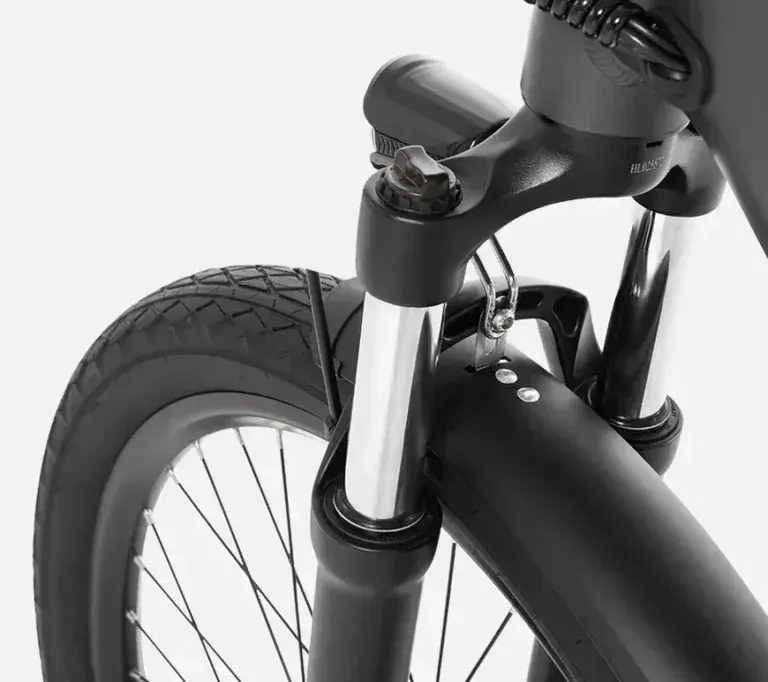
The C1 also competes with the wider city e-bikes in our shop. Some alternatives have suspension forks or belt drives at a similar price. The C1 keeps things simple, which is both a strength and a limit.
What the price includes
When you buy the C1 from Biktron, the price includes the bike, battery, charger, mudguards, lights and rack. You do not need to budget for essential commuter accessories. A helmet and lock are the only real extras to add.
Here is what we think the C1 gets right for the money:
- Legal 250W motor with pedal assist to 15.5 mph
- Removable battery with a realistic 25 to 35 mile daily range
- 26-inch wheels and a step-through frame for comfort
- Full commuting kit included, not sold as upgrades
The main reason not to buy the C1 is financial. If you can live with smaller wheels and a shorter range, the DYU Stroll 1 or T1 save you hundreds. The C1 is a considered purchase, not an impulse buy.
Living with the C1: setup, servicing and accessories
Setup and first ride
The C1 arrives partly assembled. You will need to fit the pedals, handlebar stem and front wheel, or pay a local bike shop to do it. The brakes and gears are set up at the factory but often need a quick tune after the first few rides.
Before your first ride, check the tyre pressures and make sure the battery is fully seated. The manual is clear enough for a beginner. If you are not confident, any bike shop can safety-check it in under an hour.
You do not need specialist e-bike servicing for most jobs. Brake pads, cables and tyres are standard. The motor and battery are sealed units, so leave them alone unless something fails under warranty.
Accessories worth adding
A good D-lock is essential, even for short stops. The C1 has no built-in immobiliser, so park it somewhere visible. A rain cover is also worth having if you leave it outside at work.
Other useful extras include a phone mount, a pannier bag that clips to the rear rack, and a mirror for busy roads. The integrated lights are fine, but an extra flashing rear light helps in winter.
You can browse more options in our buying guides if you want to compare the C1 with other brands.
Verdict: should you buy the DYU C1?
The DYU C1 is a comfortable, well-equipped city e-bike that stays inside UK law. It suits riders who want a full-size step-through and use it every day. The 26-inch wheels, rack and removable battery are genuinely practical.
Its weakness is the price. At £1289.99, it costs a lot more than other DYU models that cover the same short urban trips. If you rarely carry luggage and never fold a bike, the C1 is hard to argue against. If you need portability or want to spend less, look at the T1 or Stroll 1 first.
Overall, the C1 is a solid 4.0 out of 5 for value in its class. It does nothing badly, but it only makes financial sense when comfort and wheel size are your top priorities.
Frequently asked questions
Is the DYU C1 legal to ride on UK roads?
Yes. It is a 250W EAPC with pedal assist cut at 15.5 mph. You can ride it from age 14 without a licence, tax or insurance.
How far will the DYU C1 go on a full charge?
DYU quotes around 40 to 45 miles in ideal conditions. Real range is usually 25 to 35 miles depending on hills, cold weather, rider weight and assist level.
Can I ride the DYU C1 without pedalling?
The C1 is pedal-assist first. Some versions have a throttle that works up to 3.7 mph without pedalling, which is UK legal. Above that speed you must pedal.
Is the DYU C1 good for hills?
It handles moderate urban hills well if you pedal steadily. Long steep climbs will require more effort, but the 250W motor is enough for most UK city riding.
How does the DYU C1 compare to the DYU T1?
The C1 has larger 26-inch wheels, a roomier step-through frame and a rear rack. The T1 folds for portability and costs £679, so it is better for mixed train and bike journeys.