DYU T1 Review: The £679 20-Inch Folder, Tested 2026
The DYU T1 is a 20-inch folding electric bike priced at £679. This review looks at its 250W motor, battery, folded size, UK road legal status and whether it is worth the extra over DYU's cheaper folders.

Folding electric bikes are one of the fastest growing ways to get around British towns. They solve the storage problem that puts many people off a full size e-bike. The DYU T1 is a 20 inch folder that costs £679 from Biktron. This is a spec based review, not a hands-on test. We have not ridden or measured this bike. We are judging what the published specifications and price add up to for a UK buyer.
We will look at the T1's motor and battery, its folding design, ride comfort, UK road law and how it compares with cheaper DYU models like the D3F. The goal is to help you decide if this £679 folder deserves your money in 2026.
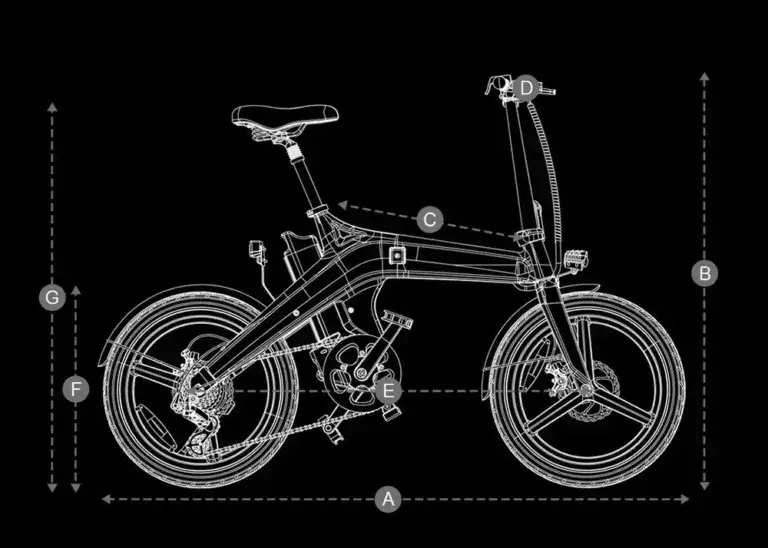
DYU T1 at a glance: what you get for £679
The DYU T1 is a 20 inch wheel folding electric bike. It uses a 250 watt rear hub motor, which is the legal maximum for an electrically assisted pedal cycle in the UK. The frame folds in the middle and the handlebars fold down, so the bike can be stored under a desk or in a car boot.
At £679, the T1 sits in the middle of DYU's folding range. It costs more than the basic D3F at £339 but far less than the fat tyre FF500 at £1,489. The T1 aims to be a practical daily commuter rather than a weekend toy.
Key specifications and UK legality
The T1 is an EAPC, an electrically assisted pedal cycle. That means its motor must not exceed 250 watts and it must stop assisting above 15.5 mph. You do not need a licence, tax or MOT to ride one, and you can ride from age 14. The bike must show either the motor wattage or the manufacturer's name on a plate.
We list the T1's full specifications elsewhere on this page. The important thing is that those numbers fall within UK law. You can ride the T1 on roads, cycle lanes and most shared paths without any special paperwork.
Who is this bike for?
The DYU T1 suits a commuter who needs to fold a bike at both ends of the journey. That could mean a train platform, an office floor or a flat with no lift. It also suits caravan and motorhome owners who want a small electric bike to explore when parked.
It is not a mountain bike and it is not a long distance tourer. The 20 inch wheels and folding hinges trade some stability for portability. If you never need to fold a bike, you may get more comfort from a full size city electric bike at the same price.
Folding design: does it actually fit in a small space?
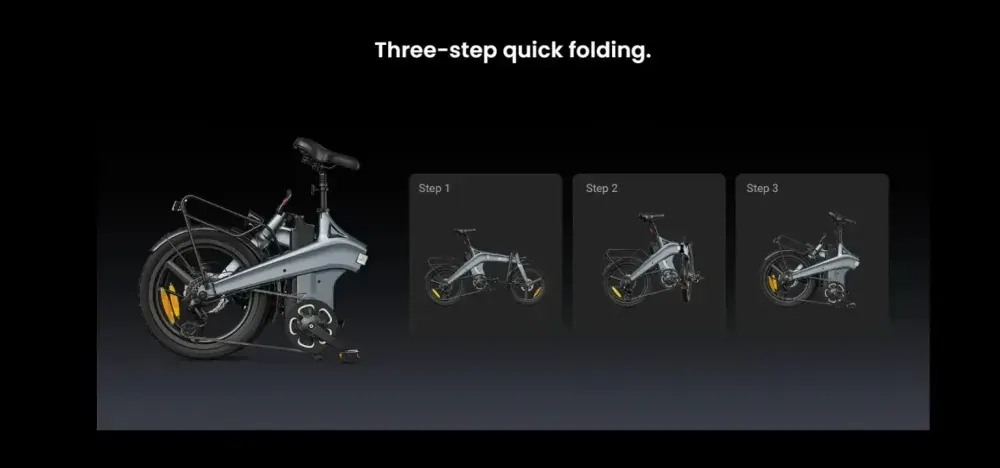
Folding bikes live or die by how quickly they fold and how small they become. The T1 uses a step through frame with a central hinge. You fold the pedals, lower the seat and handlebar stem, then fold the frame in half. Most DYU folders use a similar mechanism.
We cannot give exact folded dimensions because we have not measured the T1. DYU publishes a folded size on the product page, and it is roughly the size of a large suitcase. That is small enough for a car boot but probably not small enough for a crowded rush hour train vestibule.
Folded size and weight
The T1 is a steel or aluminium frame, depending on the batch. A typical 20 inch folder like this weighs between 18 and 22 kg. That matters when you carry it up stairs or lift it onto a train rack. If you have a long walk between folding and sitting down, the weight will be noticeable.
Check the advertised weight before buying. If you regularly carry the bike up two flights of stairs, a lighter folder like the DYU A1F Pro at £589 may be easier to live with, even though it has smaller 14 inch wheels.
Carrying and storage
The T1 does not come with a carry bag as standard. For storage in a flat, you can stand it on its folded end and roll it on the rear wheel. That is a useful trick that many owners learn. If you plan to take it on a train, check the operator's rules. Some peak time services ban full size bikes but allow folders in a bag.
- Central frame hinge with a quick release clamp
- Folding pedals and handlebar stem
- Magnetic catch to hold the folded frame together
- No carry bag included in the standard price

Motor and battery: realistic range for UK riding
The T1's 250 watt hub motor is quiet and smooth for a bike at this price. It gives a gentle push rather than a sudden surge. You still need to pedal, especially on hills. The motor only works while you turn the pedals, which is how UK law requires an EAPC to behave.
The battery is removable and sits behind the seat post or on the down tube. DYU quotes a range figure for the T1, but real range is always lower in Britain. Cold weather, hills and a heavier rider all eat into the battery. Expect roughly half to two thirds of the manufacturer's claim on a typical UK commute.
How the motor feels on hills
With 20 inch wheels, the motor has a mechanical advantage over a larger wheel. That means the T1 should feel reasonably punchy on gentle slopes, even though it only has 250 watts. Steep hills, over 8 percent gradient, will slow it down and force you to work harder.
If your commute has a long climb, use the gears to keep your cadence high. The motor produces its best torque at lower speeds. A 20 inch folder will never climb like a mid drive mountain bike, but it will get you up most urban hills without walking.
Battery range: what the numbers really mean
Do not buy an e-bike based on a headline range figure. DYU quotes a maximum range under ideal conditions: a light rider, a flat route, warm weather and low assist. In the real UK, with start stop traffic, potholes and rain, you will see far less.
- Manufacturer quoted range: check the product listing, usually 30 to 40 miles
- Realistic range in assist level 3: expect 15 to 25 miles on mixed terrain
- Battery charging time: typically 4 to 6 hours from empty
- Removable battery: yes, you can charge it indoors
Ride quality and comfort on 20-inch wheels
Small wheels are more agile at low speed but less stable at high speed. The T1's 20 inch tyres are wider than a road bike, giving some cushioning. However, potholes and rough cycle lanes will feel harsher than on a bike with larger wheels and suspension.
The T1 has no suspension fork on the front. That keeps the weight down and the price lower, but it means you will feel every bump. A suspension seat post is a cheap upgrade that transforms comfort on a small wheel e-bike.
Handling at 15.5 mph
At the legal assisted limit, the T1 should feel stable enough for a confident rider. The steering is quick, so sudden movements are amplified. New riders may need a few days to get used to it. The swept back handlebar puts you in an upright position, which is good for seeing traffic but less aerodynamic.
Crosswinds can push a small wheel bike around more than a heavy city bike. Keep both hands on the bars when riding beside buses or lorries. The T1 is not twitchy in the way a 14 inch folder is, but it is not as planted as a 26 inch wheel.
Comfort for shorter and longer commutes
The step through frame makes the T1 easy to mount, even in a coat. The saddle and grips are basic but usable. For rides under 5 miles each way, the T1 is comfortable enough out of the box. For longer trips, a better saddle and ergonomic grips are worth the extra £30.
If your commute is over 8 miles each way, think about a bike with larger wheels and front suspension. The DYU C1 26 Inch City Electric Bike at £1,289.99 offers a much smoother ride, but you lose the folding ability.
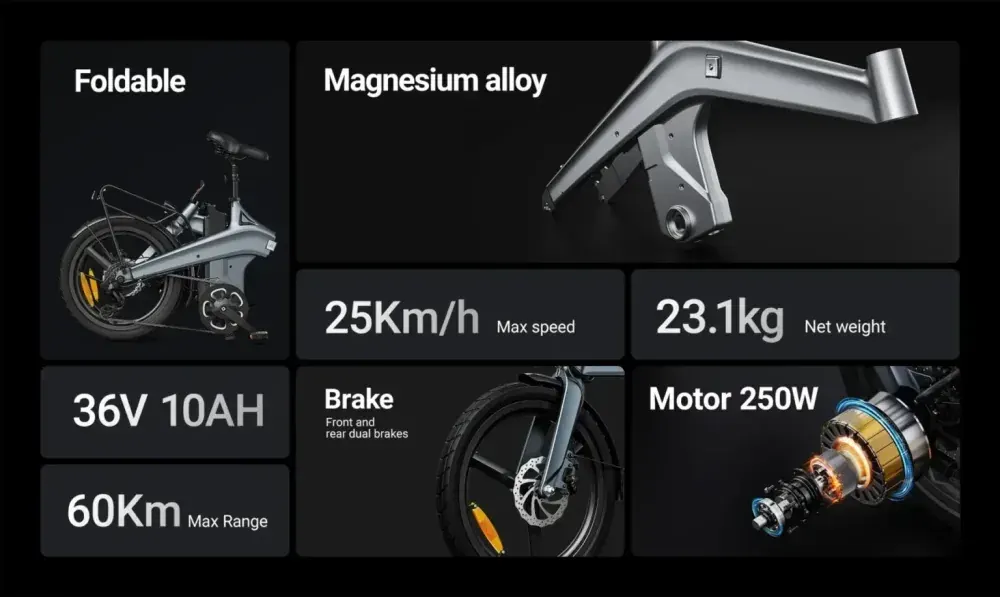
Brakes, gears and everyday usability
The T1 uses mechanical disc brakes, which is good to see at this price. Disc brakes work better in the wet than rim brakes and need less maintenance. They are a genuine safety upgrade for an all weather commuter. The brake levers have a motor cut off switch, so the power stops the instant you pull the lever.
The bike has a single speed or a simple derailleur gear, depending on the version. A single speed is fine on flat ground but limiting on hills. If you live in a hilly town, look for the 7 speed version or choose a different model. The T1's motor helps, but gears still matter.
Stopping power in wet weather
In the UK, you will ride in the rain at some point. Mechanical disc brakes are far more predictable than rim brakes when wet. They also handle the extra weight of the battery and motor better. Check the pads every few hundred miles and replace them when they wear thin.
Always brake earlier in the wet, even with discs. A 20 inch wheel has less gyroscopic stability, so a hard stop can feel abrupt. The motor cut off switch means the bike will not fight you when you brake, which is a key safety feature.
Gearing for flat and gentle hills
A single speed DYU T1 is best for towns like York or Cambridge where the land is flat. Adding a derailleur gives you a lower gear for climbing and a higher gear for descents. The motor's assistance is torque based, so it responds to how hard you press the pedals. That makes the bike feel natural.
If you test ride any e-bike, try it with the motor off. That shows you how heavy the bike really is. The T1 should be rideable without power on flat ground, but it will feel slow and heavy. Carry the charger with you if you plan a long day out.
UK law: is the DYU T1 a legal EAPC?
Yes, the DYU T1 meets the legal definition of an EAPC as described by the UK government. Its motor is rated at 250 watts and it stops assisting at 15.5 mph. You must be 14 or older to ride it. You do not need insurance, tax or a driving licence.
The bike must be type approved or meet the EAPC requirements. DYU sells in the UK market and labels its motor and wattage clearly. That means the police and insurers treat it as a bicycle, not a moped. You can ride it anywhere a normal bicycle is allowed.
What the 250W and 15.5 mph rules mean
The 250 watt rating is the maximum continuous power the motor can produce. Many e-bike motors peak higher for short bursts, but that is allowed. The 15.5 mph limit means the motor cuts out above that speed. You can still pedal faster, but the motor will not help. On a folder, most owners cruise between 14 and 16 mph on flat ground.
If you modify the T1 with an off road only throttle or a speed delimiter, it becomes a moped in law and you could be prosecuted. Keep it standard and you have nothing to worry about. The Cycling UK guide to buying an e-bike explains the rules in plain English.
Where you can legally ride
As a legal EAPC, the T1 can use roads, cycle lanes, bridleways and most shared paths. The only places you cannot ride are footpaths and land where cycling is banned. The Sustrans guide has useful advice on finding safe routes. A folding bike gives you flexibility because you can bail out and take a bus or train if the weather turns.
DYU T1 vs cheaper DYU folders: where the extra money goes
The T1 costs £679, which is £340 more than the DYU D3F at £339 and £90 more than the DYU A1F Pro at £589. The extra money buys you larger 20 inch wheels, mechanical disc brakes and a more comfortable upright riding position. It also buys a beefier frame that handles rough roads better.
Cheaper DYU folders like the D3F are fine for occasional use, but they have smaller wheels and simpler brakes. If you ride every day, the T1's disc brakes and larger wheels are worth the premium. They make the bike safer and less tiring.
DYU T1 vs DYU D3F
The D3F costs £339 and is currently in stock. It has 14 inch wheels, a single speed drivetrain and rear V brakes. The T1 has 20 inch wheels, optional gears and disc brakes. The D3F is good for flat, short trips and for someone on a tight budget. The T1 is a serious commuter that copes with light hills and wet braking.
If you only need a folder for a two mile flat ride to the station, save your money and get the D3F. If you ride further or in a hilly town, the T1 is the better buy. Both bikes are legal EAPCs.
DYU T1 vs DYU A1F Pro
The A1F Pro at £589 has 16 inch wheels and a similar folding mechanism. It weighs less than the T1 and folds smaller, so it is better for carrying onto buses and trains. The T1 has larger wheels, which roll over potholes better and feel more stable at speed. The A1F Pro's smaller wheels make it feel twitchy above 12 mph.
If portability is your top priority, the A1F Pro is the stronger choice. If ride comfort and stability matter more, the T1 is worth the extra £90. Both have disc brakes, so the main difference is wheel size.
Who should NOT buy the DYU T1
The T1 is not for everyone. If you never need to fold your bike, a full size city bike will be more comfortable and often cheaper for the same spec. The T1's folding hinges add cost and weight. A DYU C6 Pro at £589 has larger wheels and a more relaxed ride, but it is currently sold out, so look at the DYU Stroll 1 at £689 instead.
Do not buy the T1 if you plan to ride long distances at speed. The small wheels and upright position are tiring over 15 miles. Do not buy it if you are over about 100 kg, as the frame and hinges will flex under heavy loads. The T1 is best for a rider under 90 kg doing trips under 8 miles each way.
Verdict: is the DYU T1 worth £679 in 2026?
For the right rider, yes. The T1 is a well judged compromise between portability and ride quality. It costs more than a basic 14 inch folder, but the 20 inch wheels and disc brakes justify the price. In a market full of cheap folders with weak brakes and tiny wheels, the T1 stands out as a sensible daily bike.
However, it is not a bargain. At £679, you are close to the price of a non folding city e-bike with larger wheels and better comfort. Only pay that price if you genuinely need the folding function. If you do, the T1 is one of the best options in DYU's range. Check the live price and stock on the T1 product page before buying.
Frequently asked questions
Is the DYU T1 legal to ride in the UK without a licence?
Yes. The DYU T1 has a 250W motor and stops assisting at 15.5 mph, so it meets the UK EAPC rules. You can ride it from age 14 with no licence, tax or insurance.
What is the real world range of the DYU T1?
DYU quotes a maximum range, but real range is lower. Expect roughly 15 to 25 miles on mixed UK terrain with moderate assist. Cold weather, hills and a heavier rider reduce range further.
Can I take the DYU T1 on a train?
Most UK train operators allow folded bikes at any time if they are in a carry bag. The T1 folds down but does not come with a bag. Check the operator's rules before travelling.
Does the DYU T1 need a lot of maintenance?
The main maintenance is keeping the folding hinges clean and adjusting the mechanical disc brakes. The motor and battery are sealed units. Check the tyre pressure weekly and the brakes monthly.
What is the difference between the DYU T1 and the DYU D3F?
The T1 has 20 inch wheels and mechanical disc brakes, while the D3F has 14 inch wheels and V brakes. The T1 is more stable and stops better in the wet, but it costs £340 more and weighs more.