How to Choose the Right Electric Bike, Complete Beginner's Guide
Everything a complete beginner needs to know before buying an electric bike in the UK, from legal rules and motor types to the perfect bike for your daily rides.

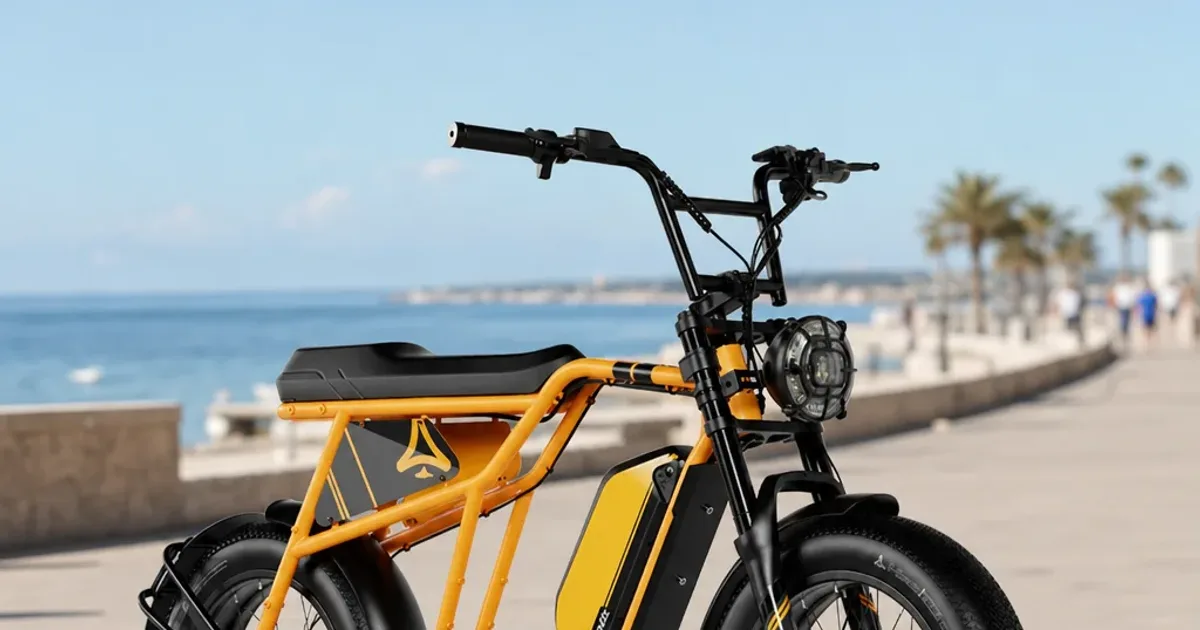
The line-up compared
| Model | Price | Motor | Range | Top speed | UK road status |
|---|---|---|---|---|---|
| SAMEBIKE RS-A01 Pro Electric Bike | £549.00 | 250W | 56 Miles | 15.5 Mph | Road legal |
| SAMEBIKE LO26-II-FT-YD Folding Electric Bike | £689.00 | 900W | N/A | 21.8 Mph | Private land only |
| AAIRSK XT90 Electric Mountain Bike | £699.00 | 750W | 50 Miles | 28.0 Mph | Private land only |
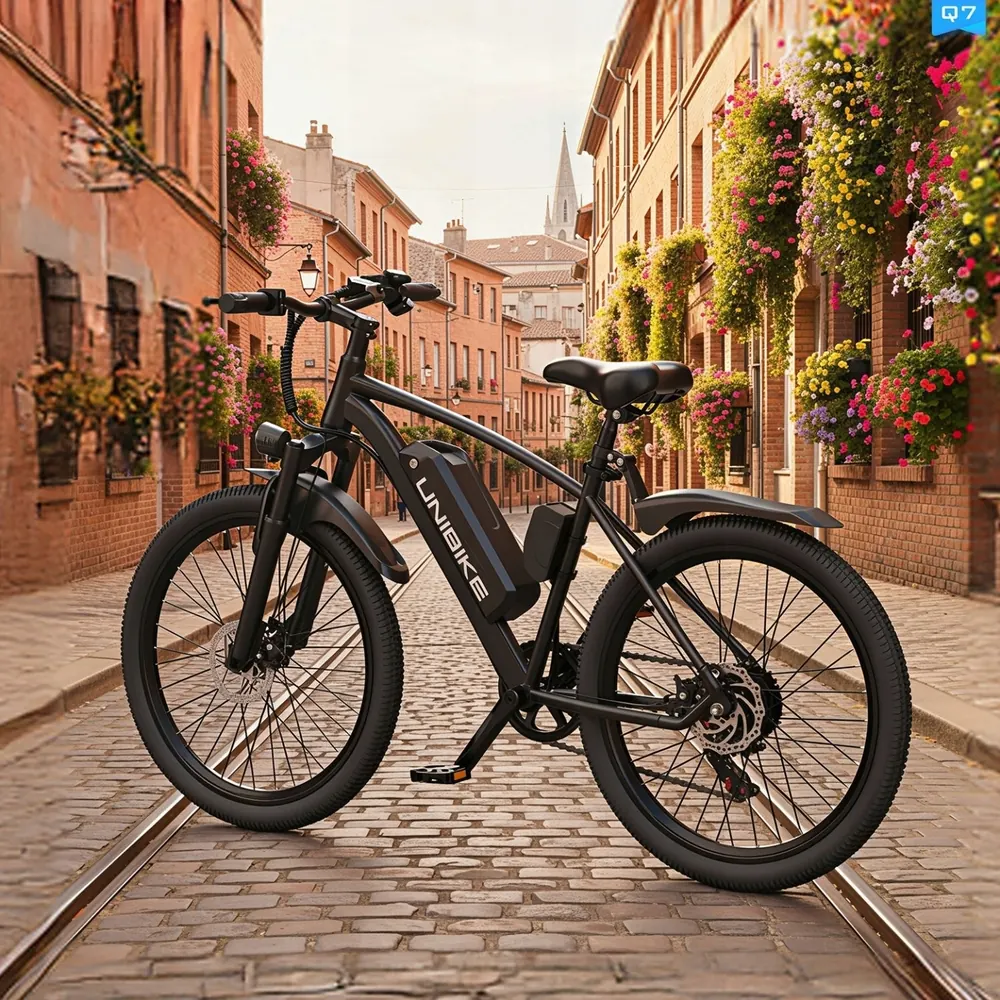
| AAIRSK Q7 Unisex Electric Bike | £499.00 | 250W | 47 Miles | 15.5 Mph | Road legal |
| Samebike RS-A02 Pro Fat Tire Off Road Ebike | £749.00 | 250W | 34 Miles | 15.5 Mph | Road legal |
| Samebike SY26-II Mountain Electric Bike | £549.00 | 250W | 56 Miles | 15.5 Mph | Road legal |
Buying your first electric bike feels exciting, but it can also be a bit confusing. With so many models and technical terms, where do you even start? This guide will walk you through every step, nice and simple.
We will help you understand the different types of e-bikes, what to look for in a motor and battery, and how to stay within UK law. By the end, you will feel ready to pick the perfect bike for your needs and budget.
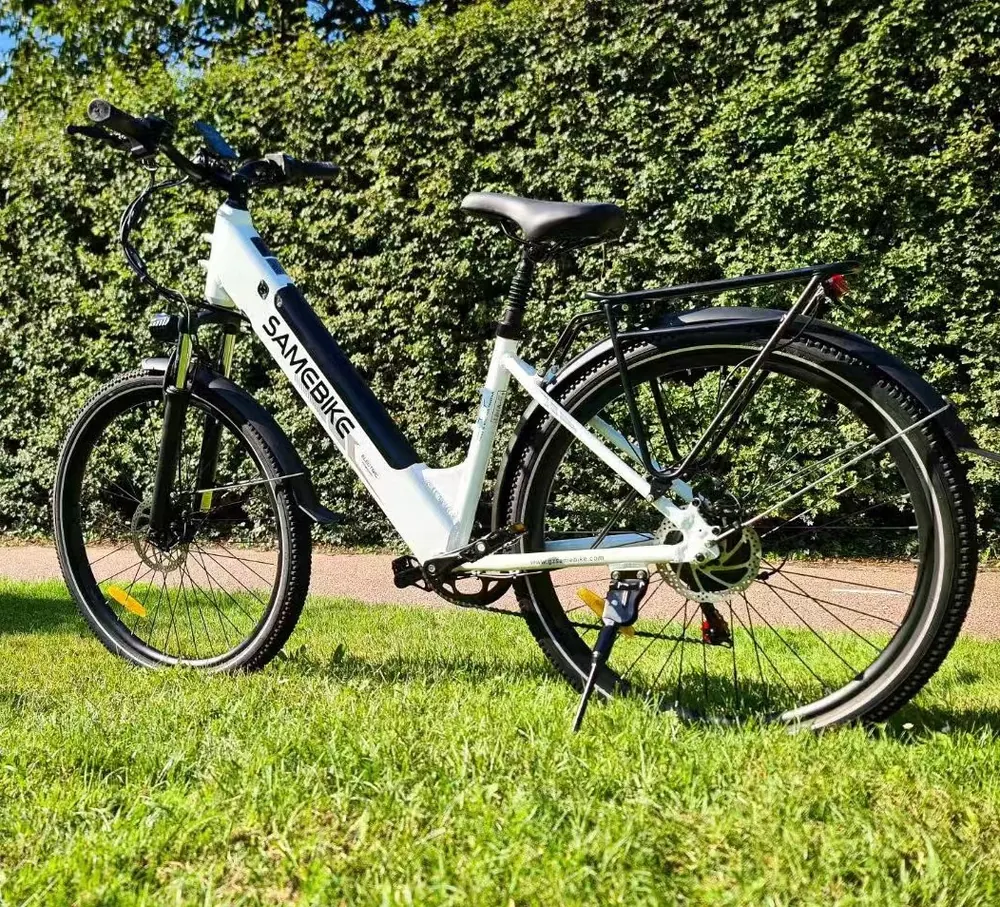
Understand the Different Electric Bike Types
Electric bikes come in several distinct styles, each built for a different kind of riding. Choosing the right type is the single most important first decision. It will affect your comfort, speed, and where you can ride.
City and Commuter E-Bikes
City bikes are the most popular choice for everyday journeys. They put you in an upright, comfortable position so you can see traffic easily. Most come with mudguards, lights, and a rack ready to go.
They are perfect for smooth roads and bike paths. A good example is the DYU C2 City Electric Bike, which offers a relaxed ride and practical features for daily commutes of up to 30 miles.
Mountain E-Bikes (e-MTBs)
Mountain e-bikes are built for off-road fun. They have chunky tyres, powerful suspension, and a frame geometry that keeps you in control on rough trails. The motor gives you a welcome boost up steep hills.
If you love weekend adventures in the countryside, look for a model with front or full suspension. The AAIRSK GT900 Mountain Electric Bike is our best-selling entry-level trail bike, giving you real capability without breaking the bank.
Folding Electric Bikes
Folding bikes are the clever space-saving option. They collapse down in seconds so you can carry them onto a train or store them under a desk. You sacrifice a little ride smoothness for huge practicality.
They work brilliantly for mixed journeys where you ride part of the way and use public transport for the rest. Take a look at our range of folding electric bikes to see how compact they can get.
Cargo E-Bikes
Cargo bikes put a large, sturdy rack at the front or back. They let you carry heavy shopping, work tools, or even your kids. The long wheelbase makes them feel amazingly stable, even when fully loaded.
More UK families are using cargo bikes instead of a second car for the school run. We are adding more cargo bike models soon to meet this growing demand.
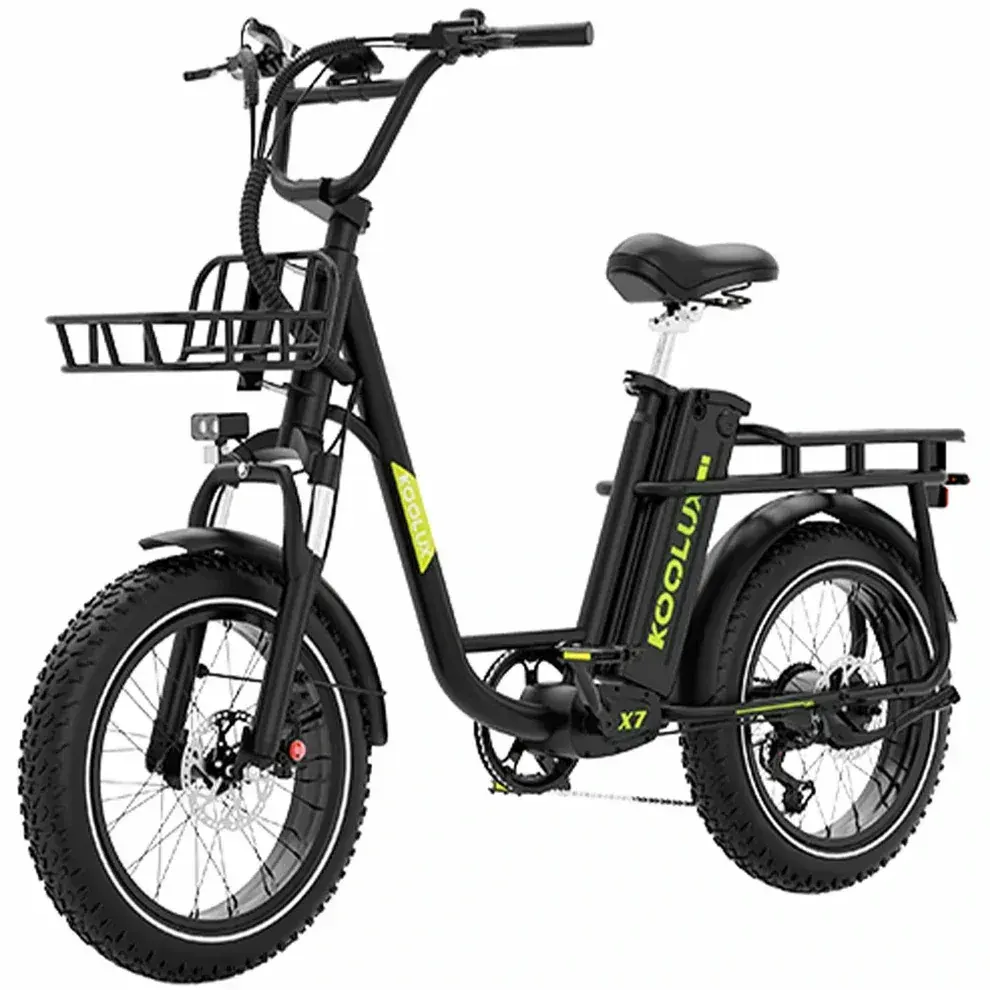
Get to Grips with Motor and Battery Tech
The motor and battery work together as the heart of your e-bike. Understanding the basics will help you avoid buying a bike that is too weak for your hills or too slow for your commute. These are the two components that define your real-world experience.
Motor Placement: Hub vs Mid-Drive
Hub motors sit inside the front or rear wheel hub. They are simpler, quieter, and very common on more affordable e-bikes. A rear hub motor gives a natural feeling of being pushed along from behind.
Mid-drive motors sit in the middle, driving the bike's chain. They feel more balanced and climb hills brilliantly because they pull through the gears. You tend to find them on pricier, high-performance bikes.
Battery Range and Charging
Battery capacity is measured in watt-hours (Wh). A 400Wh battery will typically take you 30 to 50 miles on a full charge, depending on how much you use the motor and the terrain. Always expect less range in cold weather.
Charging is simple: you can often remove the battery to plug it in indoors. Most batteries last for 500 to 800 full charges before they start to lose significant capacity. Think about your longest regular journey to pick the right size.
Here is a quick look at what battery sizes can deliver on a typical UK commute:
- 250Wh–400Wh: 20–40 miles, good for short city hops.
- 400Wh–500Wh: 40–60 miles, perfect for most commuters.
- 500Wh+: 60+ miles, ideal for long countryside rides or delivery work.
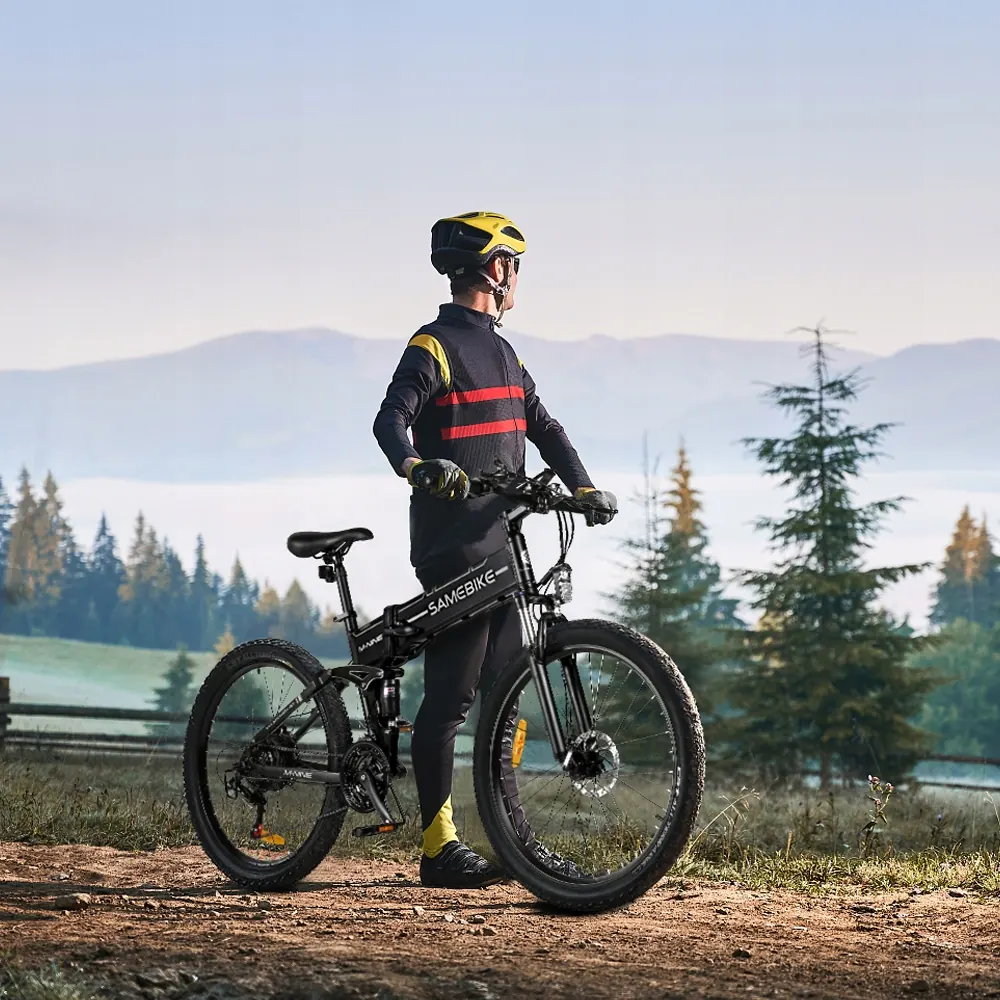
Know the UK Electric Bike Laws
In the UK, you do not need a licence, tax, or insurance for a standard electric bike if it follows certain rules. These are called Electrically Assisted Pedal Cycles (EAPCs). The rules are set out clearly by the government.
The motor must be no more powerful than 250 watts. It must cut off any electric assistance once you hit 15.5 mph. You still have to pedal to make the motor work, twist-and-go throttles are only legal up to 3.7 mph without pedalling.
Riders must be at least 14 years old. You can ride your EAPC on cycle paths, roads, and anywhere a normal push bike is allowed. To read the full legal text, check the official government website.
If a bike has a more powerful motor or a throttle that works without pedalling above the walking-speed limit, it becomes a moped or motorcycle in the eyes of the law. You then need to register, tax, and insure it, and wear a helmet. Always stick to the EAPC rules for everyday convenience.
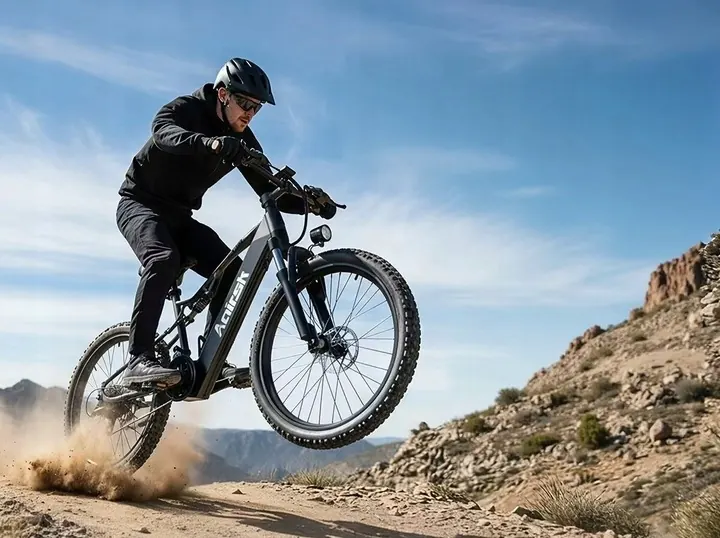
Set a Realistic Budget
Electric bike prices in the UK range from under £500 to over £5,000. Spending more generally gets you a lighter frame, a more sophisticated motor, and a longer-lasting battery. But great value exists at every level.
What You Get Under £1,000
Between £500 and £1,000, you can find a solid, reliable e-bike for city commuting or gentle trails. The frames might be a little heavier, and the motors are usually hub-driven. The AAIRSK SU7 City Electric Bike is a perfect example of what smart money buys you.
At this price, look for a reputable brand that offers a good warranty. Make sure the battery is from a known manufacturer. These bikes will happily handle a 10-mile daily commute and keep you smiling.
Mid-Range and Premium Options
From £1,000 to £2,500, you step into lighter alloy frames, more refined mid-drive motors, and bigger batteries. You also start seeing integrated lights and better brakes. These are bikes built for heavier, longer-distance use.
Above £2,500, you are paying for premium components, top-end suspension, carbon belts instead of chains, and very lightweight builds. For most beginners, the sweet spot of value is between £600 and £1,200.
Get the Size and Fit Right
A bike that does not fit you will become a very expensive ornament. You need to be able to touch the ground comfortably when stationary and reach the handlebars without stretching. Good fit means you ride more often.
Most city and hybrid e-bikes come in small, medium, and large frame sizes. Use the manufacturer's height guide to start, but always try a similar bike if you can. Stand-over height is key: you want about an inch of clearance above the top tube.
Think about step-through frames if you have limited mobility or simply prefer an easy mount. They have no high top tube, so you can just step on and go. Older riders and people wearing work clothes often prefer them.
Look Closely at Gears and Brakes
Gears and brakes can make or break your daily riding experience. You do not need a huge number of gears, but you do need enough range to climb your local hills. Brakes must be strong and reliable in all weather.
Most e-bikes use either a single chainring with 7 or 8 rear gears, or a simple internal hub gear. This keeps things low-maintenance. Avoid overly complex dual-chainring setups on an e-bike; you rarely need them.
Disc brakes are now the standard on electric bikes. Mechanical discs are good, but hydraulic discs are better, they require less hand effort and self-adjust. In wet UK weather, disc brakes give you consistent stopping power that rim brakes cannot match.
Consider Tyres, Suspension, and Comfort
What you ride on dictates the tyres you need. Smooth, thin tyres roll fast on tarmac. Wider, knobbly tyres grip mud and gravel. Your choice here directly affects battery range and ride comfort.
For mostly road use, a tyre width of 1.5 to 2 inches is perfect. Light gravel paths need about 2 to 2.4 inches. If you plan to ride on sand or snow, a fat bike like the A-SPADZ Cavet Air Fatbike uses enormous 4-inch tyres that float over soft ground.
Suspension: Do You Need It?
A basic front suspension fork takes the sting out of potholes and rough roads. It adds weight, but most city commuters find it worth it. You do not need full suspension unless you ride serious off-road trails.
Many good hybrid bikes use wide tyres and a carbon fork to smooth the ride without the extra maintenance of a suspension fork. For pure city riding, a rigid fork with plump tyres can be more efficient and surprisingly comfortable.
Here are some benefits of wider tyres on an e-bike:
- They absorb road buzz, reducing fatigue.
- They grip better on loose surfaces and wet roads.
- They allow lower air pressure for extra cushioning.
Think About Accessories and Aftercare
Most of our bikes come with the essentials: mudguards, lights, and a kickstand. You will still need a good lock, a helmet, and perhaps a phone mount. Budget £50 to £100 for these extras right from the start.
Aftercare matters. An e-bike is a machine with more to look after than a typical bicycle. You need to keep the chain lubricated, check brake pads, and occasionally have the motor firmware updated. Your local bike shop can help.
It is also wise to learn some basic maintenance yourself. Cleaning the bike regularly and storing the battery at room temperature will add years to its life. Registering your bike with BikeRegister is another smart move for security.
Put It All Together and Decide
You now know the key pieces of the puzzle: bike type, motor, battery, legal limits, budget, fit, and components. The final step is to match these to your real life. Do not buy a mountain bike if you only ride on the road. Do not buy a tiny folder if you have a 20-mile commute.
Write down your top three needs. Maybe it is 'easy to store', 'can handle hills', and 'under £800'. Then browse our full range of electric bikes and filter by those criteria. Look for bikes that tick your boxes.
If two bikes look equally good, pick the one that makes you smile. An e-bike should bring joy to the dullest Tuesday morning. If you are still stuck, our detailed buyer guides compare specific models side by side, like our AAIRSK GT900 deep dive.
Frequently asked questions
Do I need a licence to ride an electric bike in the UK?
No, you do not need a licence, tax, or insurance for a standard electric bike as long as it meets the EAPC rules: motor no more than 250W, assistance cuts off at 15.5 mph, and the rider is 14 or over.
Can I ride an electric bike in the rain?
Yes, all our electric bikes are designed to handle wet weather. The electrical components are sealed. Just avoid submerging the battery or motor, and dry your bike after riding to prevent rust.
How long does the battery last before needing replacement?
A good lithium-ion battery typically lasts 3 to 5 years or 500–800 full charge cycles. You will notice the range gradually decreasing. Storing the battery at room temperature and keeping it partially charged when not in use helps extend its life.
Can I ride an electric bike without the motor on?
Absolutely. You can pedal them just like a normal bicycle, though they feel heavier. Most e-bikes have different assistance levels, so you can choose a low setting when you want more exercise and turn it off completely if you wish.