Are Electric Bikes Road Legal in the UK? Complete 2026 Guide
Confused about e-bike laws? Our 2026 guide explains everything: the 15.5mph limit, 250W motor rule, pedal-assist requirements, age limits, and where you can legally ride your electric bike on UK roads.

The line-up compared
| Model | Price | Motor | Range | Top speed | UK road status |
|---|---|---|---|---|---|
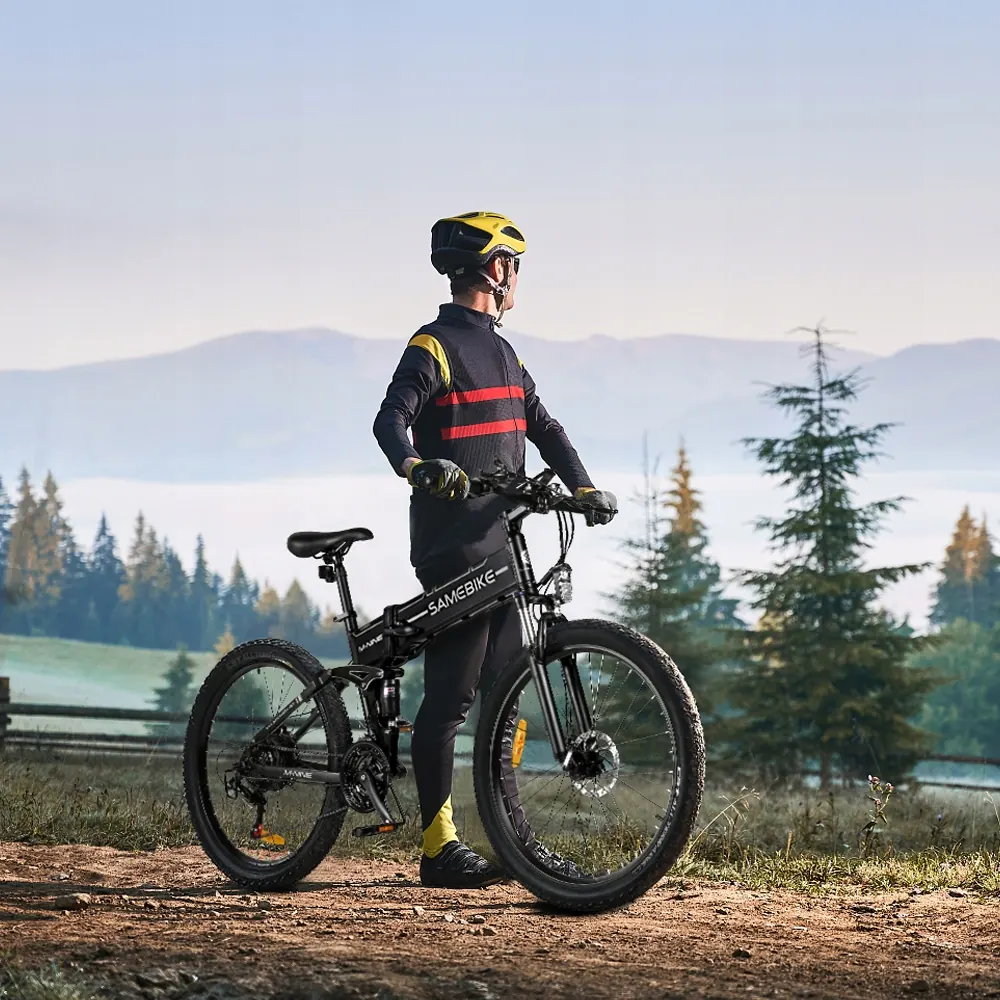
| SAMEBIKE LO26-II-FT-YD Folding Electric Bike | £689.00 | 900W | N/A | 21.8 Mph | Private land only |
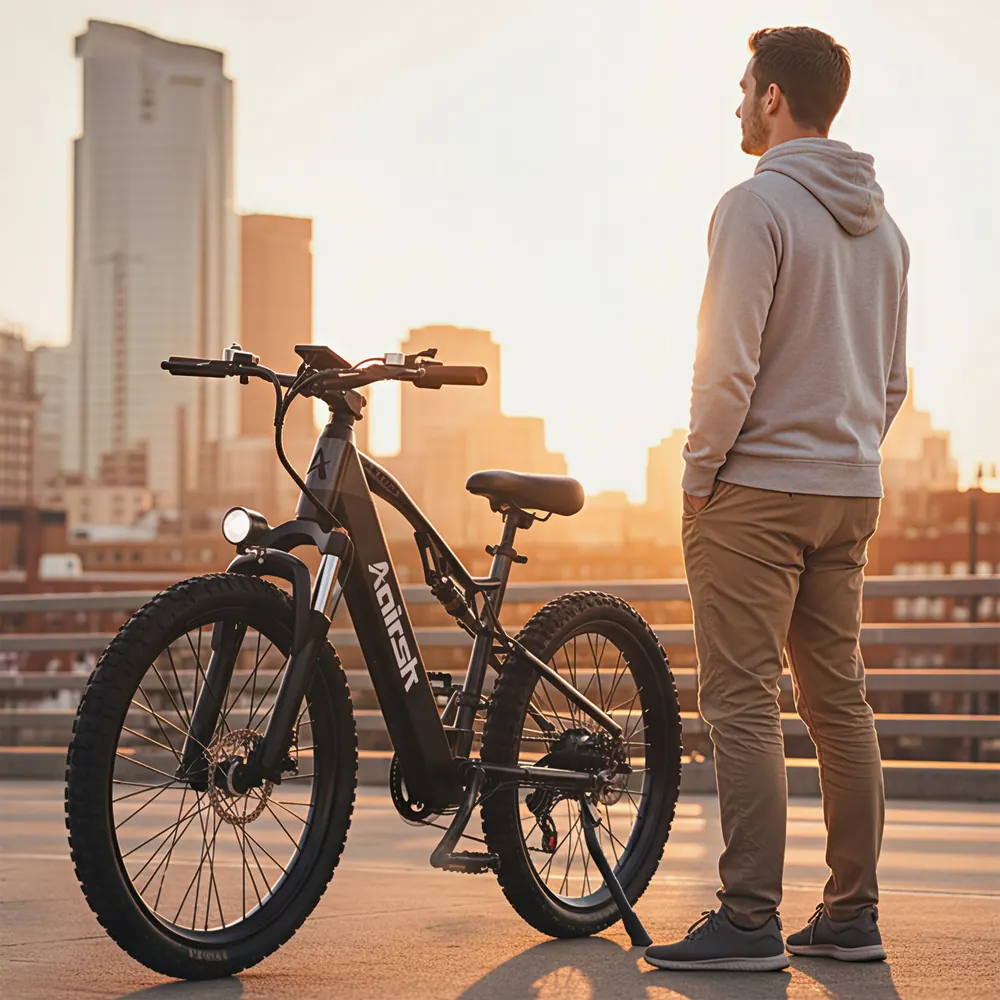
| AAIRSK XT90 Electric Mountain Bike | £699.00 | 750W | 50 Miles | 28.0 Mph | Private land only |
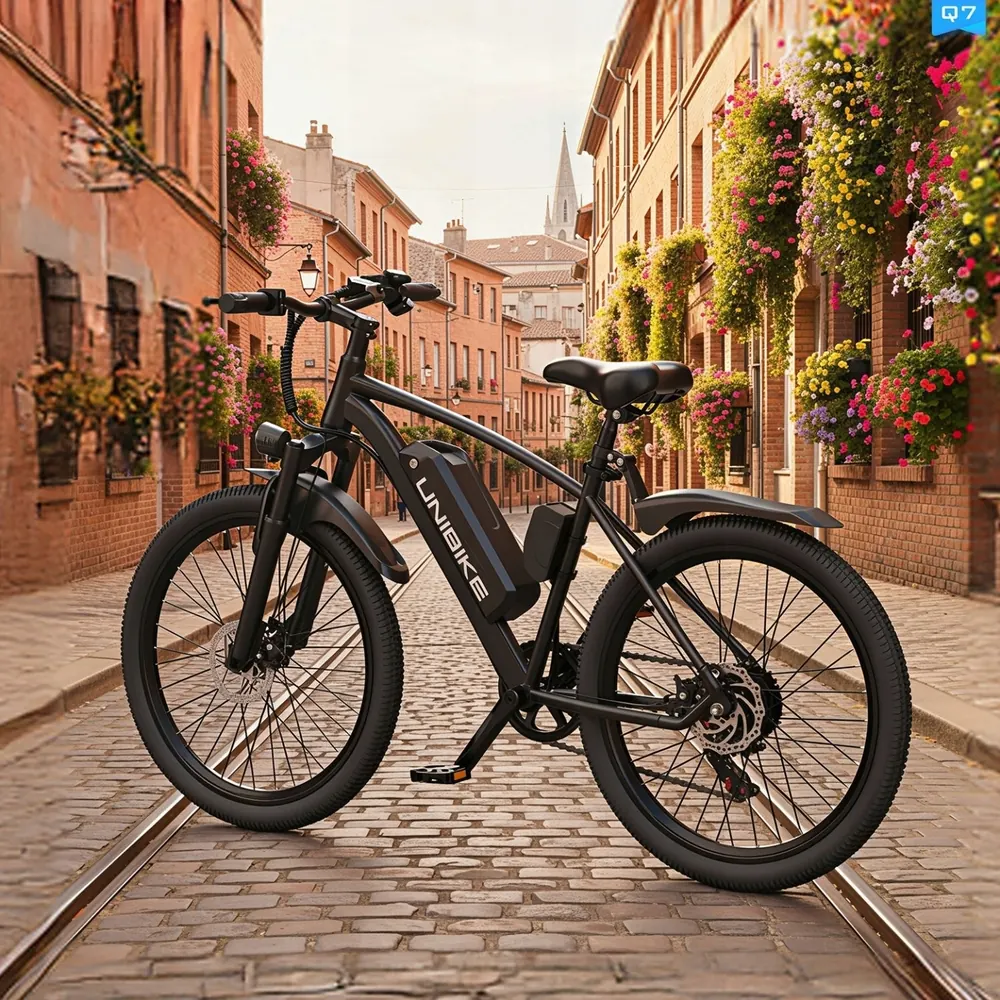
| AAIRSK Q7 Unisex Electric Bike | £499.00 | 250W | 47 Miles | 15.5 Mph | Road legal |
| Samebike RS-A02 Pro Fat Tire Off Road Ebike | £749.00 | 250W | 34 Miles | 15.5 Mph | Road legal |
| Samebike SY26-II Mountain Electric Bike | £549.00 | 250W | 56 Miles | 15.5 Mph | Road legal |
| SAMEBIKE RS-A01 Pro Electric Bike | £549.00 | 250W | 56 Miles | 15.5 Mph | Road legal |
Electric bikes have taken the UK by storm. They offer a clean, easy way to zip through traffic or tackle hills without breaking a sweat. Before you buy, you need to know the law. Rules about e-bikes on public roads changed in 2016 and they stay clear in 2026. This guide spells out exactly what makes an e-bike road legal in the UK.
We cover the official EAPC definition, where you can ride, age limits, insurance, and what happens if you modify your bike. We also recommend some Biktron e-bikes that tick every legal box. Ride confidently by knowing your obligations.
1. What Makes an E-Bike Road Legal in the UK?
The Electrically Assisted Pedal Cycle (EAPC) Definition
UK law calls a road-legal e-bike an Electrically Assisted Pedal Cycle, or EAPC. This definition comes from the government’s e-bike rules page. An EAPC is treated as a normal bicycle, not a motor vehicle. That means no registration, tax, or driving licence is needed.
The bike must have pedals that can propel it. The electric motor is there to assist, not replace, your pedalling. If the bike can move without you pedalling above a very low speed, it’s not an EAPC and is illegal on public roads.
Key Requirements for EAPCs
To be road legal, your e-bike must meet all these rules. The motor’s continuous rated power cannot exceed 250 watts. The motor must cut out when you reach 15.5 mph. The bike must display the maximum power output and the manufacturer’s name. It also needs a visible CE marking or equivalent post-Brexit UKCA mark.
These rules are set out in the Electrically Assisted Pedal Cycles Regulations 2015. If your bike meets them, you can ride it like a pushbike. You must still follow the Highway Code and general cycling laws. Lights and reflectors are required at night. A bell is advisable.
Most e-bikes sold by Biktron, such as the AAIRSK SU7 City Electric Bike, are built to these exact standards. Check the product specs to confirm the 250W motor and 15.5 mph cut-off. That’s your quick sign of a road-legal machine.
2. E-Bike Classification: Pedelecs vs Throttle Bikes
Pedelecs – The Standard Road-Legal E-Bike
A pedelec is a bike where the motor helps only while you pedal. The moment you stop pedalling, the motor stops. This type is the only fully road-legal e-bike under UK law. All the Biktron city and hybrid models are pedelecs.
The system feels natural. You choose a power level and the motor matches your effort. You still get a good workout without arriving sweaty. Models like the DYU C2 City Electric Bike have smooth cadence sensors that react instantly.
Throttle-Controlled E-Bikes – Not Road Legal
Some e-bikes have a twist-and-go throttle that moves you without pedalling. Since 2016, throttles that operate above walking pace are illegal on public roads. They classify the bike as a moped, which needs tax, insurance, and a licence. You can ride throttle bikes on private land only.
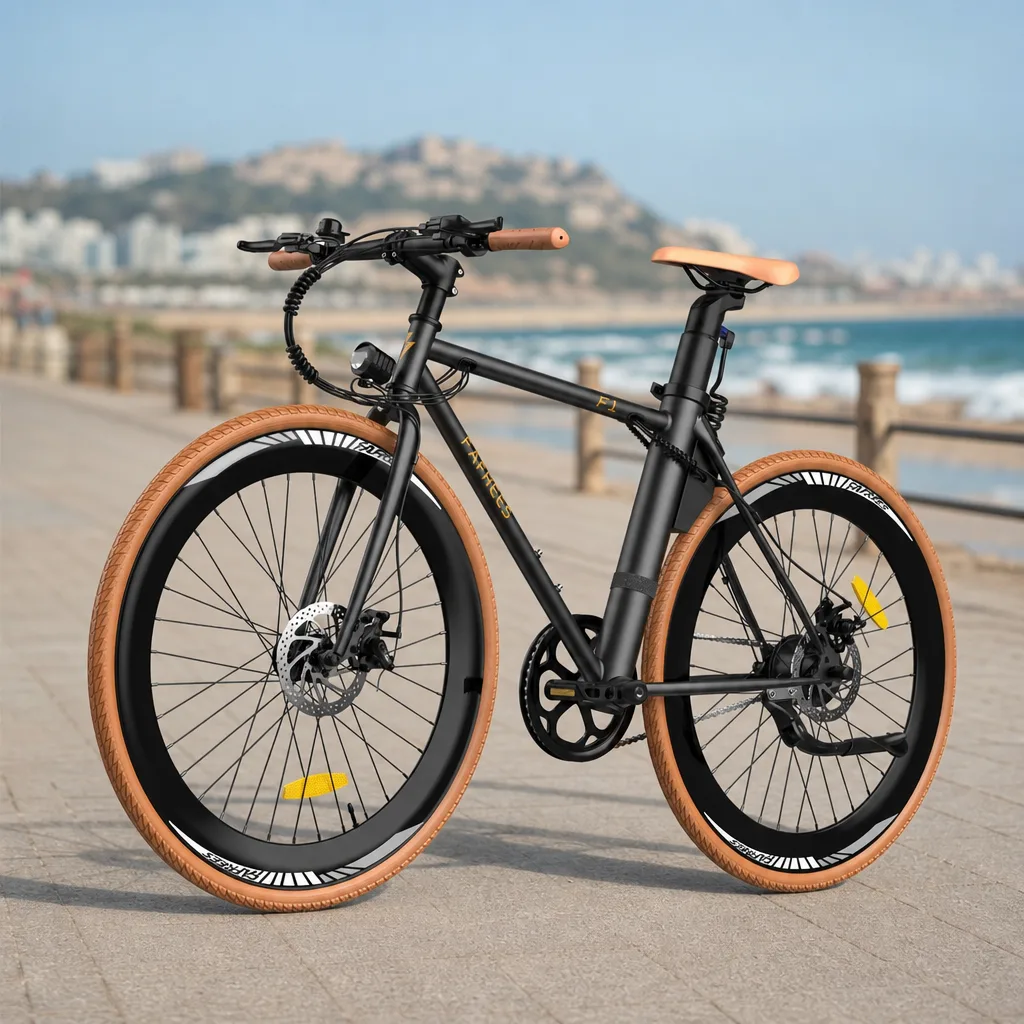
There is one exception: a throttle that assists up to 3.7 mph is allowed for starting off. This is sometimes called walk-assist mode. It helps you push the bike. Beyond that, you must pedal. If you want no legal worries, choose a pedelec-only model. Biktron’s road collection, like the FAFREES F1 Road Electric Bike, does not rely on throttles.
3. Where Can You Ride an Electric Bike?
Public Roads and Cycle Lanes
You can ride an EAPC anywhere a normal bicycle may go. That means all public roads except motorways. You can use cycle lanes and cycle tracks (routes away from traffic). You must obey traffic signs and signals. Ride in the centre of the lane when it is safer. Do not ride on footpaths unless there is a cycle track sign.
On roads, motorists must treat you like any cyclist. Give clear hand signals. Use lights when it’s dark. The Highway Code applies fully. Sustrans, the active travel charity, has plenty of route planning advice for cyclists.
Cycle Tracks and Shared-Use Paths
Shared paths are common in towns and parks. Pedestrians have priority. Ride slowly and give way. A bell helps a lot. Some paths have speed limits; 10 mph is a good guide. EAPCs are welcome, but if you ride too fast, you risk a very grumpy response.
For commuting, a folding e-bike like the DYU A5 Folding City Electric Bike is brilliant. You can ride to the station, fold it, and carry it on. Just be mindful on busy platforms.
Off-Road and Private Land
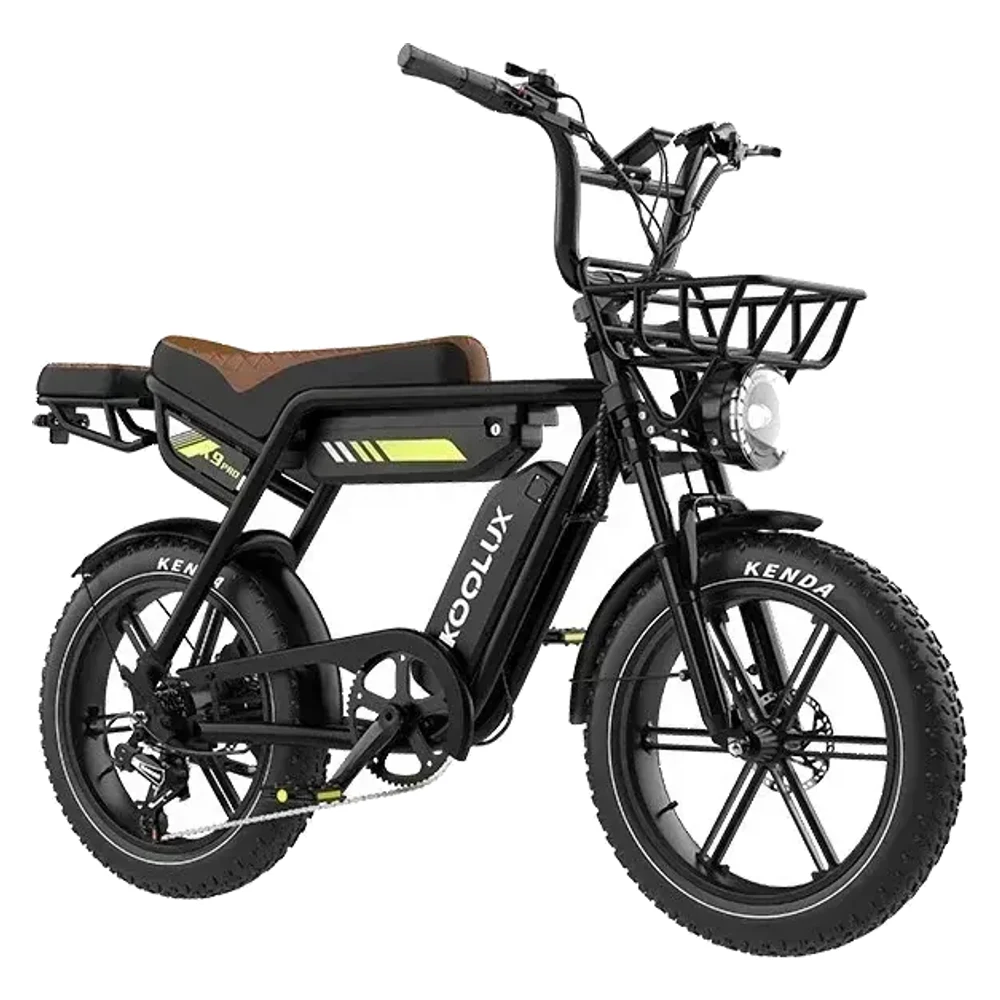
On bridleways, byways, and forest trails, the rules are trickier. Many allow pedal bikes but not e-bikes. Check local signage. If in doubt, walk your bike. For serious off-road fun, Biktron offers models designed for private land, like the KOOLUX X3 Off-Road Electric Vehicle. Its fat tyres and power make it ideal for trails where e-mountain bikes are permitted.
Never assume you can ride an e-bike on a footpath. That’s illegal unless it is also a designated cycle route. Stick to the roads and cycleways, and you’ll stay on the right side of the law.
4. Do You Need Insurance, Tax, or a Licence?
No Registration, Tax, or MOT
Because an EAPC is a bicycle, you don’t need vehicle excise duty (road tax). There is no requirement for an MOT certificate. You don’t need to register the bike with the DVLA or display a number plate. A driving licence is not needed either. That saves a lot of paperwork.
This makes e-bikes a very affordable transport option. Just buy, hop on, and go. The savings compared to a car or even a moped add up quickly. All the bikes in our City Bikes range are EAPCs, so none require licensing.
Insurance Is Optional but Recommended
Insurance is not a legal must. But many riders take out cover for theft, damage, and third-party liability. If you knock someone over, you could be liable for their costs. Cycling UK offers membership that includes public liability insurance. Check their website for details.
Home contents insurance sometimes covers a bicycle, but check the limit. Specialist bike insurers understand e-bikes and offer agreed-value policies. If you park on the street, theft cover is wise. For a small annual fee, you can ride with peace of mind.
5. Age Limits and Safety Requirements
Minimum Age to Ride
In the UK, you must be at least 14 years old to ride an EAPC on public roads. This rule applies even if you are on a cycle path. For private land, any age is fine if the landowner agrees. But for daily school runs or paper rounds, 14 is the legal minimum.
If you are buying for a younger rider, wait until they turn 14. A normal bicycle is the only option until then. Biktron’s most compact models, like the DYU D3F Folding Electric Bike, are very easy to handle but still child-friendly in size.
Helmets and Safety Gear
Cycle helmets are not compulsory, but they are strongly recommended. A properly fitted helmet can save your life. The Highway Code suggests all cyclists wear a helmet. Many parents insist on one for children. We advise wearing one every ride.
Reflective clothing and functioning lights are essential after dark. A pair of rechargeable LED lights costs very little. Make sure your e-bike has a red rear reflector. Some models like the AAIRSK SU7 City Electric Bike come with built-in lights and mudguards, saving you an extra purchase.
6. What About Speed Limits and Power?
The 15.5 mph Assisted Speed Limit
The motor must cut out when you reach 15.5 mph. You can pedal faster under your own steam, but the motor will not help. This speed was chosen to keep e-bikes in the same category as push bikes. It is a safe speed for mixed traffic and shared paths.
If you regularly cycle above 15.5 mph, you probably don’t need electric assistance. But for hills and headwinds, the motor is a game-changer. On flat roads, you’ll quickly hit the cut-off. That’s normal. It just means your bike is working as designed.
Motor Power Limit: 250 Watts
The motor’s continuous rated power must not exceed 250 watts. This is not the peak power. Many 250W motors can briefly output 400-600 watts. That burst helps you pull away from traffic lights. As long as the manufacturer’s label says 250W, the bike is legal.
Some e-bikes are sold with higher ratings for off-road use. If the label says 500W, you cannot ride it on UK roads. Always check the specification plate. At Biktron, our road bikes like the FAFREES F1 Road Electric Bike clearly display a 250W rating and 15.5 mph limit.
7. Modifying Your E-Bike: What’s Legal and What’s Not
Speed Limiters and Derestriction
Some riders attempt to remove the speed limiter to go faster than 15.5 mph under power. Doing this makes the bike a motor vehicle in the eyes of the law. You would then need a driving licence, insurance, tax, and MOT. If caught, you could face fines, points on your licence, and seizure of the bike.
Derestriction kits are sold online, but using them on public roads is illegal. Do not be tempted. The 15.5 mph limit is there for safety. If you want more speed, consider a traditional motorbike or moped.
Off-Road Only Modifications
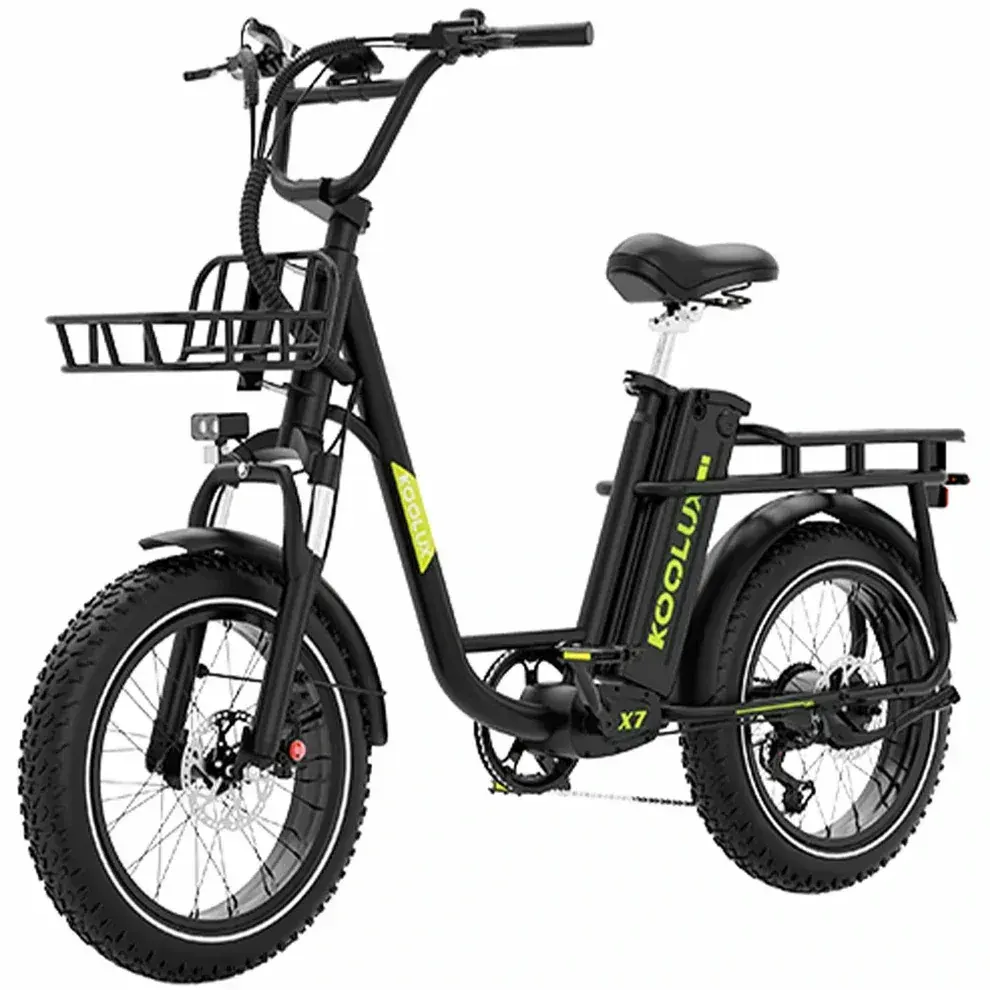
Modifying for off-road use on private land is allowed. The KOOLUX X3 Off-Road Electric Vehicle is already a powerful machine for private tracks. You can tweak it further if you stay off public highways. Just remember to reinstate the limiter if you ever need to ride on a road.
Always check with your insurer if you modify. It may void theft cover. For the vast majority of riders, leaving the bike as it came from the factory is the best choice. Enjoy the legal assistance and do not risk an unwanted brush with the law.
8. Choosing a Road-Legal Electric Bike from Biktron
Our Range of Compliant E-Bikes
Every e-bike in Biktron’s City Bikes and Folding Bikes collections is an EAPC, but not every one of them is: those two collections also hold higher powered models, sold for private land only, and each listing says which it is. Pick one of the 250W bikes and you can ride it home and straight onto the road. The DYU C6 City Electric Bike has a sleek step-through frame and a handy rear rack. The DYU C9 Folding Electric Bike folds small enough to slide under a desk.
For longer commutes, the AAIRSK SU7 City Electric Bike offers a comfortable upright position and a punchy motor. If you want a lightweight road feel, the FAFREES F1 Road Electric Bike glides along effortlessly. All these models meet the 250W/15.5 mph rules and come with clear CE/UKCA marks.
What to Look For When Buying
Check the specification table on any model you like. Look for “Motor: 250W rear hub” or similar. Ensure the cut-off speed is listed as 15.5 mph. The bike must have functional pedals. All our road models rely on pedal assistance without a throttle. That is a key sign.
Consider your typical journey. A city bike suits potholed roads. A folding bike saves space. An electric mountain bike is great if you mix road and gentle trails, but check trail access. Biktron’s team can help if you call or email. We only sell bikes legal for UK roads.
9. Final Check Before You Ride
The EAPC Checklist
Here is a quick summary of the legal requirements for your electric bike:
- Maximum continuous motor power: 250W
- Motor cuts out at 15.5 mph
- Motor assists only while pedalling (throttle limited to 3.7 mph walk assist)
- Must have pedals that can propel the bike
- Must show manufacturer name and power output
- Must display CE or UKCA marking
- Rider must be 14 or older
If your bike ticks all these, you are good to go. Keep the original specification plate intact. It is proof of compliance.
Ride Responsibly
Beyond the legal technicalities, ride with common sense. Use lights at night. Give pedestrians plenty of room. Signal clearly. Obey traffic lights. Cycle respectfully on shared paths. Your e-bike is a vehicle of freedom, treat others how you’d like to be treated.
Regular maintenance also helps. Check your brakes and tyre pressure weekly. Keep the chain lubricated. A well-maintained e-bike is safer and more reliable. Enjoy the ride, and remember: the law is there to keep everyone safe.
Frequently asked questions
Do I need a driving licence to ride an electric bike in the UK?
No. Electrically Assisted Pedal Cycles (EAPCs) do not require a driving licence. As long as the bike meets the 250W/15.5mph rules, you can ride it from age 14 without a licence.
Can I ride an electric bike with a throttle on UK roads?
Not unless the throttle only works up to 3.7 mph (walk-assist mode). Throttles that move the bike without pedalling above that speed make it a moped, which needs tax, insurance, and a licence.
Are electric bikes allowed on cycle paths and shared-use paths?
Yes, EAPCs can be ridden on any cycle lane, cycle track, or shared-use path where normal bicycles are permitted. Always give way to pedestrians and ride at a considerate speed.
Can I modify my e-bike to go faster than 15.5 mph?
Modifying the speed limiter or motor power makes the bike illegal on public roads. It then counts as a motor vehicle, requiring tax, MOT, and a driving licence. You could be prosecuted.
What happens if I’m caught riding a non-compliant e-bike?
You could be stopped by the police. Penalties range from a warning to fines, penalty points on your driving licence, and seizure of the bike. In serious cases, you may be charged with traffic offences.