Varun M26-3 PRO vs M26-2: Folding or Fat Tyre for the Same £550?
Two Varun e-bikes sit at almost the same price, but one folds and one rolls on fat tyres. Here is how to pick the right one for your storage, commute and local roads.

The line-up compared
| Model | Price | Motor | Range | Top speed | UK road status |
|---|---|---|---|---|---|
| Varun M26-2 PRO Fat Tyre Electric Bike | £799.00 | 250W | 75 Miles | 15.5 Mph | Road legal |
| VARUN M26-3 PRO Folding Electric Bike | £549.00 | 250W | 50 Miles | 15.5 Mph | Road legal |
| VARUN M26-2 PLUS Fat Tyre Electric Mountain Bike | £809.00 | 250W | 99 Miles | 15.5 Mph | Road legal |
| Varun M26-2 Fat Tire Electric Bike | £550.00 | 500W | 50 Miles | 15.5 Mph | Private land only |
At around £550, two Varun bikes look very similar on paper. One folds away. The other rolls on wide fat tyres. Both use a legal 250W hub motor and promise easy electric miles.
This guide compares the Varun M26-3 PRO folding bike and the M26-2 fat tyre bike. We look at price, practicality, UK law and real-world range so you can choose with confidence.
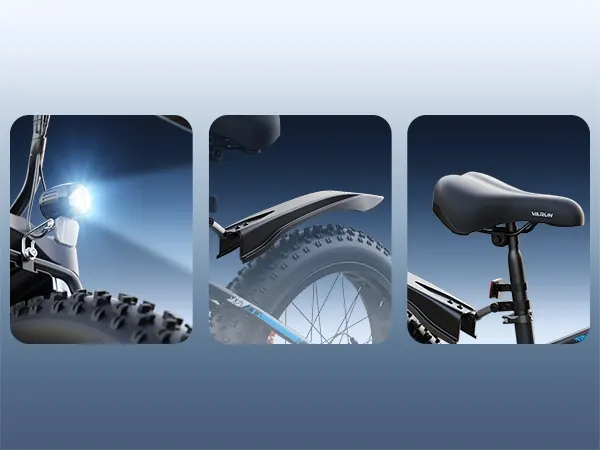
Two Varun bikes, one familiar price
The Varun range is built around simple, affordable e-bikes for everyday UK riders. These two models sit at the entry point, where every pound matters.
The Varun M26-3 PRO Folding Electric Bike costs £549, down from £649. The Varun M26-2 Fat Tire Electric Bike is £550, reduced from £650.
That one pound difference is not a misprint. Biktron has priced both bikes to attract riders who want a legal e-bike without spending four figures.
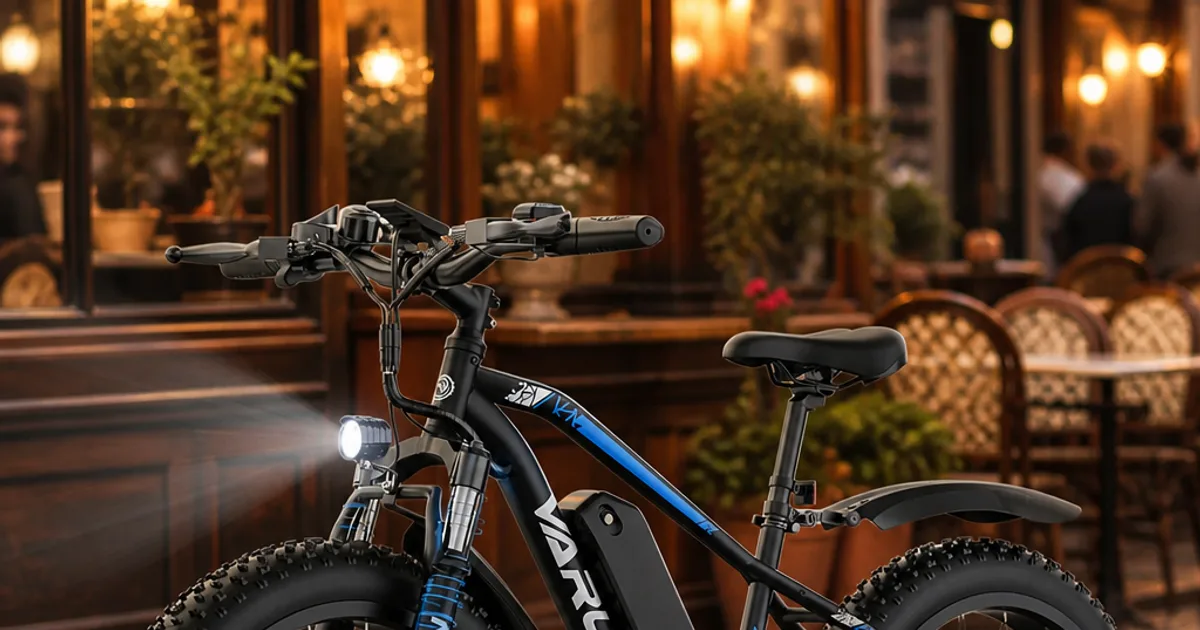
Both bikes use a 250W rear hub motor, which is the maximum continuous power allowed under UK EAPC rules. They also come with a removable battery, front suspension and mechanical disc brakes.
At this price, you should not expect hydraulic brakes or a torque sensor. The components are basic but serviceable, and spare parts are widely available online.
- 250W rear hub motor on both models
- Removable battery for charging indoors
- Mechanical disc brakes, not hydraulic
- Front suspension fork to take the sting out of bumps
Check the individual product pages for the exact battery capacity and gearing, because Varun has changed small details between batches.
What the M26-3 PRO folding bike gets right
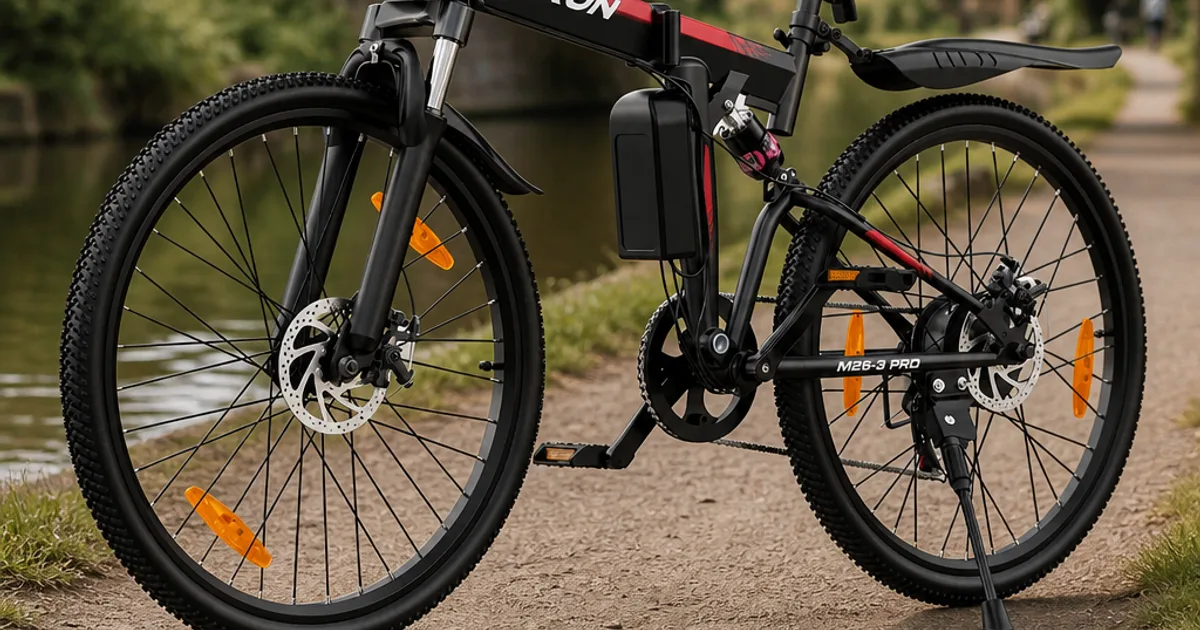
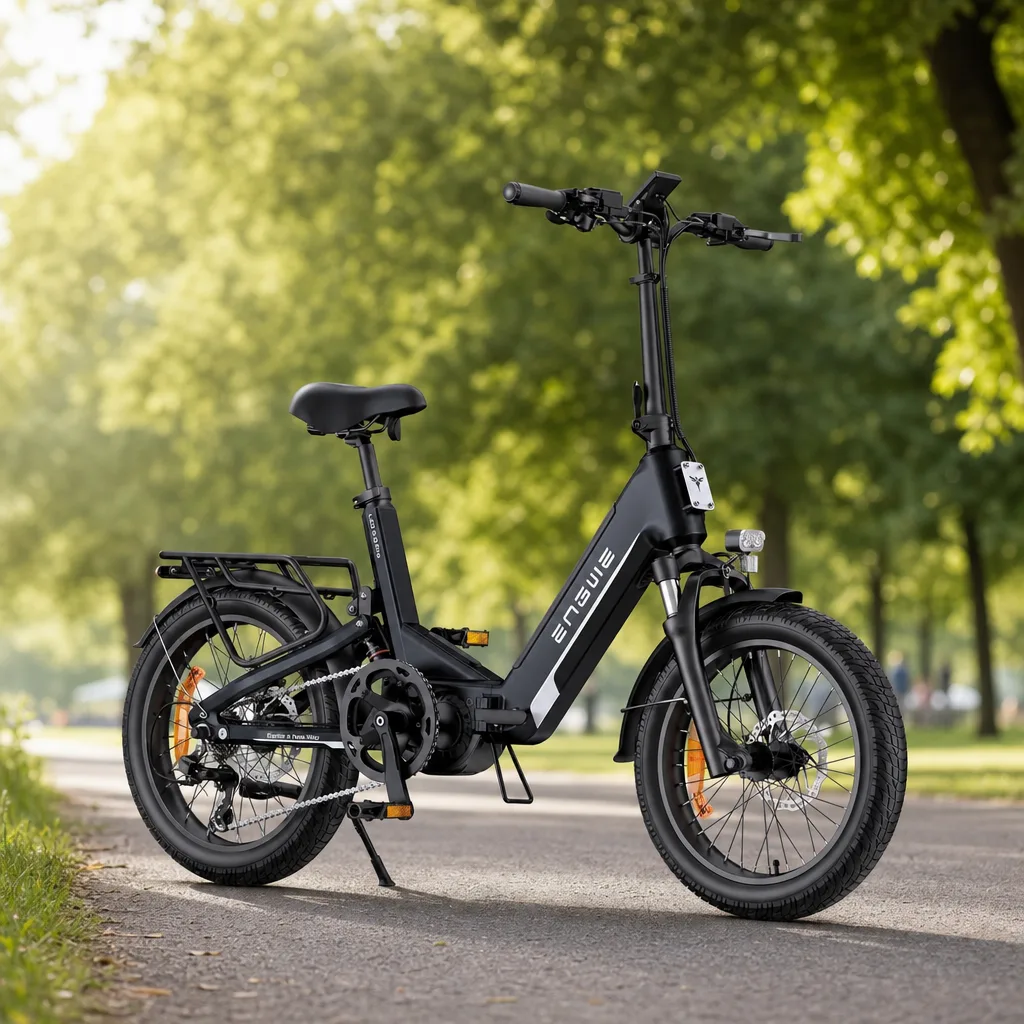
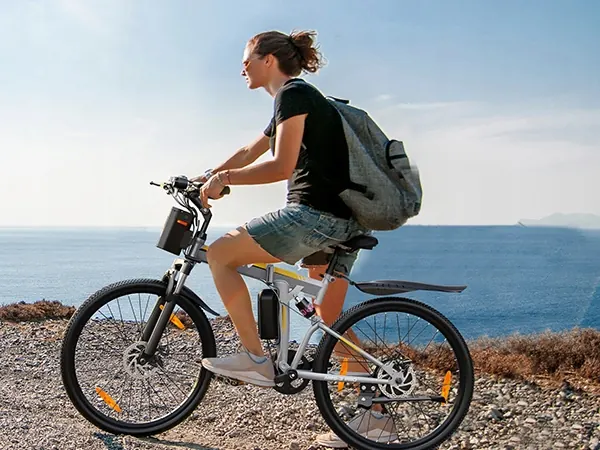
The stand-out feature of the M26-3 PRO is its folding frame. You can collapse it in under a minute and roll it through a doorway.
That matters if you live in a flat, keep the bike in a hallway, or need to take it on a train. Many UK train operators allow folded e-bikes, but check the specific company first.
The folding mechanism adds a little weight, but it buys you a huge amount of storage flexibility. You can put the bike in a car boot without a roof rack.
If your journey involves a train, a bus or a short walk to a secure rack, the M26-3 PRO makes sense. You can fold it at the station and carry it through the ticket gates.
It also works well for riders who have nowhere safe to lock a bike outside. Being able to bring the bike indoors reduces theft risk and weather damage.
The M26-3 PRO is not a tiny wheel folder like a Brompton, but it is compact enough for most UK homes.
- Folds down for flat or hallway storage
- Easier to take on trains and in car boots
- Reduces the need for outdoor locking
- Good for mixed-mode commutes
What the M26-2 fat tyre bike gets right
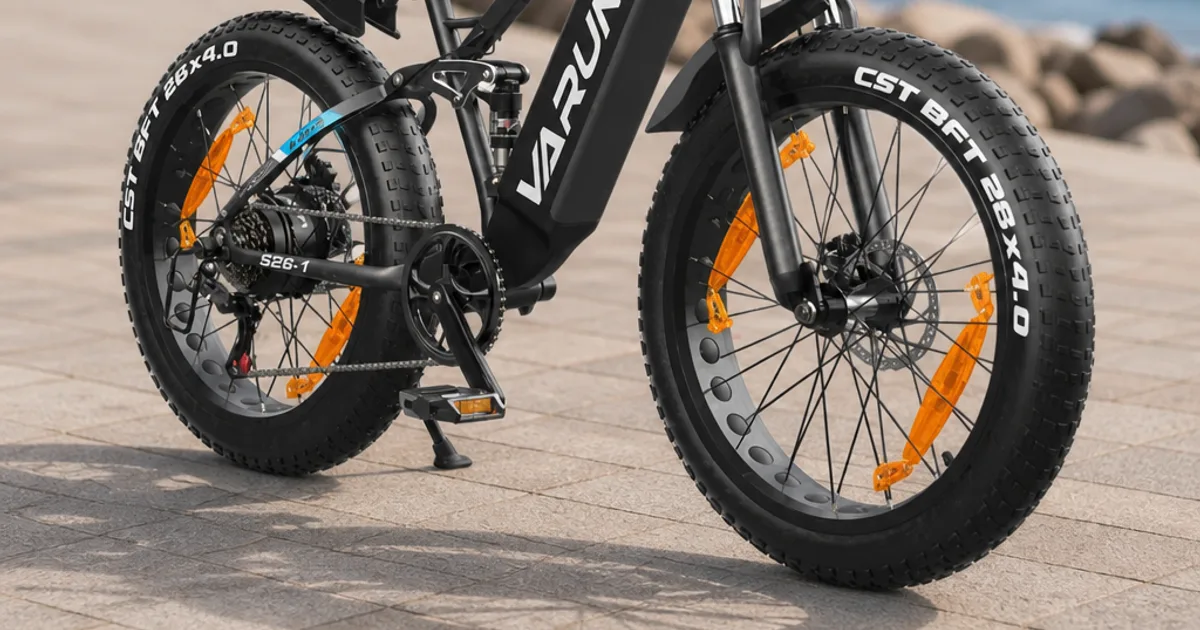
The M26-2 earns its keep with wide, chunky tyres. Those tyres spread your weight over a bigger contact patch, so you get more grip on loose or wet surfaces.
Fat tyres also act as a second suspension layer. They soak up potholes, tree roots and gravel, which makes the ride feel more stable than a skinny commuter tyre.
You do not need to be a mountain biker to benefit. If your local roads are rough or you enjoy canal towpaths, the M26-2 is the more comfortable choice.
Weekend riders who head to parks, bridleways or forest trails will appreciate the extra traction. The wide tyres give you confidence when the surface changes from tarmac to mud.
The M26-2 is not a full-suspension mountain bike, so keep it on moderate trails. It will handle grassy fields and gravel, but it is not built for big jumps or rocky descents.
- Wide tyres improve grip on wet and loose ground
- Extra cushioning over potholes and kerbs
- Feels stable on gravel and towpaths
- Good for leisure rides and light trails
Some buyers worry that fat tyres feel slow on tarmac. They do roll with a little more drag, but the 250W motor hides most of that effort.
Folding vs fat tyre: the practical differences
The biggest difference is not the motor or the battery. It is what happens when the ride is over. One bike shrinks down, and the other takes up a full sized footprint.
A folding bike can live behind a sofa or inside a wardrobe. A fat tyre bike usually needs a shed, a garage or a ground-floor hallway, because carrying it upstairs is hard work.
Weight also plays a part. Both bikes are heavy for their size, but the folded shape makes the M26-3 PRO easier to lift through a narrow doorway.
If you commute into a city centre, the folding M26-3 PRO is the more realistic daily bike. You can store it under a desk or in a cloakroom, and you do not need to leave it on the street.
The M26-2 is better if you have a dedicated bike shed or secure ground-floor storage. Once you have space, the fat tyres repay you with a plusher ride on bad roads.
Commuting and storage
Think about your daily routine before you choose. If your bike must share space with pushchairs, suitcases or a vacuum cleaner, the folding model wins.
If you have a garage or a covered parking spot at work, the fat tyre bike is just as easy to store. The extra width is only a problem in tight hallways.
Off-road and leisure
For canal paths, parks and bumpy back lanes, the M26-2 fat tyre bike is the stronger pick. Its tyres give you traction that a folding bike with narrower tyres cannot match.
The M26-3 PRO can still manage short gravel sections, but it is happiest on tarmac. Think of it as a portable commuter rather than a trail bike.
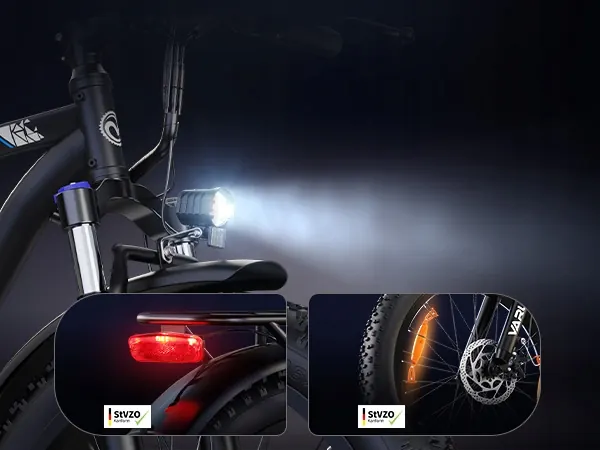
UK e-bike law: both are road legal
Both Varun models are sold as 250W bikes with a maximum assisted speed of 15.5 mph. That puts them in the Electrically Assisted Pedal Cycle category, often called an EAPC.
Under UK law, you can ride an EAPC on roads and cycle paths from age 14. You do not need a licence, tax, MOT or insurance, and you do not need to wear a helmet by law, though it is sensible.
The official rules are set out on GOV.UK's electric bike page. It explains the 250W limit and the 15.5 mph assisted speed in plain English.
For a broader history of electric bikes, see the Electric bicycle page on Wikipedia.
Watch out for throttles
Some budget e-bikes include a throttle that works up to 15.5 mph without pedalling. That is not legal on UK roads unless the bike is registered as a moped.
A legal EAPC throttle can only help you up to 6 km/h, about walking pace, unless you are pedalling. Check the exact throttle behaviour on the product page before you buy.
Both bikes are listed as 250W, so they should be EAPC compliant. If you ride sensibly, keep the assist at legal speeds and use lights at night, you will stay on the right side of the law.
Battery range and real-world expectations
Varun does not publish one universal range figure for these two models, because battery size can vary between batches. Similar 250W hub motor bikes typically manage 25 to 35 miles on flat ground.
That estimate comes from general e-bike guidance like the Cycling UK e-bike guide. In cold weather, on hills or with a heavier rider, real range drops by 20 to 30 percent.
Do not plan a 40 mile round trip on a single charge unless you know your route is flat and you can pedal without assist. Carry the charger if you are unsure.
How to get more miles per charge
- Use a lower assist level and pedal steadily
- Keep both tyres pumped to the pressure on the sidewall
- Avoid full throttle starts, they drain the battery quickly
- Charge the battery indoors at room temperature
Battery range is always an estimate, not a promise. Headwinds, stop-start city traffic and even a slightly soft tyre can knock several miles off your ride.
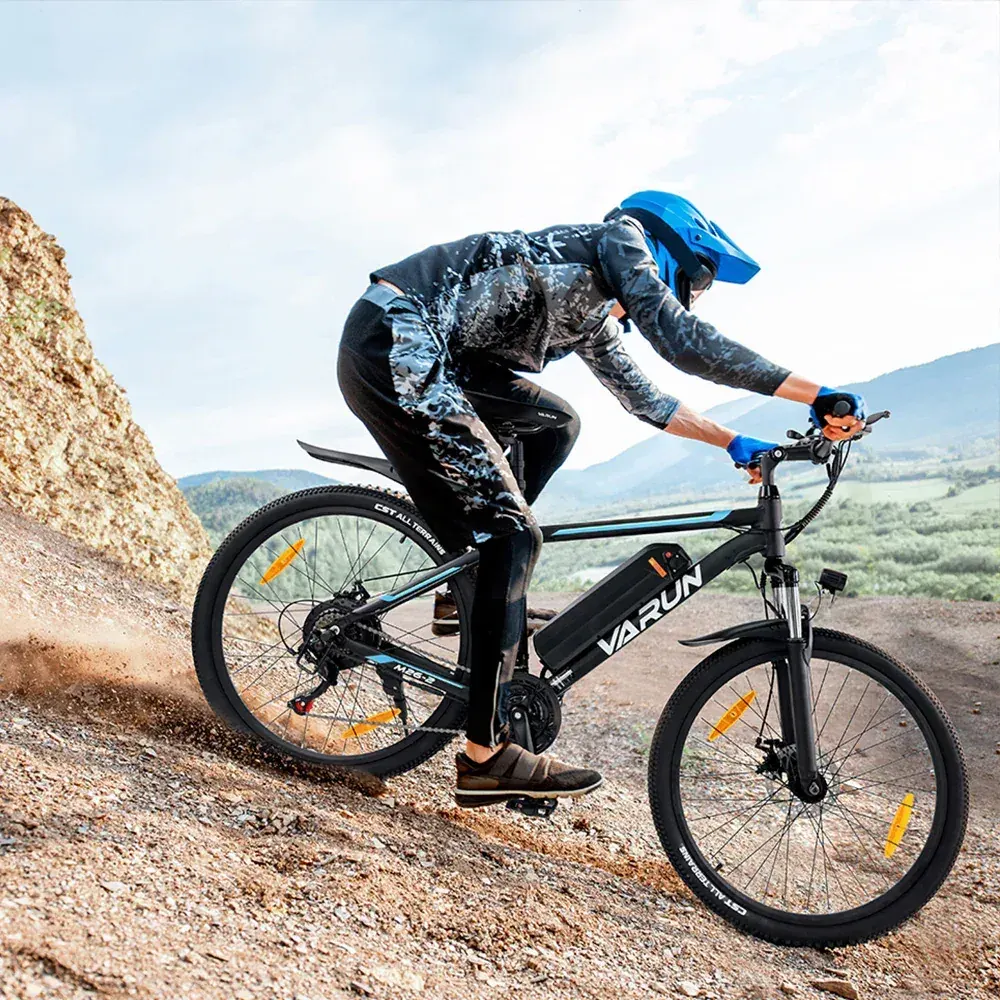
Comfort, weight and storage
Fat tyres are the biggest comfort upgrade on the M26-2. They absorb small bumps before the suspension fork even moves, which means less vibration through the handlebars and saddle.
The M26-3 PRO has a shorter wheelbase and a more upright riding position, which feels natural in town. However, its tyres are not as wide, so sharp potholes will hit harder.
Weight is similar on paper, but how you carry it matters. A folded M26-3 PRO is bulky but manageable. A full-size fat tyre bike is awkward to lift up stairs or onto a train.
Where will you keep it?
This is the question that decides most purchases. If the bike must live inside a small flat, the folding M26-3 PRO wins by a mile. If you have a shed or secure outdoor space, the M26-2 becomes practical.
- Flat or small hallway: choose the folding M26-3 PRO
- Ground floor with shed: the M26-2 fat tyre is fine
- Train commute: folding bike is far easier
- Rough local roads: fat tyre bike is more comfortable
Do not forget about maintenance. Wider tyres cost a little more to replace, and folding hinges need a drop of oil every month or two.
Which Varun should you buy?
For most UK riders who need an everyday commuter and live in a flat or use public transport, the M26-3 PRO folding bike is the smarter buy. It stores easily and still handles city streets well.
If your riding is mostly leisure, canal paths or rough tarmac, and you have secure storage, the M26-2 fat tyre bike gives you more comfort and confidence on loose surfaces.
Both are honest budget e-bikes. At £549 and £550, you are getting a legal 250W motor, a removable battery and basic reliable parts, not a premium machine.
Browse the Folding Bikes collection if portability is your top priority, or the Electric Mountain Bikes category if you want chunkier tyres. You can also visit the guides index for more comparisons.
Frequently asked questions
Which is lighter, the M26-3 PRO or M26-2?
They are similar in weight, but the folded shape makes the M26-3 PRO easier to carry through a doorway or up a short flight of stairs. Check the exact weight on each product page.
Can I ride both on UK roads without a licence?
Yes, as long as they meet EAPC rules: 250W motor, 15.5 mph assisted speed, and rider age 14 or over. You do not need a licence, tax, MOT or insurance.
Will the battery really last 30 miles?
Not always. Range depends on hills, cold weather, rider weight and assist level. Expect 25 to 35 miles on flat ground, but less in winter or on hilly routes.
Is the folding mechanism safe?
Yes, the hinge is designed to lock tight. Check it regularly and keep it lubricated. Do not ride if the hinge feels loose or rattles.
Which is better for hills?
Both use the same 250W motor, so hill performance is similar. Fat tyres give more grip, but the folding bike is a bit easier to carry if you need to walk. Use a low gear and pedal steadily.