Samebike LO26-II-YD vs LO26 Plus: Which Folding Fat Bike?
We compare the Samebike LO26-II-YD and LO26 Plus folding fat bikes on price, folding size, comfort, UK e-bike law, real range and value for money.

The line-up compared
| Model | Price | Motor | Range | Top speed | UK road status |
|---|---|---|---|---|---|
| Samebike LO26 Plus Fat Tire Foldable E-Bike | £849.00 | 250W | 34 Miles | 15.5 Mph | Road legal |
| SAMEBIKE LO26-II-FT-YD Folding Electric Bike | £689.00 | 900W | N/A | 21.8 Mph | Private land only |
| Samebike LO26-II-YD Folding Electric Mountain Bike | £689.00 | 250W | 31 Miles | 15.5 Mph | Road legal |
Choosing between two folding fat bikes is hard. The Samebike LO26-II-YD and the Samebike LO26 Plus look similar at first glance. Both fold, both have fat tyres, and both are legal to ride on UK roads.
But the two bikes differ in price, ride feel and ideal use. This guide compares them honestly, without hype. We look at what you get at each price and which one fits your riding.
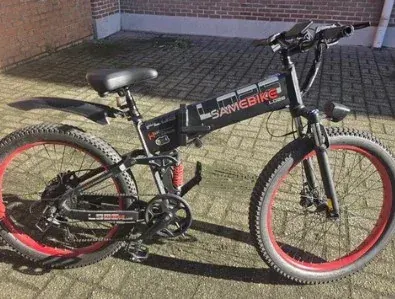
Samebike LO26-II-YD at a glance
Samebike is known for folding fat tyre e-bikes. The full Samebike range covers several wheel sizes.
What you get for the money
The Samebike LO26-II-YD costs £689 in our store. Its RRP is £1,049, so you are getting a large discount. That price makes it one of the cheapest folding fat bikes we stock.
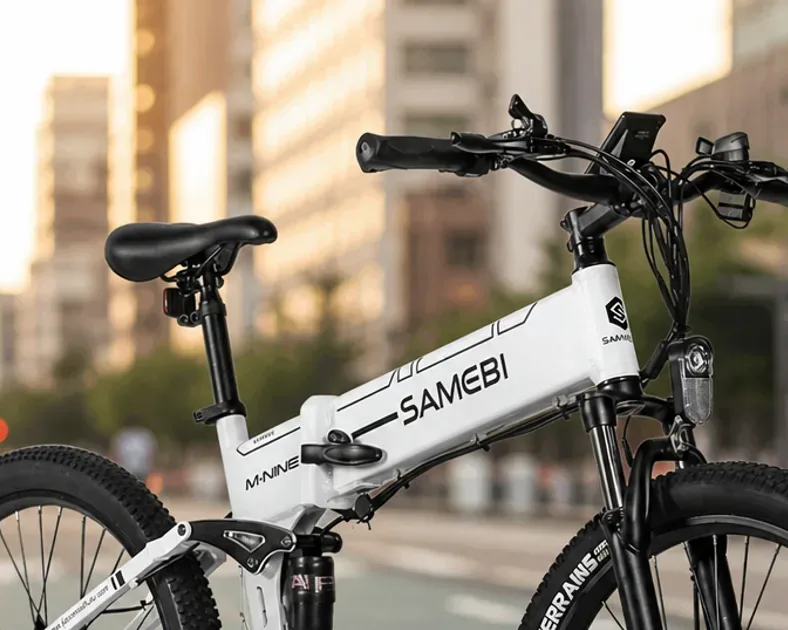
It is built as a folding electric mountain bike. The frame hinges in the middle, so you can store it in a flat, a car boot or a train luggage rack. The wide tyres add grip on gravel and mud.
Motor, battery and folding design
Like all legal UK e-bikes, the motor is limited to 250 W continuous power. It assists up to 15.5 mph. You still need to pedal, which keeps the ride natural.
The folding mechanism is simple. You release the hinge, fold the frame and drop the handlebars. It is not the lightest bike, but it is manageable for short carries.
For many riders, the YD is the everyday pick. It works for a mixed commute, a weekend towpath ride and light trail use.
The YD is a genuine folding mountain bike. The frame folds in the middle, and the handlebars drop down. That helps if you live in a flat or commute by train.
Samebike LO26 Plus at a glance
What the Plus adds
The Samebike LO26 Plus costs £849. Its RRP is £1,259, so the saving is even bigger in pound terms. The extra £160 over the YD buys a more comfort-focused design.
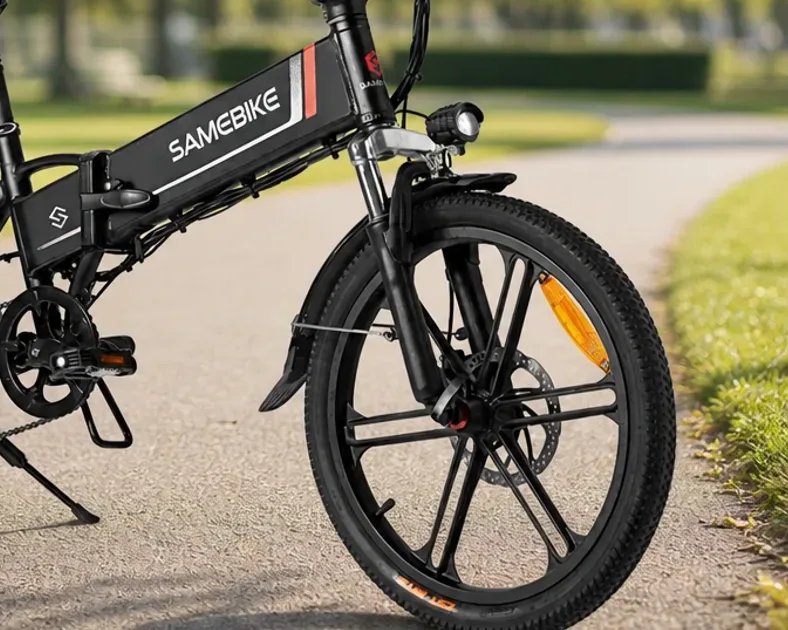
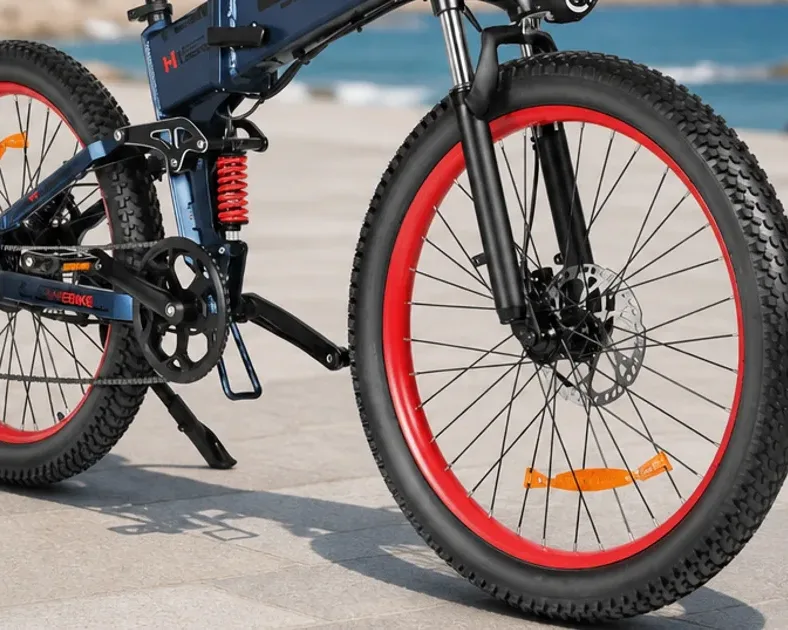
The Plus is labelled as a fat tyre folder. That usually means wider tyres, a chunkier frame and a softer ride on rough ground. It is aimed at leisure riders who want stability.
The Plus also has a slightly longer wheelbase. That improves straight-line stability. It does make the bike a little less nimble in tight corners.
Fat tyres and ride feel
Wide fat tyres spread your weight over a bigger contact patch. That gives more float on sand, snow and mud. The downside is extra rolling resistance on smooth tarmac.
At low speed, the Plus feels planted and forgiving. At higher speed, you may notice the front end feels a little slower to turn. That trade is worth it for off-road comfort.
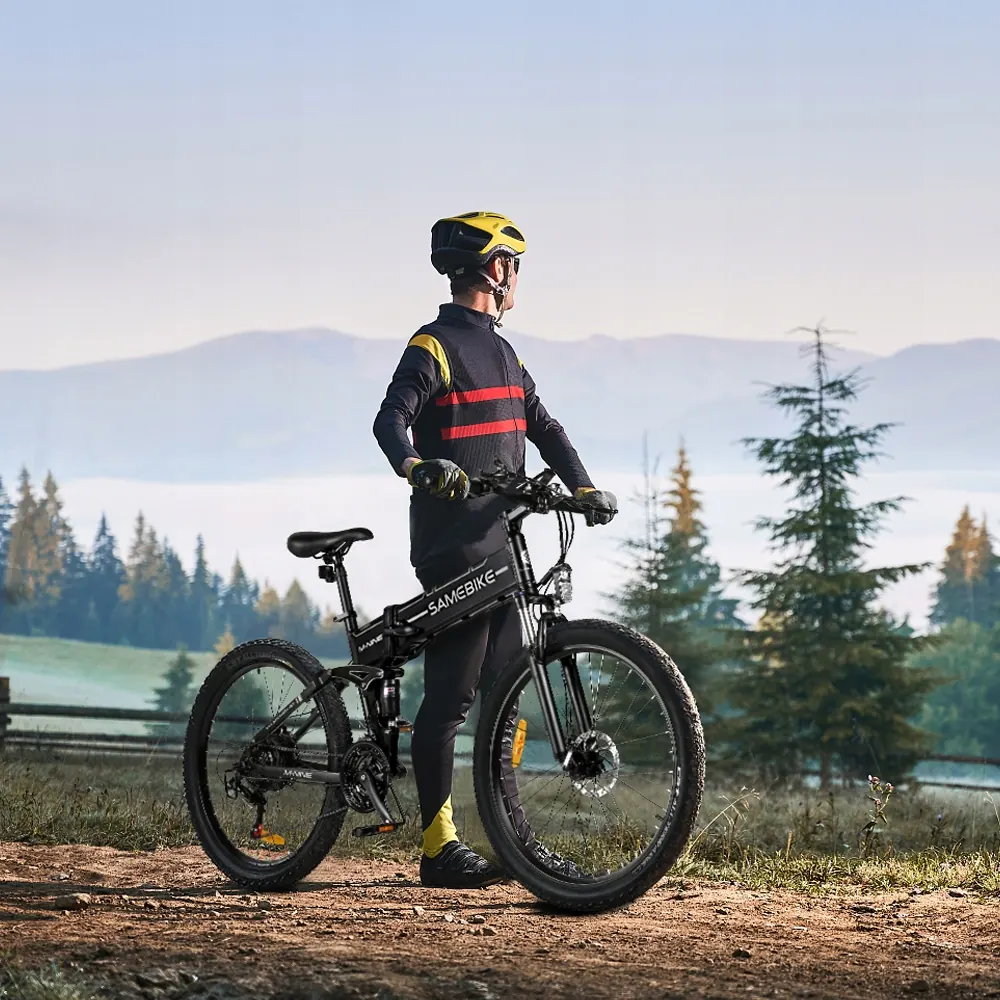
Key differences in real riding
Tyres and terrain
The YD has a more traditional mountain bike stance. It feels sharper when you stand on the pedals. On hardpack trails and gravel, it changes direction more eagerly.
The Plus leans the other way. Its wider tyres are happier at lower pressures. That absorbs small bumps and stops the front wheel from digging in on loose surfaces.
If your rides are mostly tarmac with the odd towpath, the YD is easier to pedal. If you regularly ride sand, wet grass or mud, the Plus makes more sense.
On long climbs at maximum assist, both bikes behave the same because the motor limit is identical. The difference is grip, not power.
Gearing and frame details
Both bikes fold at the frame. Both use a similar cockpit layout. The differences are in tyre width, suspension feel and overall weight.
The Plus has a slightly heavier feel when lifting. The YD is a touch easier to carry up stairs. Neither is a lightweight road bike, so set your expectations.
We stock both in the folding bikes category. You can also compare them with the SAMEBIKE LO26-II-FT-YD if you want a close sibling.
UK legal riding: what both bikes share
EAPC rules
Both bikes are Electrically Assisted Pedal Cycles, or EAPCs. That means the motor is capped at 250 W and assistance stops at 15.5 mph. You must be at least 14 years old to ride one.
You do not need a licence, tax disc or insurance. You also do not need to wear a helmet by law, although we always recommend one. The rules come from the UK government.
Where you can legally ride
A legal e-bike can go anywhere a normal bicycle can go. That includes roads, cycle lanes, bridleways and most off-road trails. You cannot ride on motorways or most pavements.
Some private trails and forest parks have their own rules. Always check local signs. The key point is that neither the YD nor the Plus is a motorbike, so you can ride without a number plate.
Because both bikes are EAPCs, they can be ridden by anyone aged 14 or over. They do not need an MOT. The motor only helps when you pedal.
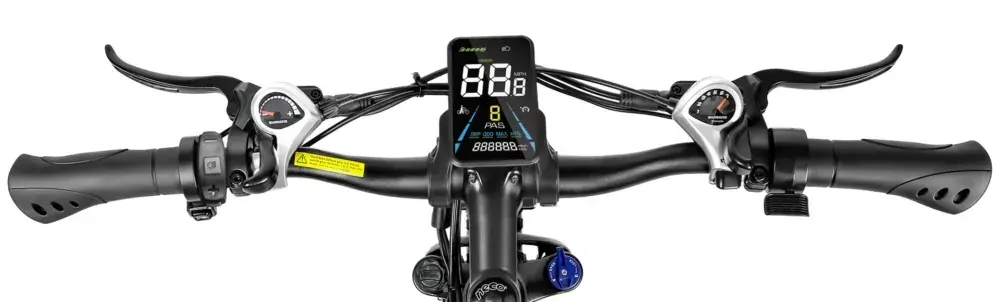
Battery range expectations: quoted vs real
Why quoted figures mislead
Manufacturers often quote range in ideal conditions. That means a light rider, flat ground, warm weather and the lowest assist level. Real UK riding is rarely like that.
Expect your real range to be lower than the brochure. Hills, cold air, headwinds and quick acceleration all eat into the battery. A heavier rider on fat tyres uses more energy.
Cold weather reduces battery range by around 20 percent, according to Cycling UK. Keep the battery warm before riding. Warm it indoors overnight if you can.
How to estimate your real range
Neither bike has a throttle that works above walking pace, so range depends on how hard you pedal. Use a higher assist level and you will drain the battery faster.
The best way to compare is to look at battery capacity in watt-hours, not claimed miles. Then adjust downwards. For a typical mixed commute, a full charge should cover most return trips.
Comfort and fit: which rider suits which bike
Height, weight and carrying
Both bikes suit a wide range of adult heights. The frame shape is similar, but the Plus may feel taller because of its wider tyres. Check the product page for exact standover height.
Weight matters when you fold and carry. If you need to lift the bike onto a train, the YD is the easier choice. The Plus is fine for rolling along, not for long carries.
Both bikes have a rear rack mounting point. You can add a pannier rack or bag for shopping. Folding bikes often have less cargo space than a full-size bike, but a front basket helps.
Which rider suits which bike
Riders under about 5 ft 4 in often prefer the YD. Its slightly narrower tyres make it feel less cumbersome at low speed. Taller riders may enjoy the extra presence of the Plus.
If you have a bad back or wrists, the Plus is more comfortable. Its fat tyres act like extra suspension. The YD relies more on tyre pressure and riding position.
Here are the main fit points to think about:
- Folding size and weight matter more if you use public transport.
- Wider tyres reduce shock but add rolling resistance.
- Lower tyre pressure improves grip and comfort on trails.
- Both bikes have an adjustable saddle and handlebar height.
Price, value and long-term costs
What the £160 difference buys
The YD is £689. The Plus is £849. That is a £160 gap. You are paying for wider tyres, a sturdier frame and more off-road float.
If you never ride loose terrain, that £160 may be wasted. Put it towards a better lock, lights or a spare battery. If you ride sand or snow, the Plus earns that extra cost.
Running costs and battery care
Electric bikes are cheap to run. Charging costs only a few pence per full battery. Brake pads and tyres wear faster on fat bikes, so budget for occasional replacements.
Batteries last longest when stored indoors and kept between 20% and 80% charge. Do not leave the battery in a freezing shed. Both bikes use removable batteries, which makes this easier.
You can browse the full all bikes range to see other folding options. A guide to budget brands like AAIRSK vs SAMEBIKE vs ENGWE may also help.
For a more aggressive off-road style, the Samebike RS-A02 Pro is another option. It costs £749 and sits between the two on price.
Which should you buy? Our verdict
Buy the LO26-II-YD if
You want the lowest price without losing fat tyre grip. You ride mainly tarmac, gravel and hardpack trails. You need a folding bike that is a little easier to carry.
The YD is the value pick. At £689, it undercuts most folding fat bikes. It does everything a legal e-bike should do.
Buy the LO26 Plus if
You regularly ride sand, mud, snow or rough bridleways. You prioritise comfort over agility. You do not mind paying £849 for a softer, more planted ride.
The Plus is not faster. Under UK law, both bikes stop assisting at 15.5 mph. The difference is how they feel below that speed.
Our final list:
- Choose the YD for value and everyday mixed riding.
- Choose the Plus for loose terrain and comfort.
- Both fold, both are legal EAPCs, both need pedalling.
- Check the product pages for exact specs before you decide.
Frequently asked questions
Are the LO26-II-YD and LO26 Plus legal on UK roads?
Yes. Both meet EAPC rules: 250 W motor, 15.5 mph assisted limit, age 14 plus. You do not need a licence, tax or insurance. Ride them anywhere a normal bicycle is allowed.
Which bike is better for a train commute?
The LO26-II-YD is usually easier. It is a little lighter and more compact when folded. The Plus folds too, but its wider tyres and sturdier frame make it more awkward to carry upstairs.
Does the LO26 Plus have a longer range?
Not necessarily. Range depends on battery capacity, rider weight, hills and assist level. The Plus may use slightly more energy because of its wider tyres. Real range is lower than quoted in cold or hilly riding.
Can I ride these bikes on sand or snow?
The Plus handles sand and snow better thanks to its wider fat tyres. The YD copes with hardpack and gravel but will dig in less on loose sand. Lower tyre pressure helps both.
Is the extra cost of the Plus worth it?
For most UK riders, the YD is better value. The Plus is worth the extra £160 if you regularly ride loose or soft terrain and want maximum comfort.