Fat Tyre vs Standard Tyre E-Bikes, Which Should You Choose?
Struggling to decide between a fat tyre and standard tyre electric bike? This honest UK guide covers performance, comfort, legal rules and running costs so you can pick the right e-bike for your rides.

The line-up compared
| Model | Price | Motor | Range | Top speed | UK road status |
|---|---|---|---|---|---|
| Engwe Engine Pro 3.0 Boost Folding Electric Bike | £1,669.00 | 250W | 50 Miles | 15.5 Mph | Road legal |
| Varun S26-1 Fat Tire Electric Bike | £949.00 | 750W | 50 Miles | 15.5 Mph | Private land only |
| Samebike 20LVXD30-II Folding Electric Mini Bike | £489.00 | 250W | 22 Miles | 15.5 Mph | Road legal |
| SAMEBIKE RS-A01 MEN1.0 Electric Mountain Bike | £589.00 | 500W | 56 Miles | 15.5 Mph | Private land only |
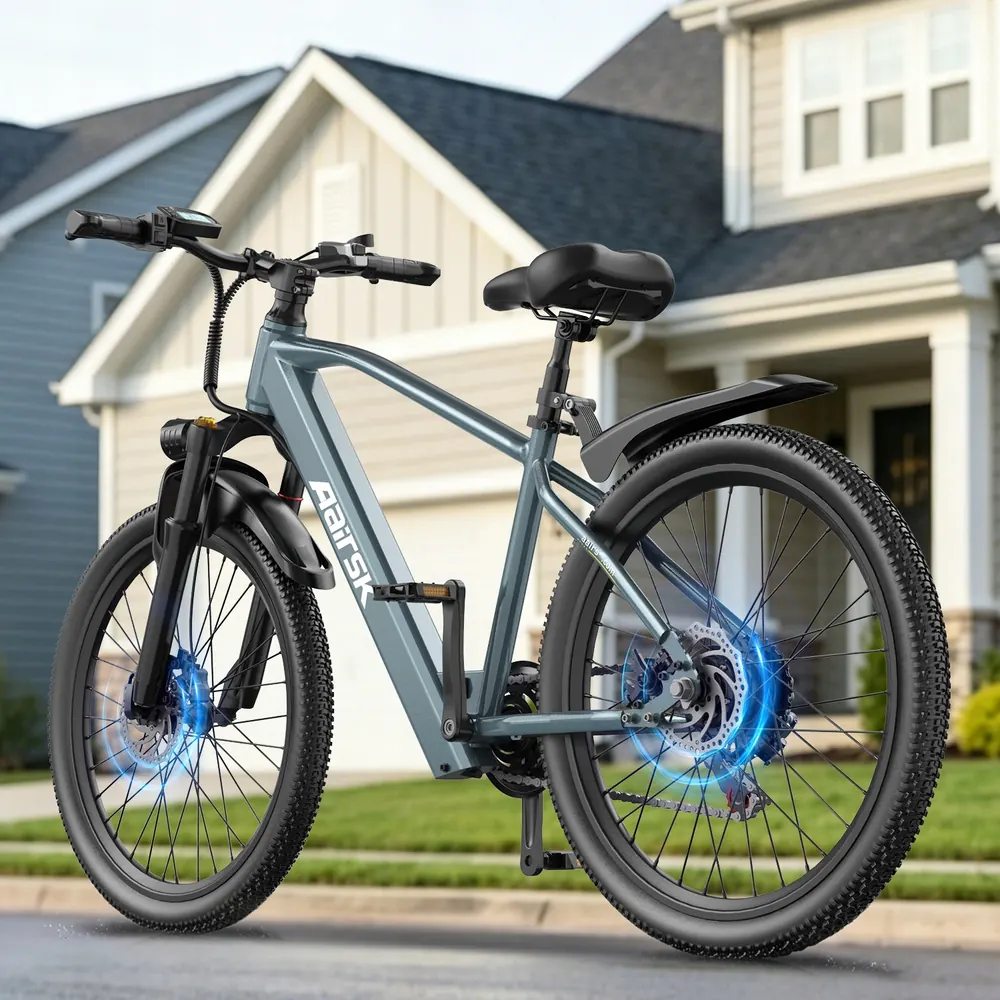
| AAIRSK GT900 Mountain Electric Bike | £599.00 | 250W | 43 Miles | 15.5 Mph | Road legal |
| AAIRSK GT300 Mountain Electric Bike | £499.00 | 250W | 28 Miles | 15.5 Mph | Road legal |
| Engwe L20 3.0 Pro Foldable Electric Bike | £1,369.00 | 250W | 87 Miles | 15.5 Mph | Road legal |
| Fafrees F20 Max Folding Electric Bike | £964.00 | 500W | 62 Miles | 15.5 Mph | Private land only |
Electric bikes are booming in the UK, giving riders a fast, fun and eco-friendly way to get around. But one big choice often confuses buyers: fat tyres or standard tyres? Both types are legal on UK roads as long as they meet the 250W motor and 15.5 mph assisted limit. This guide breaks down the real-world differences so you can pick the best e-bike for your needs.
Fat tyre e-bikes have wide, chunky tyres that look tough and promise a smooth ride over bumps. Standard tyre e-bikes are slimmer, lighter and often cheaper. Which one suits your commute, weekend adventures or fitness rides? We will explain everything from performance to cost, helping you decide with confidence.
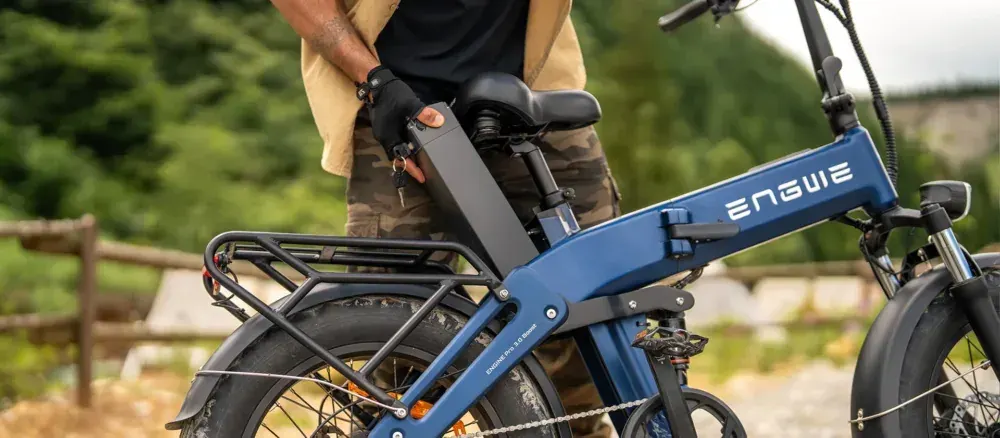
What Are Fat Tyre and Standard Tyre E-Bikes?
Standard Tyre E-Bikes
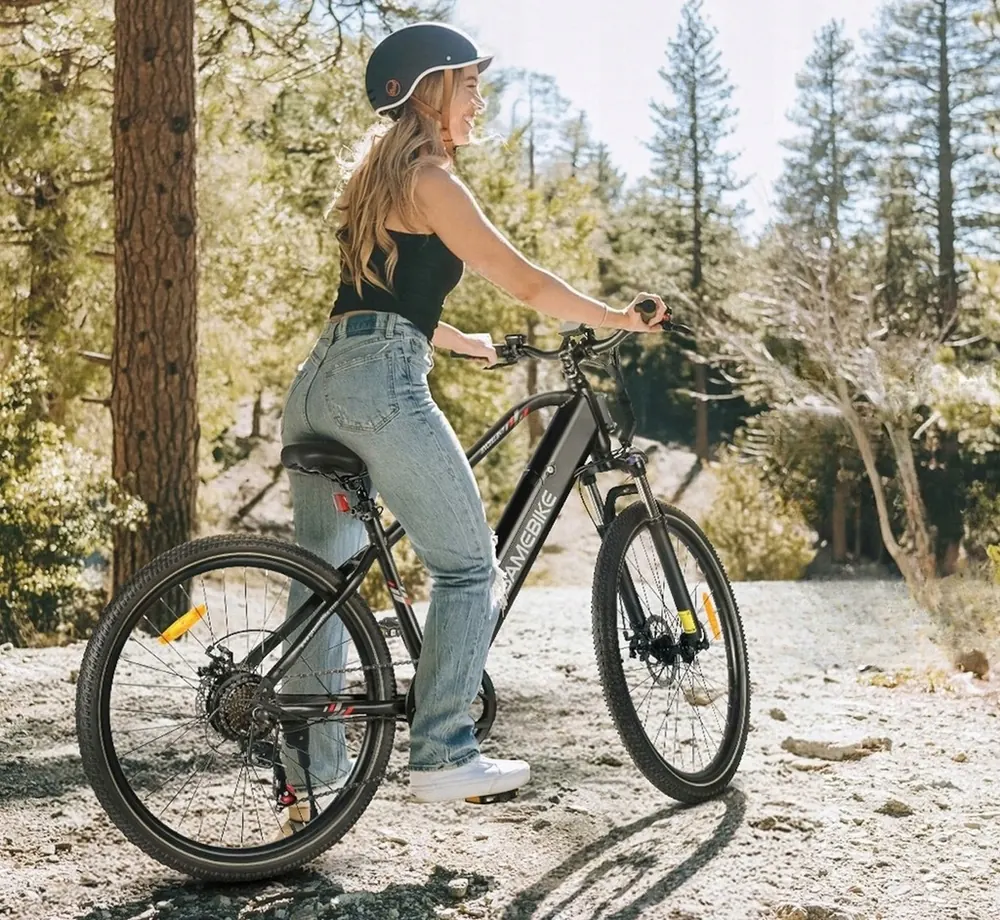
Standard e-bikes use tyres similar to regular bicycles. They usually range from 1.5 to 2.2 inches wide, with slick or light-tread patterns. These bikes are popular for city commuting and leisure rides on pavement, because they roll with little resistance. You can learn more about bicycle tyre sizes from the Wikipedia article.
A typical example is the AAIRSK SU7 City Electric Bike, which rides on efficient city tyres. These bikes feel nimble and accelerate quickly because of the low rolling resistance. The lighter weight also makes them easier to pedal without motor assist.
Fat Tyre E-Bikes
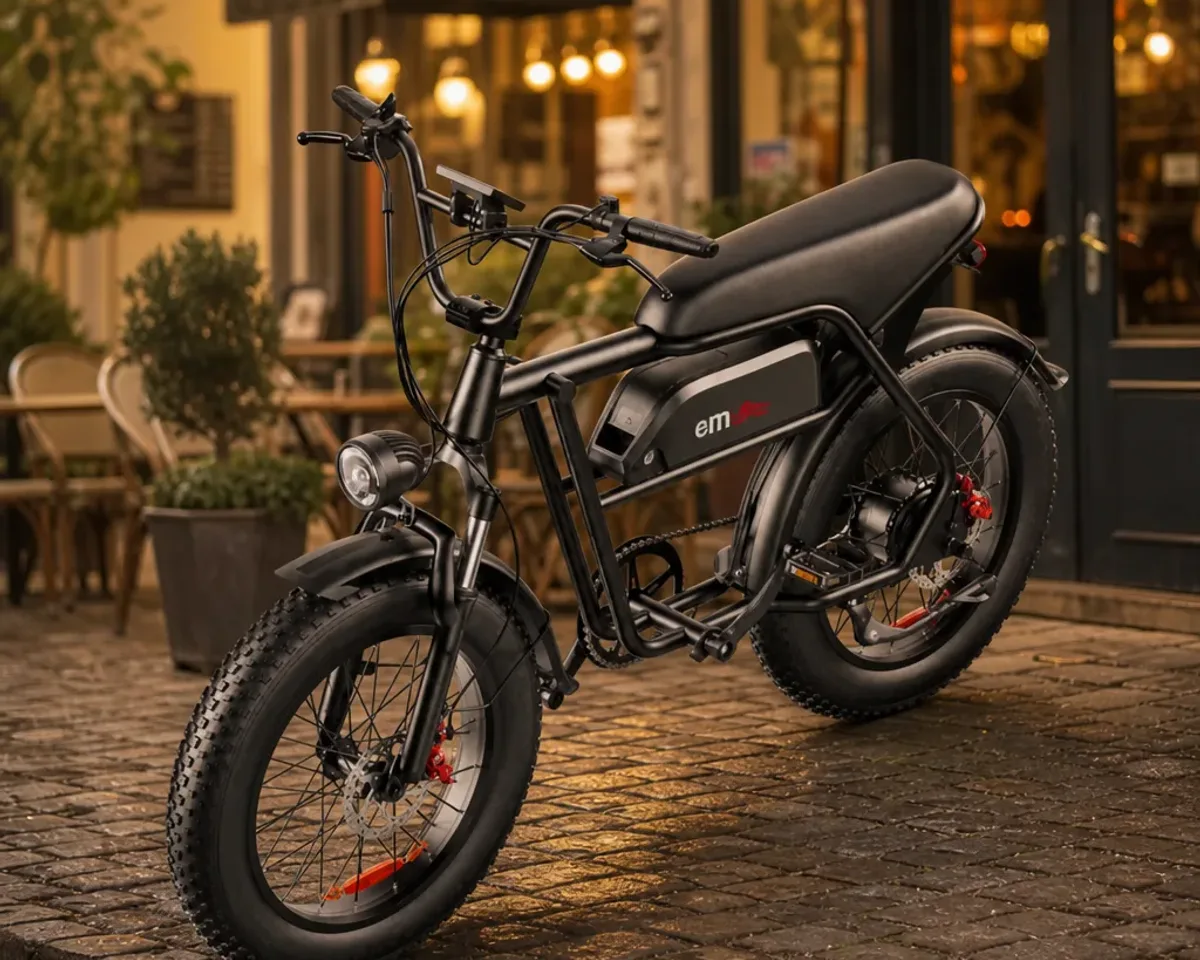
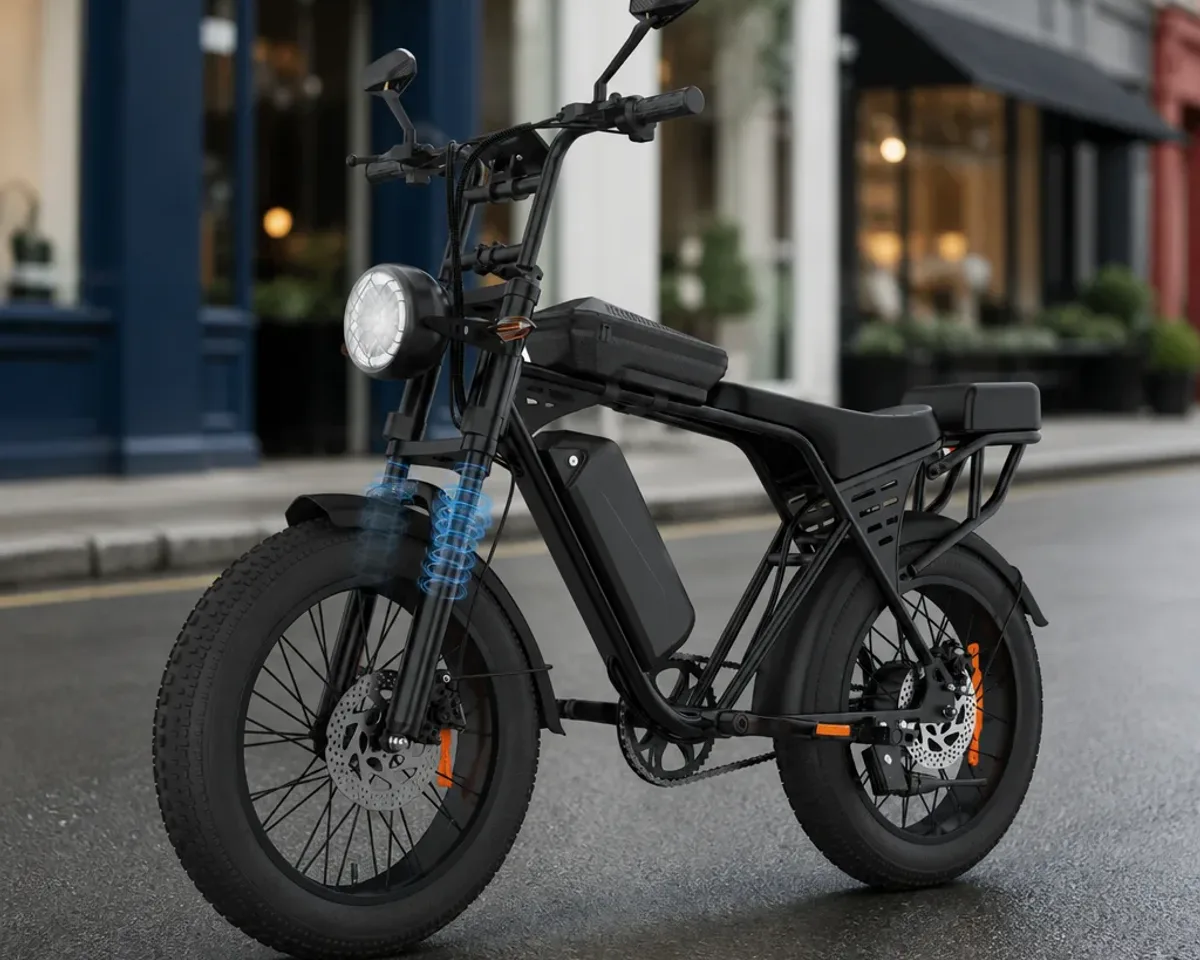
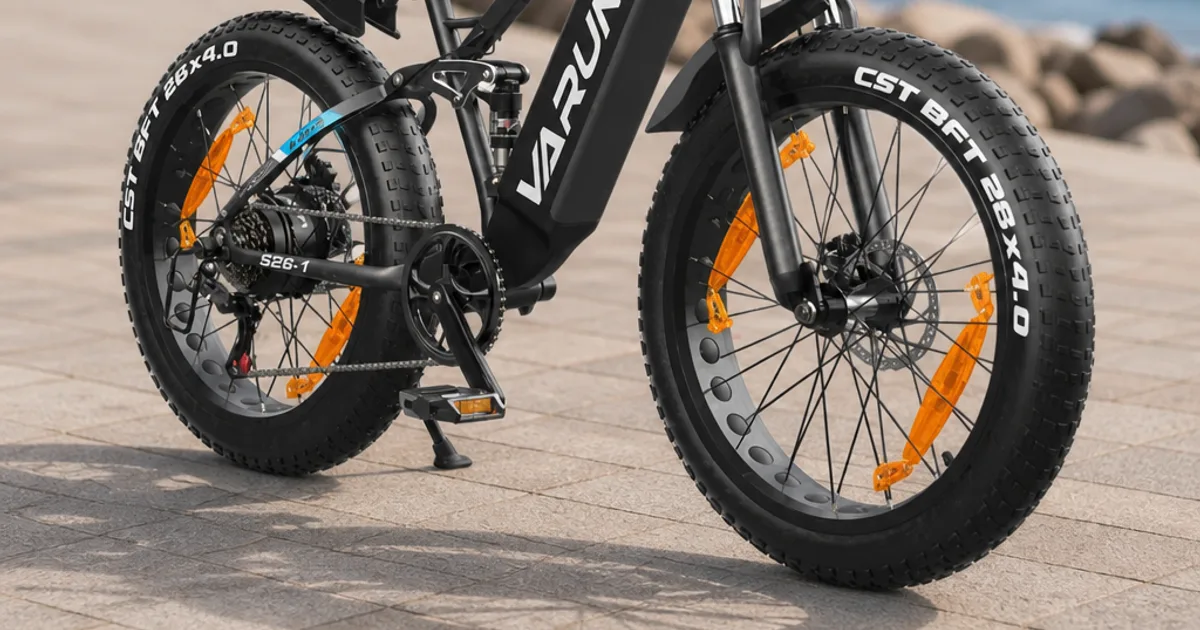
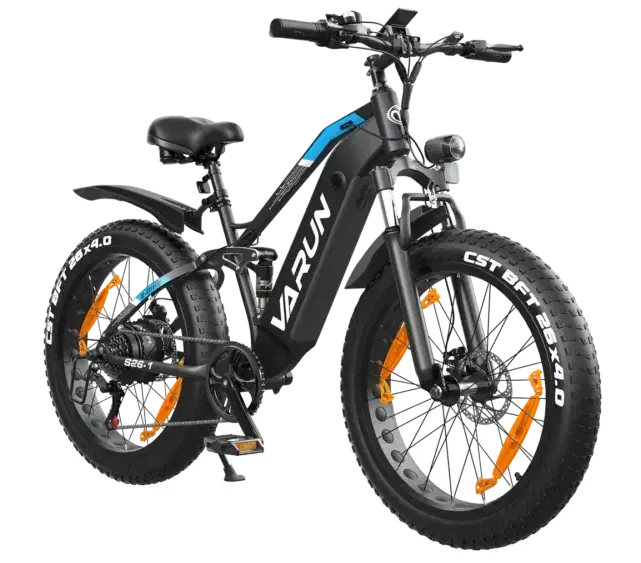
Fat tyre e-bikes come with tyres that are at least 3.5 inches wide, sometimes up to 5 inches. They run on very low air pressure, often 10 to 20 PSI, which acts like built-in suspension. This gives amazing grip and comfort on rough surfaces like gravel, sand or snow.
Our ENGWE L20 BOOST Fat Tyre Electric Bike is a great example of how fat tyres handle loose terrain. The oversized rubber makes these bikes stand out visually, but they do add extra weight to the frame and wheels.
Key Differences Between Fat and Standard Tyres
To help you compare, here are the main technical differences between the two tyre types.
- Width: Standard tyres are 1.5–2.2 inches; fat tyres are 3.5–5 inches.
- Pressure: Standard tyres need 40–80 PSI; fat tyres run on just 5–20 PSI.
- Weight: Fat tyre wheels add roughly 2–4 kg extra per wheel.
- Rolling resistance: Fat tyres have more friction, slowing you down on tarmac.
- Puncture risk: Fat tyres resist small thorns better; standard tyres may need liners.
Size and Weight
Fat tyre bikes are heavier. The larger tyres, wider rims and beefed-up frames add up to 5–8 kg over a standard e-bike. This makes them harder to carry up stairs or lift onto a train’s bike rack. But on the trail, the weight helps keep you planted and stable.
Standard tyre e-bikes feel easier to pedal without motor assist, making them a better choice if you want more exercise. The lighter frame also boosts battery range slightly because the motor doesn’t work as hard to maintain speed.
Traction and Grip
Fat tyres win here. The huge contact patch grips loose surfaces like gravel, mud and sand. If you ride along UK bridleways or coastal paths, fat tyres give you confidence to explore places a standard bike would slip or bog down.
Standard tyres are fine on sealed roads and light gravel. But once the track gets rutted or wet, they can lose grip easily. Some riders fit chunkier treads to standard bikes, but you can’t match the raw footprint of a fat tyre on soft ground.
Rolling Resistance and Speed
On smooth tarmac, a fat tyre feels sluggish. You will notice you need to pedal harder or drain the battery faster to keep up with a standard e-bike. However, the UK’s 15.5 mph assisted limit means you rarely feel this at legal speeds on flat roads.
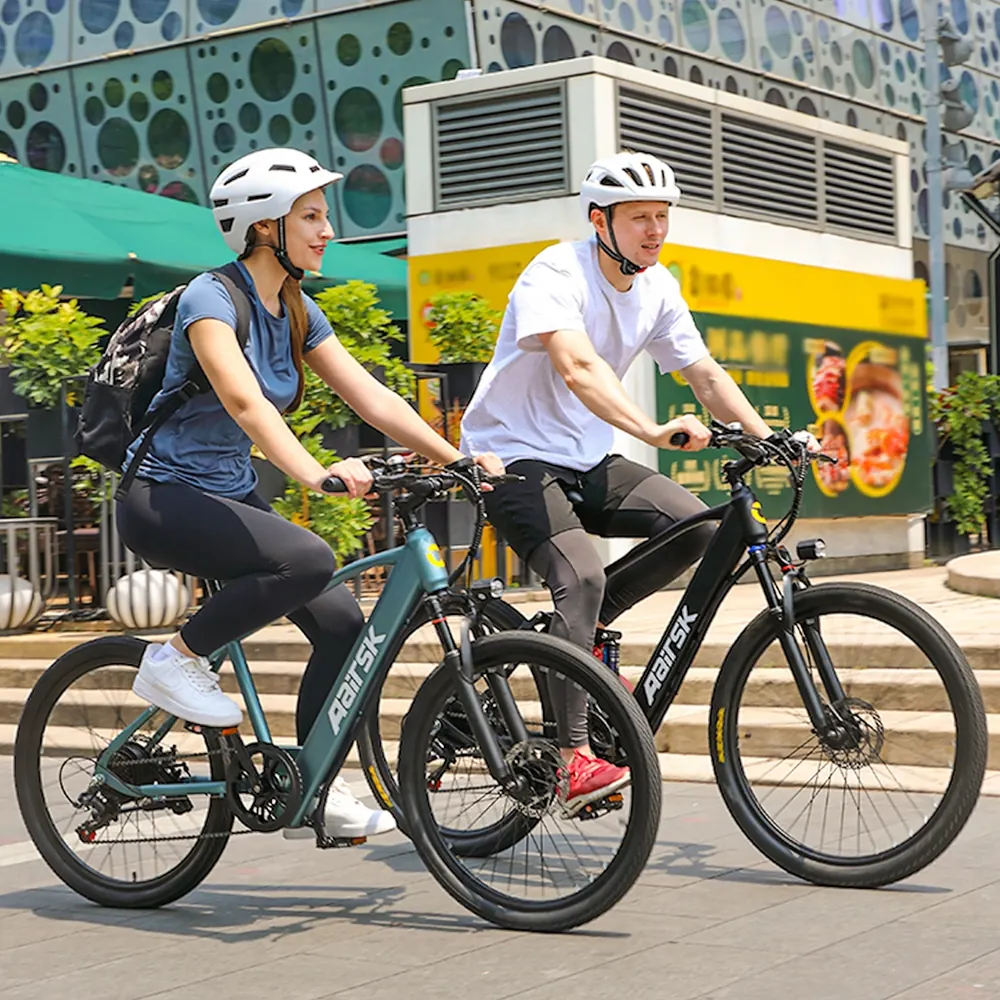
A standard tyre bike like the AAIRSK GT900 Mountain Electric Bike rolls effortlessly and can still handle light off‑road. The lower resistance often translates to a few extra miles of range on a single charge, which matters on longer commutes.

Performance on Different Terrains
City Commuting
For daily trips on roads and cycle lanes, standard tyres are usually the smarter pick. They are quieter, faster and easier to manoeuvre through traffic. The lighter weight helps when you need to lift the bike over a kerb or onto a train.
That said, a fat tyre bike can tackle potholed city streets with less jarring. If your route includes broken tarmac or cobbles, the plush ride of a fat tyre might justify the extra weight. Check out our range of City Bikes to compare options.
Off-Road and Trail Riding
Fat tyres truly shine off the beaten path. Soft ground, deep leaves or sandy soil are no match for the floatation a wide tyre provides. You can ride across fields and through woodland trails without sinking in or losing control.
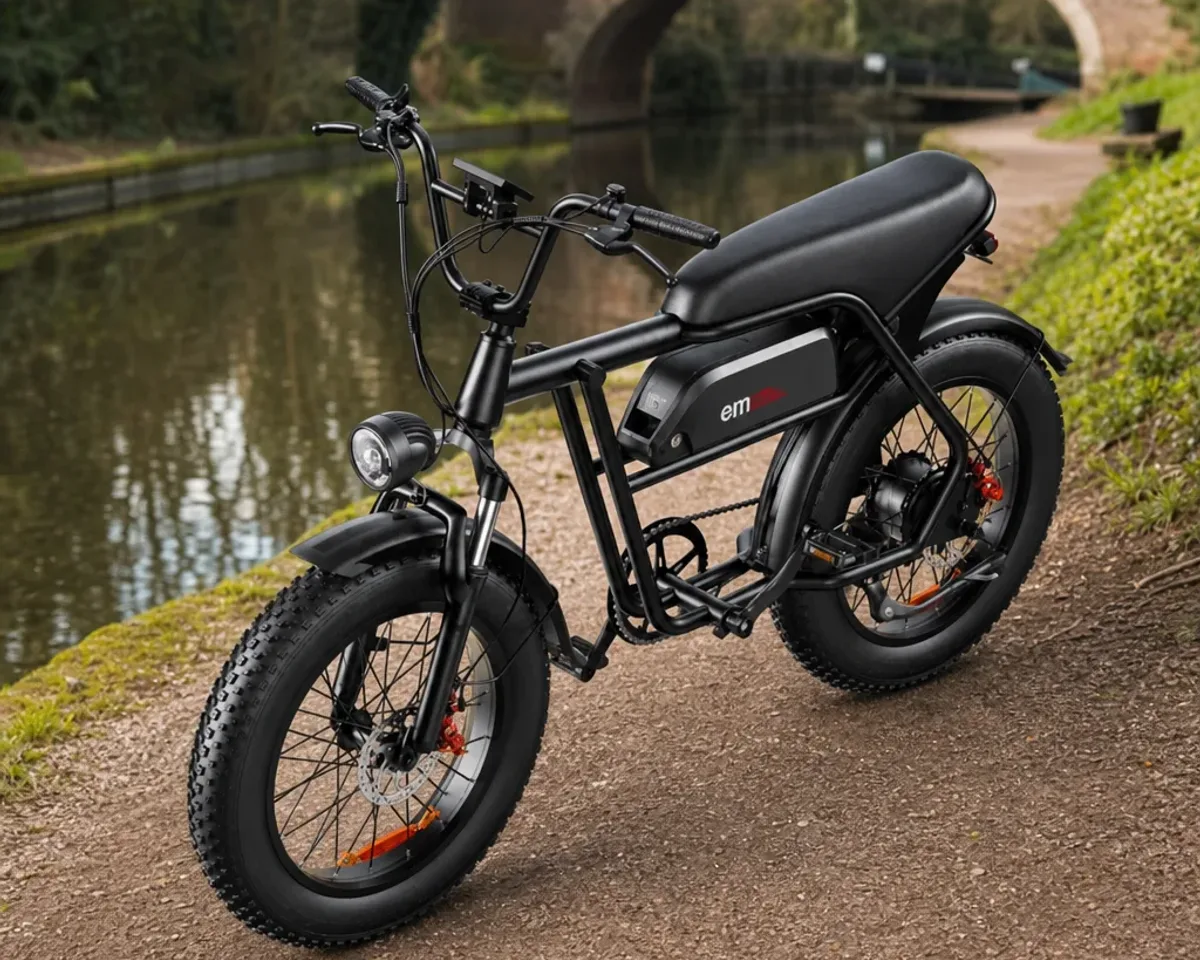
Standard tyre e-bikes can manage canal towpaths and compacted gravel, but they are out of their depth in mud. If you dream of weekend adventures beyond the tarmac, a fat tyre e-bike is the clear winner for versatility and off‑road fun.
Hills and Inclines
Climbing steep hills on a fat tyre e-bike takes more effort. The tyres squirm slightly under load, and the extra weight works against you. But with motor assist, most riders find both bike types manage UK hills well as long as the battery is charged.
A standard tyre bike is more efficient on gradients. The motor doesn’t have to overcome as much drag, so you might climb faster or use a lower assist level. Either way, electric power takes the sting out of hills for both styles.
Comfort and Ride Quality
Suspension and Shock Absorption
Fat tyres act like a built-in suspension system. Running at low pressure, they soak up bumps, roots and potholes. Many fat tyre riders say they don’t even need a suspension fork, which saves cost and reduces maintenance headaches.
Standard tyre bikes often come with front suspension to handle rough roads. But the ride is still firmer. If you have back pain or want the smoothest ride possible, the pillow‑like comfort of fat tyres is hard to beat.
Handling and Stability
Fat tyre bikes feel stable and planted in a straight line. The wide wheelbase and heavy steering slow down quick turns, which can feel reassuring at speed but clumsy in tight bike lanes. You might need a bit more space to manoeuvre.
Standard e-bikes are much more agile. You can dart around potholes and make last-second adjustments easily. For navigating busy city streets, the nimble feel of a standard bike is often safer and less tiring on long rides.
Range and Battery Efficiency
How Tyre Choice Affects Range
Range is one of the biggest concerns for e-bike buyers. Fat tyres create more drag, so the motor works harder and the battery drains quicker. On a flat road, a fat tyre bike might deliver 10–20% less range than a standard bike with the same battery size.
However, real-world UK riding rarely happens on perfect surfaces. In stop‑start traffic or on bumpy ground, the gap narrows. Some riders find the extra comfort lets them take longer journeys in comfort, offsetting the range loss on rough routes.
Terrain and Motor Duty
If you ride off‑road, the range difference becomes less important. Both bikes will use more energy fighting mud and hills. Fat tyres often maintain speed better through soft ground, so you might not notice much difference at all.
For long tarmac commutes, a standard tyre bike like the AAIRSK SU7 City Electric Bike will consistently give you more miles. If you need to ride 30 miles round trip, this extra efficiency could be the deciding factor.
Maintenance and Durability
Puncture Resistance
Fat tyres have a larger air volume and lower pressure, so small punctures from glass or thorns often seal themselves or leak very slowly. They are inherently tougher against the sort of minor damage that plagues city commuters.
Standard tyres are thinner and more vulnerable, but you can add puncture-resistant liners or go tubeless. Much depends on the tyre quality. A cheap standard tyre will flat more often than a premium one, so choose wisely.
Tyre Wear and Replacement
Fat tyres wear more slowly because the weight and forces are spread over a bigger area. But when they do need replacing, the bigger tyres cost more, often £50–£80 each. Standard 26‑ or 700c tyres can be found for £20–£40.
Finding a local bike shop that stocks fat tyres can also be tricky. Standard sizes are universal, so you can quickly grab a replacement from any shop. This might matter if you ride daily and can’t afford long downtimes.
UK Legal Considerations for E-Bikes
The 15.5 mph and 250W Rule
All electric bikes sold in the UK must follow the EAPC rules. The motor must have a continuous rated power of no more than 250 watts, and electrical assistance must cut out at 15.5 mph. You can read the full official guidance on gov.uk.
Fat tyre e-bikes are fully legal under these rules. The width of the tyre doesn’t change the classification. You do not need a licence, insurance or MOT. You must be 14 or over, but the same applies to all EAPCs in the UK.
Where You Can Ride
Both standard and fat tyre e-bikes can use roads, cycle lanes and most off‑road bridleways where cycles are allowed. Fat tyre bikes might give you more confidence to explore unpaved routes legally open to cyclists. Check with Cycling UK for off‑road riding advice.
Just make sure your e-bike is type‑approved and has a visible maximum speed label. Our store only stocks UK‑compliant models, so you can buy with peace of mind. Browse our All Bikes collection to see legal options.

Price and Value for Money
Initial Purchase Cost
Fat tyre e-bikes tend to cost more. The larger components, wider rims and heavy-duty frames add to the price. Entry‑level fat tyre models start around £800, whereas a decent standard city e-bike can be had from £599 like the AAIRSK GT900.
Mid‑range fat tyre bikes such as the KOOLUX BK6S Fat Tyre Electric Bike sit between £1,000 and £1,500. You pay for the extra versatility and toughness. Standard bikes offer a lower entry point if budget is tight, but still deliver a great ride.
Long-Term Running Costs
Running costs are similar for both types. Electricity to charge the battery is pennies per journey. The main ongoing expense is replacing worn tyres and brake pads. Fat tyre replacements are pricier, but they often last longer than standard ones.
Insurance and maintenance costs don’t vary much. However, if you ride hard off‑road, a fat tyre bike might need extra drivetrain care due to mud and grit. Overall, total cost of ownership balances out reasonably well over time.
Which Should You Choose?, A Summary
Now that you know the facts, here is a simple checklist to help you decide.
Choose a Fat Tyre E-Bike If...
- You ride on sand, snow, mud or loose gravel often.
- Comfort is your top priority and you want a cushioned ride.
- You like the rugged look and don’t mind the extra weight.
- You plan to explore off‑road tracks and bridleways.
Choose a Standard Tyre E-Bike If...
- Most of your riding is on roads, cycle paths or light gravel.
- You want a lighter bike that’s easy to carry and store.
- Maximising battery range on tarmac is important.
- You prefer nimble, responsive handling for city traffic.
Still unsure? Come and talk to us or browse our full range of electric bikes. If you want to learn more about specific models, read our AAIRSK GT900 review to see what a standard e-bike can do. Or check the AAIRSK GT300 vs GT900 comparison for more insight into a popular brand.
Frequently asked questions
Are fat tyre e-bikes legal on UK roads?
Yes, fat tyre e-bikes are completely legal in the UK as long as they meet the EAPC regulations. The motor must be 250W maximum, assistance cuts off at 15.5 mph, and you must be at least 14 years old. Tyre width does not affect legality.
Do fat tyres puncture less than standard tyres?
Fat tyres are generally more puncture-resistant because they run at lower pressure and have a larger air volume. Small thorns or glass shards often cause slow leaks rather than instant flats. However, no tyre is immune to punctures, and regular inspection is still important.
Which type is better for commuting in the city?
For most city commutes on paved roads and cycle paths, a standard tyre e-bike is better. It is lighter, more efficient, and easier to manoeuvre through traffic. If your route includes lots of potholes or cobblestones though, a fat tyre bike can offer superior comfort.
Do fat tyre e-bikes have significantly lower range?
On smooth tarmac, fat tyres can reduce range by about 10–20% due to higher rolling resistance. However, on mixed terrain or in stop-start city traffic, the difference is less noticeable. Battery size and assist level matter more than tyre type alone.
Can I ride a fat tyre e-bike on the beach?
Yes, fat tyre e-bikes excel on sand. The wide tyres spread the weight and prevent sinking, making beach riding possible. Just remember to rinse off saltwater after rides to protect the components, and check local byelaws first.