Engwe O20 Boost Review: £969 Folding Fat Tyre E-Bike Tested
The Engwe O20 Boost folds small, rides on fat tyres and promises a lot for £969. Here is our honest assessment of its spec, value and everyday UK usability.

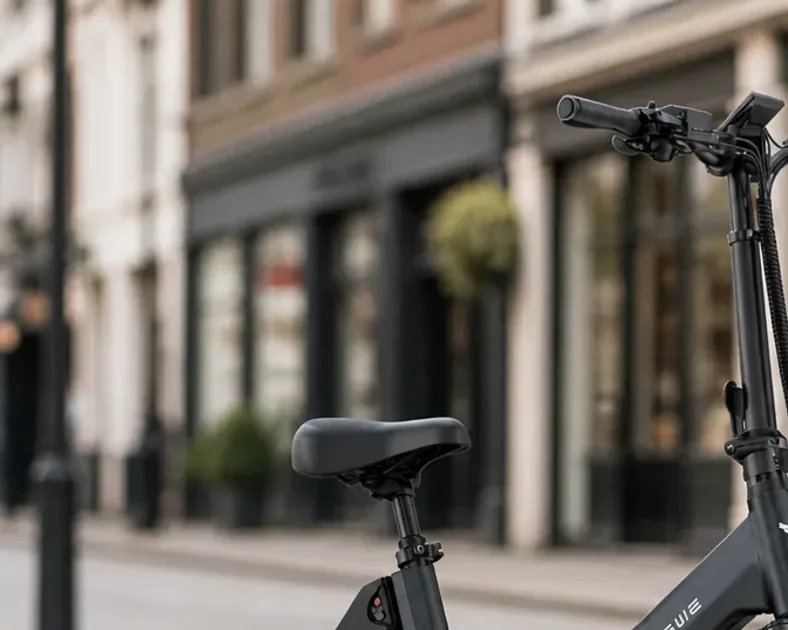
The Engwe O20 Boost is a folding fat tyre electric bike priced at £969 in our shop. Its recommended retail price is £1,199, so the discount is meaningful. This review focuses on the published specifications, UK rules and what that adds up to for everyday riders.
We have not ridden this bike ourselves. We base our judgement on the manufacturer's stated figures and the current price. Real world performance will vary with terrain, rider weight and weather.
The full Engwe range spans city, folding and fat tyre bikes. The Engwe O20 Boost folding electric bike sits in the middle of that range.
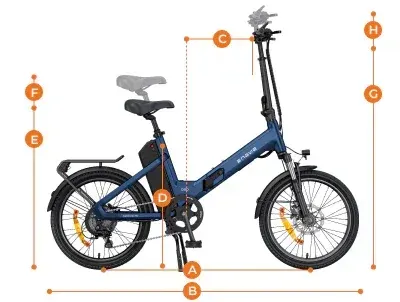
What the Engwe O20 Boost Is and Who It Suits
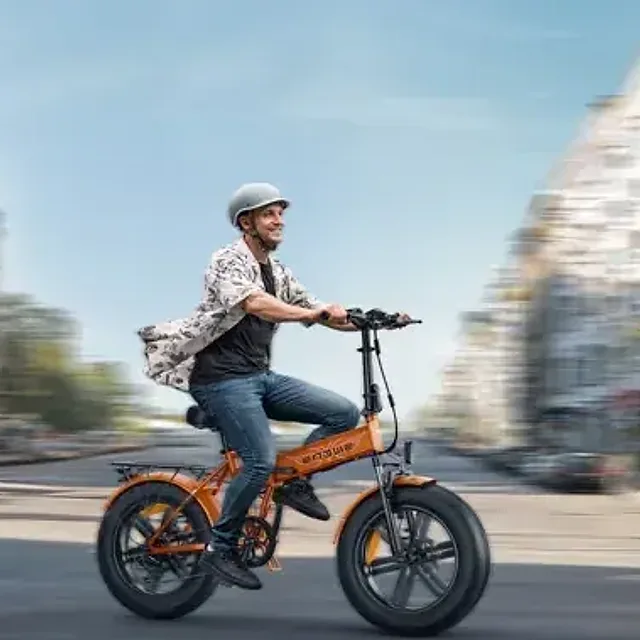
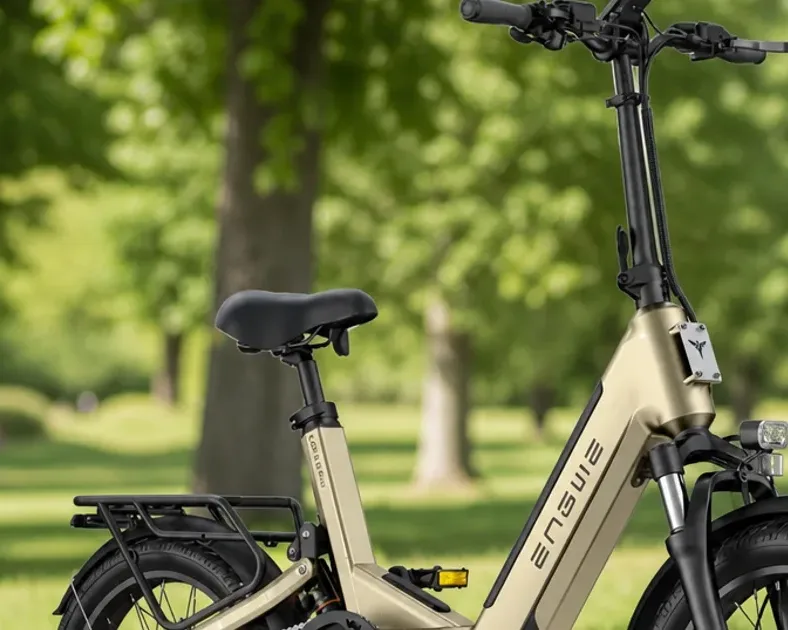
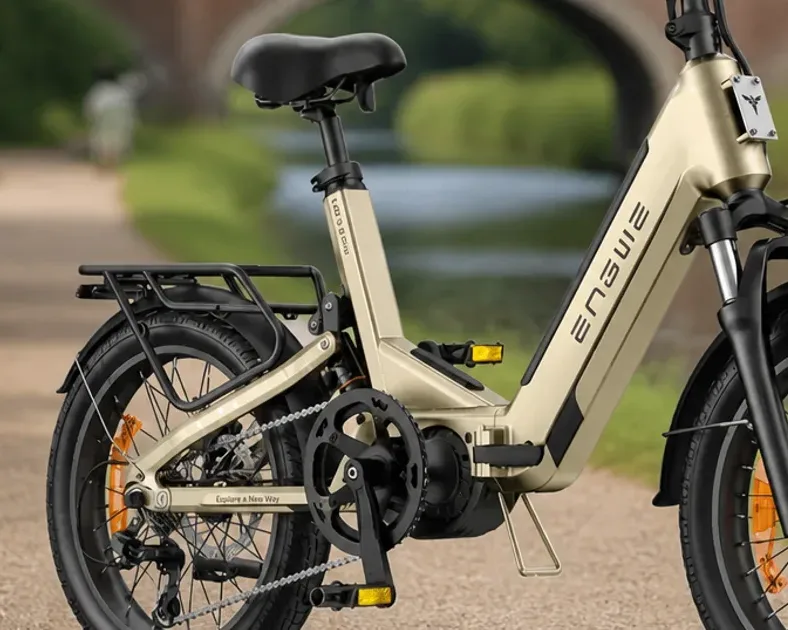
The Engwe O20 Boost is a folding electric bike with chunky 20 inch fat tyres. It uses a rear hub motor and a folding aluminium frame. The design points at short commutes, caravan trips and mixed surfaces.
This bike suits riders who need something compact but still want a soft ride. It is not a full size mountain bike. It works best on towpaths, gravel and potholed city streets rather than rocky singletrack.
If you live in a flat, keep a bike in a car boot, or take one on a train, the folding format matters. The fat tyres add comfort and grip but also weight. You trade a little portability for stability.
At £969, the O20 Boost is cheaper than many mid drive folders. It comes from a brand that focuses on value. We look at whether that value holds up. See our full range of folding electric bikes for context.
Who should look elsewhere
Tall riders over about 6ft 2in may find the frame small. If you only ride smooth tarmac and never fold the bike, a standard city e-bike may suit better. The fat tyres also add rolling resistance, so a narrow tyre bike will feel faster for the same effort.
Motor and Battery: Power Within UK Rules
The O20 Boost uses a 250W rear hub motor. That is the maximum continuous rated power allowed for a road legal e-bike in the UK under EAPC rules. The motor assists up to 15.5 mph, then cuts out.
Engwe quotes a top assisted speed of 15.5 mph, which matches the legal limit. A throttle is not allowed on a standard EAPC if it can propel the bike without pedalling beyond 3.7 mph. Many budget e-bikes include a throttle, so check the exact mode.
For this review we treat the bike as a pedal assist bike. The 250W motor is fine for gentle hills but not a hill climbing monster. It provides a steady push rather than a sudden surge. The UK government sets out the electric bike rules clearly on its e-bike guidance page.
What 250W actually means
A 250W rating is about continuous output, not peak power. Many hub motors briefly produce more when starting. The law cares about the rated continuous power. Keep the bike in its legal configuration to avoid needing insurance and a licence.
On flat ground, 250W feels enough for most riders. On a long 10% climb, you will still need to pedal. The motor helps but does not do all the work.
Real range on paper vs reality
Engwe quotes a range figure that assumes flat ground, low assist and a light rider. Expect less in cold weather, on hills or at higher assist levels. In typical UK mixed riding, plan for roughly two thirds of the quoted number.
The battery is removable. That makes charging in a flat or office easier. You can carry a spare battery on longer rides, but that adds cost.
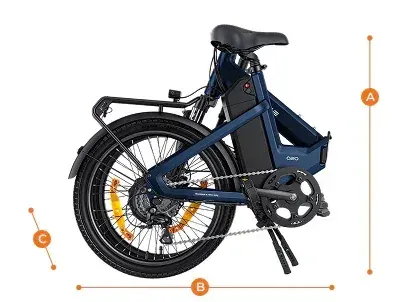
Folding Design and Everyday Practicality
The O20 Boost folds at the frame and handlebar stem. Folded, it is compact enough for a car boot or a hall cupboard. It is not the lightest folder, but the fat tyres explain some of the weight.
You will lift this bike more than a road bike. If you need to carry it up several flights of stairs daily, weight matters. The frame has a latch that should be checked before each ride.
Practical extras like mudguards and a rear rack help for commuting. A rack lets you add panniers or a basket. Lights are the buyer's responsibility in the UK at night, so budget for them if not included.
Folded size and carrying
When folded, the bike is short enough to store under a desk in many offices. The handlebars fold down, and the pedals may fold too. Check the folded dimensions against your car boot before buying.
Carrying weight is significant. A folding bike with fat tyres can weigh around 25 kg. That is manageable for short lifts but tiresome over longer carries.
- Check the frame latch clicks closed before riding.
- Lift with your legs, not your back, when carrying.
- Store indoors or cover it to protect the battery from frost.
Fat tyres on UK roads
20 inch fat tyres soak up broken tarmac and cobbles. They give a more comfortable ride than thin tyres on the same small wheel. You will feel less of the vibration through your hands and saddle.
Fat tyres also handle wet leaves and light gravel with more confidence. They are not a replacement for proper off road tyres on mud, but they add a safety margin on slippery streets.
Comfort, Ride Quality and Handling
The riding position is upright, which is friendly for commuting. Wide handlebars and a padded saddle help on short trips. The small wheels turn quickly, so low speed manoeuvring feels easy.
On rough ground, the fat tyres are the main suspension. The bike may have a basic front suspension fork or none, depending on the exact spec. If it lacks suspension, the tyres do the cushioning.
Braking is important on a bike that can reach 15.5 mph. Disc brakes, whether mechanical or hydraulic, work better than rim brakes in the wet. Check which type the O20 Boost includes at this price.
Saddle and riding position
The saddle is likely a comfort shape rather than a narrow sport seat. That suits casual riding. You sit more upright, which reduces strain on your wrists and lower back.
Shorter riders will appreciate the low step over height. Taller riders may want a longer seatpost. The handlebar height can be adjusted to a point.
Brakes and gears
Mechanical disc brakes are common at this price. They stop well in dry weather and better than rim brakes in rain. Hydraulic brakes would be a step up but usually cost more.
A 7 speed derailleur is enough for town riding. You rarely need more. The gear range helps on gentle hills but not on steep climbs.

Build Quality and Value at £969
At £969, the O20 Boost sits above budget folders like the £769 Engwe P20, but below the premium carbon belt models. The extra spend over a basic folder should buy better brakes, stronger frame and more comfort.
We cannot vouch for long term durability from a spec sheet alone. The frame is aluminium, which resists rust. Components like the battery and motor are the costly parts, so warranty support matters.
Biktron sells the bike with a UK warranty and support. That adds peace of mind compared with importing directly. The price shown is current, but it can change.
Frame and components
The folding frame uses a hinge in the middle. The quality of that hinge decides how long the bike stays rattle free. A steel or aluminium fork is typical. Look for sealed bearings in the wheels and bottom bracket.
Cheap plastic pedals and grips are common at this price. They are easy to upgrade later. The important parts are the battery, motor and brakes, and those are usually the focus of the budget.
Included accessories
Some bundles include mudguards, a rack and lights. These save you money if you would buy them anyway. Check the current package on the Engwe O20 Boost product page before ordering.
A bell is required by law when selling a new bike in the UK. Reflectors are also required. If the bike arrives without them, add them before riding on the road.
How the O20 Boost Compares to Similar Engwe Bikes
Engwe makes several folding fat tyre bikes. The O20 Boost sits between the lighter, cheaper EP-2 Boost and the larger L20 Boost. Choosing the right one depends on your priority: portability, power or comfort.
We compare the O20 Boost to two close relatives below. All three are road legal in the UK when set to 250W and 15.5 mph assist.
O20 Boost vs EP-2 Boost
The Engwe EP-2 Boost is cheaper at £869. It also has fat tyres and folds. The O20 Boost usually offers a larger battery or more powerful motor, depending on the exact specification.
If you ride longer distances, the O20 Boost may justify the extra £100. If you only do short hops, the EP-2 Boost is a sensible saving.
O20 Boost vs L20 Boost
The Engwe L20 Boost costs £1,069. It is a similar platform but may have a different frame style or battery capacity. The L20 Boost often appeals to riders who want a more upright position.
The O20 Boost is the middle option. It balances price and spec without the higher cost of the L20 Boost. Test ride both if you can, but from the numbers the O20 is the sweet spot.
UK E-Bike Law and Where You Can Ride
In the UK, an electric bike must meet EAPC rules to be treated as a normal bicycle. The motor must be rated at 250W or less, and assistance must cut off at 15.5 mph. Riders must be 14 or older.
If the O20 Boost meets those rules, you can ride it on cycle paths and roads without tax, insurance or a licence. You must still obey traffic laws. Helmets are not legally required but recommended.
The official rules are in the Electrically Assisted Pedal Cycles Regulations 1983. For a plain English summary, see the Wikipedia overview of electric bicycle laws.
EAPC requirements in plain English
Your bike must show the motor's rated power and the manufacturer. The pedals must be able to propel the bike. If the bike has a throttle, it must not work above 3.7 mph without pedalling.
Do not modify the motor or remove the speed limiter. Doing so makes the bike a moped in the eyes of the law. You would then need insurance, a licence and a number plate.
Where you can and cannot ride
Legal e-bikes can use cycle lanes, bridleways and most off road routes open to cycles. They are not allowed on motorways or footpaths. Local bylaws can restrict some shared paths.
For commuting, ride on the road or a designated cycle lane. Sustrans has useful advice on safe cycling routes. Check local signs if you are unsure.
Maintenance and Ownership Costs
An e-bike costs less to run than a car, but not zero. You will need to replace brake pads, tyres and possibly a chain. The battery will lose capacity over several years, and a replacement is a significant cost.
Keep the battery between 20% and 80% charge when storing for long periods. Avoid leaving it in a hot car or freezing shed. Store the bike indoors if you can to protect the electrics.
Simple upkeep you can do
Check tyre pressure weekly. Fat tyres run at lower pressure than road tyres, so use a gauge. Keep the chain lubricated and wipe the rims or discs clean after wet rides.
Check the folding latch and handlebar clamp for tightness before every ride. A loose folding bike is dangerous. If you hear a creak, find the source before it worsens.
- Check tyre pressure weekly.
- Lubricate the chain every few weeks.
- Test brakes before every ride.
- Check the folding latch is tight.
Replacement costs to plan for
A replacement battery for a folding e-bike can cost £200 to £400. Tyres for fat bikes cost more than standard 700c tyres. Set aside a small maintenance fund each year.
Servicing at a local bike shop costs around £50 to £100 for a basic tune up. Many shops will not work on e-bike electrics, so find one that will before you buy.
Should You Buy The Engwe O20 Boost?
The Engwe O20 Boost makes sense if you want a folding fat tyre e-bike around £1,000. It offers a legal 250W motor, fat tyres for comfort and a folding frame for storage. The current £969 price is competitive for the spec.
It is not the lightest or fastest bike. Tall riders and pure road cyclists may prefer other options. But for mixed use, short commutes and leisure rides, it covers the basics well.
We score it based on value at this price, not absolute quality. The verdict box below gives our honest assessment. Browse our electric bike guides for more buying advice.
Frequently asked questions
Is the Engwe O20 Boost legal to ride on UK roads?
Yes, as long as it is in its standard 250W, 15.5 mph assisted configuration. It must meet EAPC rules, which means no throttle above 3.7 mph without pedalling, and the rider must be 14 or older.
What is the realistic range of the O20 Boost?
Engwe quotes a range based on ideal conditions. In typical UK riding with hills and colder weather, expect roughly two thirds of the quoted figure. The actual distance depends on assist level, rider weight and terrain.
Can I ride the O20 Boost in the rain?
Yes, the bike is designed for light rain and wet roads. The battery and motor are sealed against splashes. Avoid submerging the bike or leaving it outside in heavy rain for long periods.
How much does a replacement battery cost?
A replacement battery for a folding e-bike like this typically costs between £200 and £400. Prices vary, so check with Biktron for the exact current cost.
Does the O20 Boost come with lights and mudguards?
It depends on the current bundle. Some packages include mudguards, lights and a rear rack. Check the product page before ordering to see what is included at the £969 price.