Hidoes F3 Review: Is This £550 Fat Tyre E-Bike Worth It?
The Hidoes F3 is a £550 fat tyre electric bike with a legal 250W motor and removable battery. We examine its real-world range, comfort, UK law compliance and whether the low price justifies the compromises.

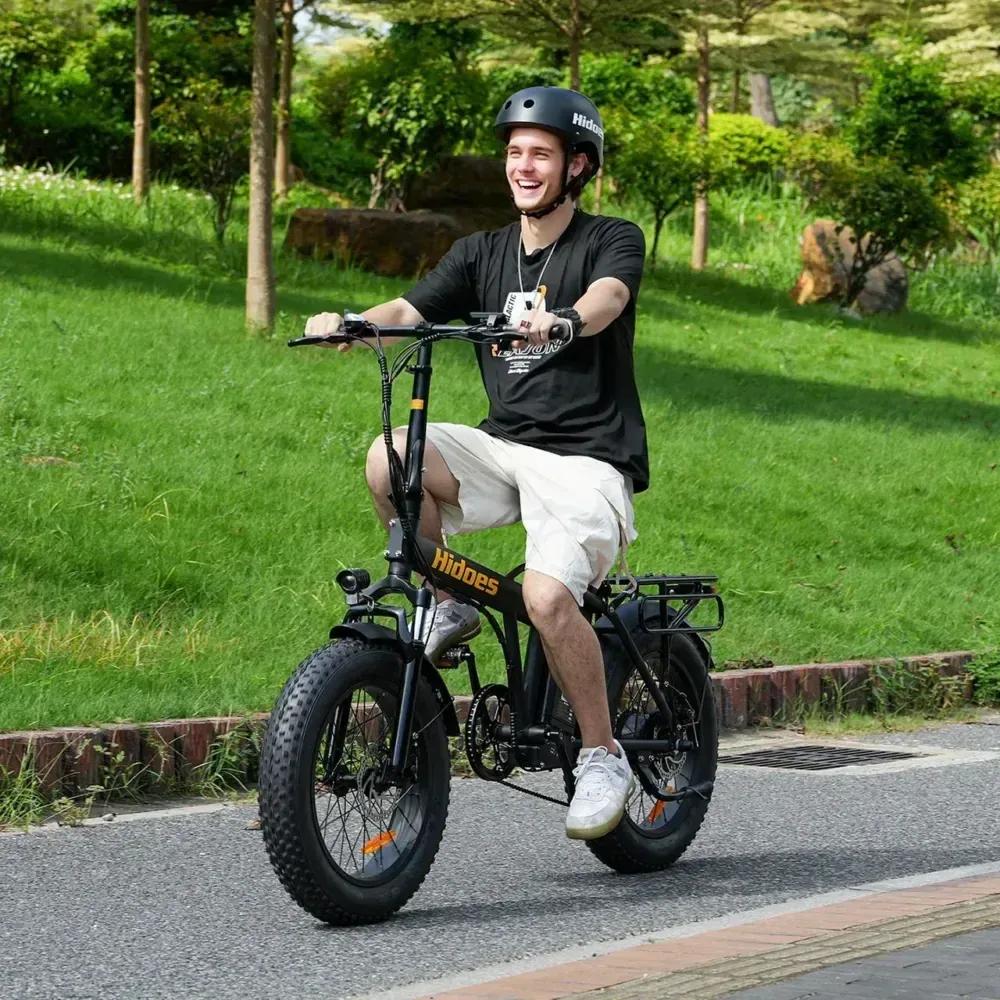
The Hidoes F3 is one of the cheapest fat tyre electric bikes you can buy in the UK right now. Biktron sells it for £550, down from an RRP of £999. That price makes it very tempting, but you need to know what you are getting.
In this review we look at the specs, UK e-bike rules, real-world range and comfort. We also compare it with other Hidoes models so you can decide if it is the right bike for your budget.
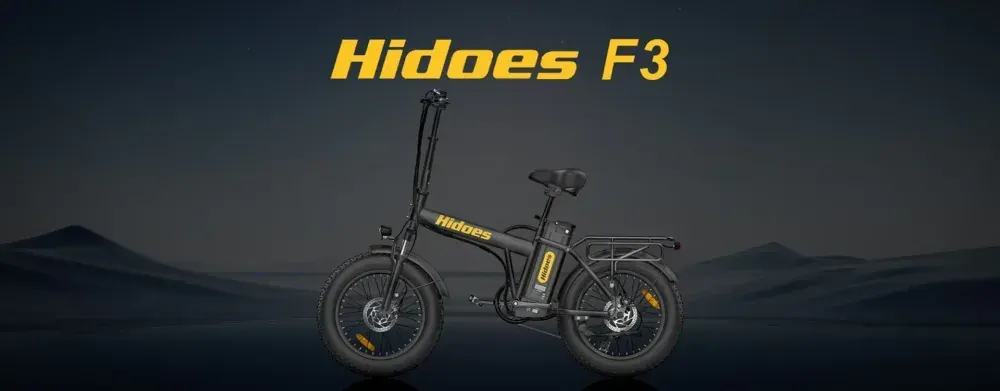
Hidoes F3 at a glance: what you get for £550
The Hidoes F3 is a fat tyre electric bike with a 250W rear hub motor. That is the maximum power allowed on a UK road-legal e-bike without registration. The battery is removable, so you can charge it indoors away from the cold.
For £550 you get a steel frame, chunky tyres and basic mechanical disc brakes. The bike is part of the wider Hidoes range at Biktron, which focuses on budget-friendly electric bikes.
Do not expect premium components at this price. The gears are basic, the display is simple and the saddle is firm. But if you just want a reliable workhorse for short rides, the spec sheet looks sensible.
Motor, battery and real-world range
What the manufacturer claims
The manufacturer quotes a maximum assisted range for the Hidoes F3. Like all e-bike brands, that figure is measured in ideal conditions: flat roads, light rider, warm weather and low assist level.
The bike's 250W motor gives gentle acceleration and helps you maintain speed up to 15.5 mph. After that, the motor cuts out and you pedal under your own power. That is exactly what UK law requires.
What to expect in the UK
On real UK roads with hills, potholes and cold winters, your range will be lower than the quoted figure. Expect perhaps 60 to 70 percent of the manufacturer's number in typical British weather.
Fat tyres also increase rolling resistance. That means the motor uses a bit more battery than a slimmer city e-bike. For a 10-mile round trip commute, the Hidoes F3 should cope easily. For a 25-mile tour, you may need to recharge part way.
We have not tested this exact bike, but these are the realities of budget e-bike batteries. The removable battery helps because you can take it into the office or house to keep it warm, which extends its useful life.
Ride comfort and fat tyre handling
Why fat tyres help
Fat tyres are the headline feature here. They run at lower pressure than normal tyres, so they soak up bumps, cracks and gravel paths. That makes the Hidoes F3 a good choice for towpaths, canal routes and poorly surfaced streets.
The wide contact patch also gives more grip in wet or muddy conditions. You will feel more stable on loose ground than on a skinny-tyre road bike. Many UK riders choose fat tyre e-bikes for exactly this reason.
Where they can slow you down
Fat tyres are heavier and slower than regular tyres. Above the 15.5 mph assist limit, you have to push that extra weight yourself. On tarmac, a city e-bike with 28mm tyres will roll faster and feel more efficient.
If your commute is mostly smooth roads, the Hidoes F3 may feel sluggish. But if you regularly ride over tree roots, cobbles or gravel, the trade-off is worth it.
UK e-bike law: is the Hidoes F3 road legal?
The 250W and 15.5mph rules
Yes, the Hidoes F3 is designed to be road legal in the UK. It has a 250W motor and the assistance stops at 15.5 mph. That matches the government's e-bike rules for an electrically assisted pedal cycle (EAPC).
You do not need a licence, tax disc or insurance to ride it on public roads. You must be at least 14 years old. The bike must also show the motor's power output and the manufacturer's name on a plate.
Age, helmet and where you can ride
You can ride an EAPC on roads and cycle paths, but not on footpaths or bridleways unless they allow cycles. Helmets are not legally required for e-bike riders over 14, but they are strongly recommended.
Do not modify the bike to exceed 15.5 mph assist or increase motor power. Doing so turns it into a moped, which needs registration, insurance and a driving licence. Stick to the legal setup and you can ride without any paperwork.
Who should buy the Hidoes F3?
Best for commuters on rough roads
If your daily ride includes cracked tarmac, gravel shortcuts or canal towpaths, the Hidoes F3 makes sense. The fat tyres reduce vibration and give you confidence on loose surfaces. At £550, it is also one of the cheapest ways to get a fat tyre e-bike.
Here are the key strengths of the Hidoes F3:
- Low price for a fat tyre electric bike, with a £999 RRP cut to £550.
- Legal 250W motor and 15.5 mph assist limit for UK roads.
- Removable battery for convenient indoor charging.
- Wide tyres that improve stability on rough or wet ground.
But it is not perfect. Consider these compromises:
- Basic mechanical disc brakes need regular adjustment.
- Heavy fat tyres reduce range and make pedalling unassisted harder.
- No suspension fork, so large bumps still transfer to your arms.
- Entry-level gears and display may feel less refined than pricier models.
Not ideal for long-distance touring
If you plan 30-mile weekend rides or fast road cycling, the Hidoes F3 is not the best tool. The weight and tyre drag will tire you out once the battery is empty. A lighter city e-bike or a mountain e-bike with slimmer tyres would be quicker.
For short urban trips and leisure loops under 15 miles, the F3 is in its element. For anything longer, look at the Hidoes B9 Dual Battery, which offers extra range for £750.
Hidoes F3 vs the rest of the Biktron range
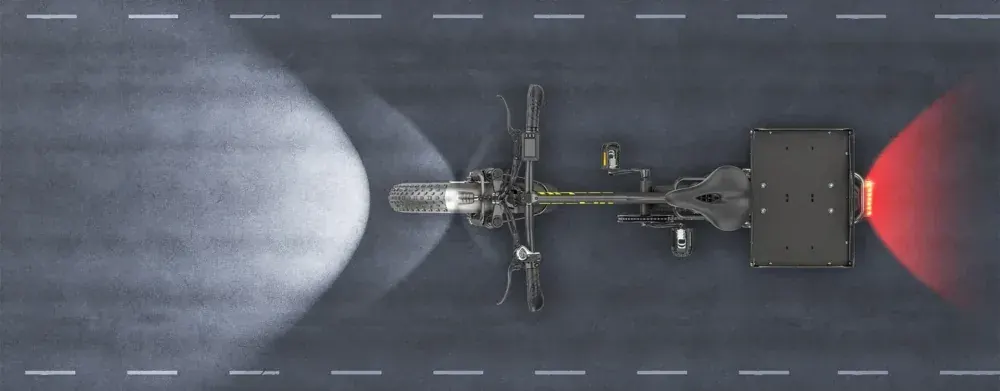
Biktron sells several Hidoes fat tyre models. The F3 is the cheapest, but you can spend a bit more for extra features. The Hidoes F3 PRO Cargo at £850 adds a rear rack and stronger motor for carrying loads.
If you need a dual battery for much longer range, the Hidoes B9 costs £750 and includes two batteries. That effectively doubles your riding distance, which matters for commuters who cannot charge at work.
For pure city commuting, you might prefer a slimmer model from the City Bikes category. Fat tyres are fun, but they are not the fastest on smooth tarmac. Check our all guides for more comparisons.
Maintenance and ownership costs
Battery care
The removable battery is the most expensive component to replace, so look after it. Charge it indoors at room temperature, and do not leave it fully discharged for weeks. Most e-bike batteries last 500 to 800 charge cycles before capacity drops noticeably.
In winter, store the battery above freezing and charge it just before you ride. Cold batteries deliver less range, but they recover when warmed up. Following these habits will keep your Hidoes F3 running for years.
Servicing the drivetrain
Fat tyre e-bikes put more strain on the chain, cassette and brake pads. Expect to replace brake pads every 500 to 1000 miles, depending on how hilly your area is. Keep the chain lubricated and check tyre pressure weekly.
You can do most basic maintenance yourself with a set of Allen keys and a track pump. For brake bleeding or motor issues, find a local bike shop that works on e-bikes. Biktron also offers advice if you contact their support team.
Verdict: is it worth £550?
At £550, the Hidoes F3 is an honest budget fat tyre e-bike. You get a legal 250W motor, a removable battery and chunky tyres that smooth out rough UK roads. It is not a speed machine and the components are basic, but the price is hard to beat.
If your rides are short, casual and often on uneven ground, this bike is a bargain. If you need long range or fast road performance, spend a bit more on a dual battery or city model. For most leisure riders on a strict budget, the F3 does the job without breaking the bank.
Frequently asked questions
Is the Hidoes F3 road legal in the UK?
Yes. It has a 250W motor and assistance cuts off at 15.5 mph, which meets EAPC rules. You must be 14 or older, and you do not need a licence, tax or insurance.
How far can the Hidoes F3 go on one charge?
The manufacturer quotes a maximum range, but real-world UK range will be lower, especially in cold weather or on hills. Expect roughly 60 to 70 percent of the quoted figure for typical commutes.
Does the Hidoes F3 have a removable battery?
Yes, the battery is removable. You can take it indoors to charge, which is useful for flats, offices and cold winter storage.
What is the difference between the Hidoes F3 and the F3 PRO Cargo?
The F3 PRO Cargo costs £850 and adds a rear rack and a stronger motor for carrying loads. The standard F3 is cheaper and lighter, aimed at general leisure riding.
Are fat tyre e-bikes good for commuting?
They are excellent for rough roads, towpaths and wet conditions. However, they are heavier and slower than slim city e-bikes, so they suit shorter commutes under 15 miles.