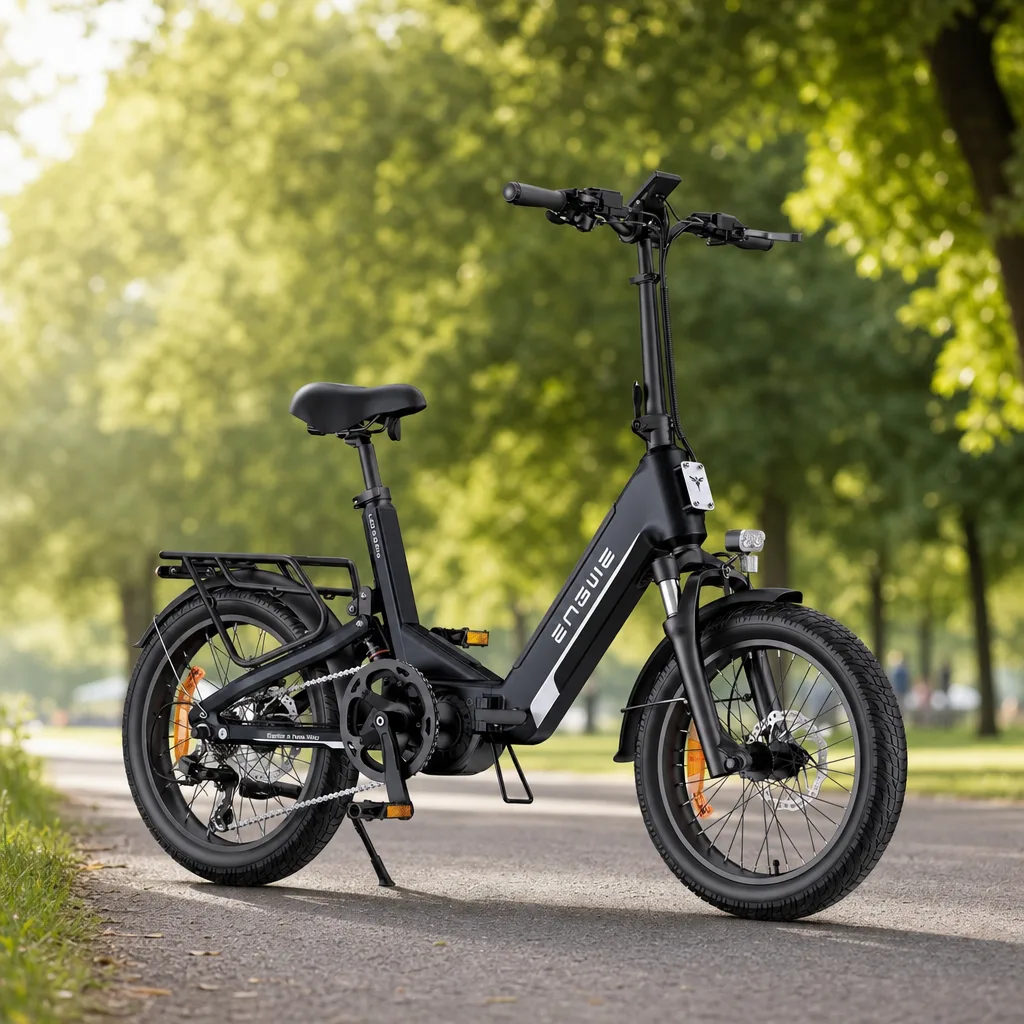
Engwe E26 Review: Is This £1189 Fat Tyre E-Bike Worth It?
The Engwe E26 is a fat tyre all terrain e-bike at £1189. We explain UK law, realistic range and who should buy it. No hype, just an honest value verdict.

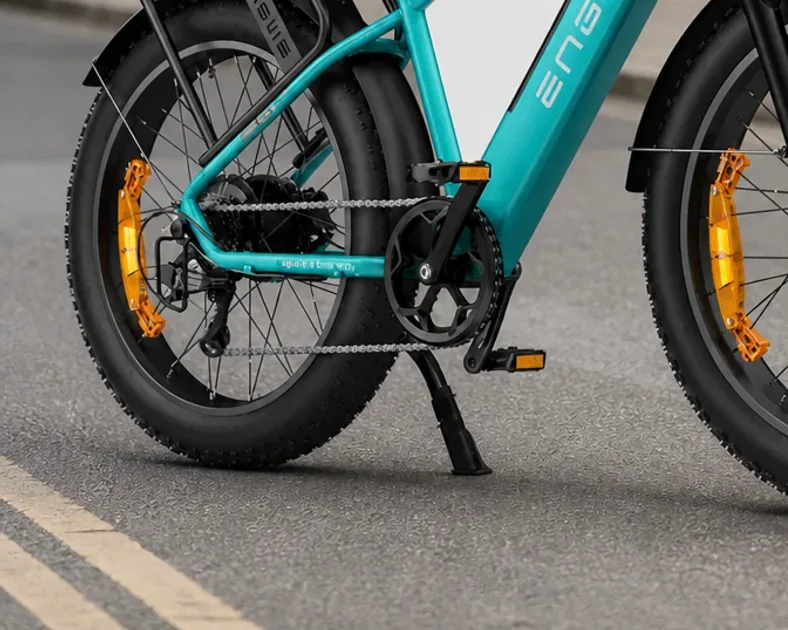
The Engwe E26 sits in a busy part of the UK e-bike market, a fat tyre all terrain model at £1189. It promises stable comfort on broken roads, towpaths and light trails. That price is real in our shop right now, not a made up figure.
This review is based on the published specification, the price in the store, and UK e-bike law. We have not ridden this exact bike, so we will not pretend we have. Instead we judge what the spec sheet and price add up to for everyday riders.
You will find the details on the Engwe E26 product page and can compare it against the full Engwe range. Below we explain who this bike is actually for.
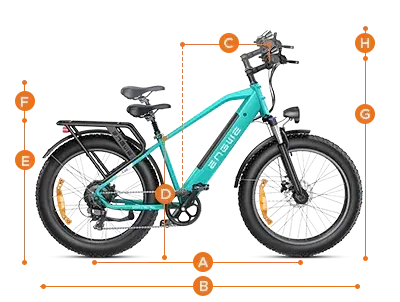
At a glance: what the Engwe E26 is
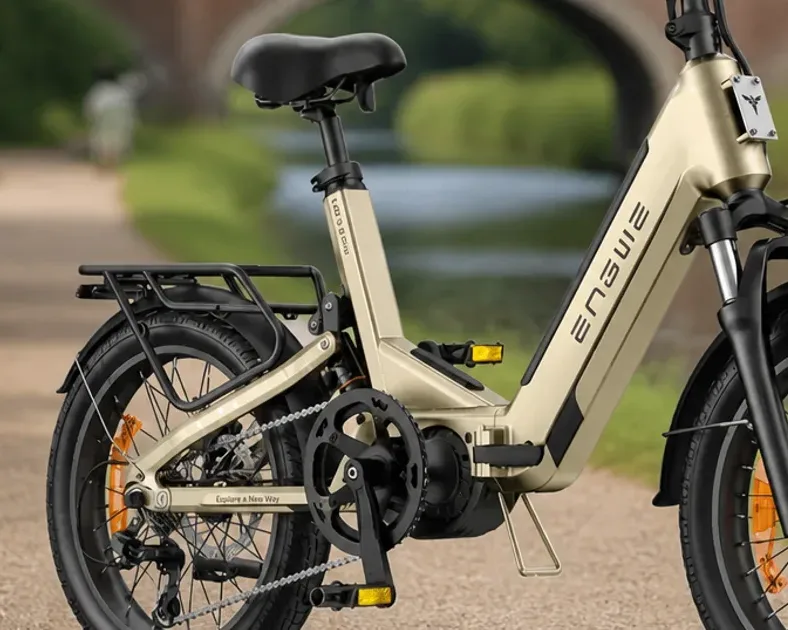
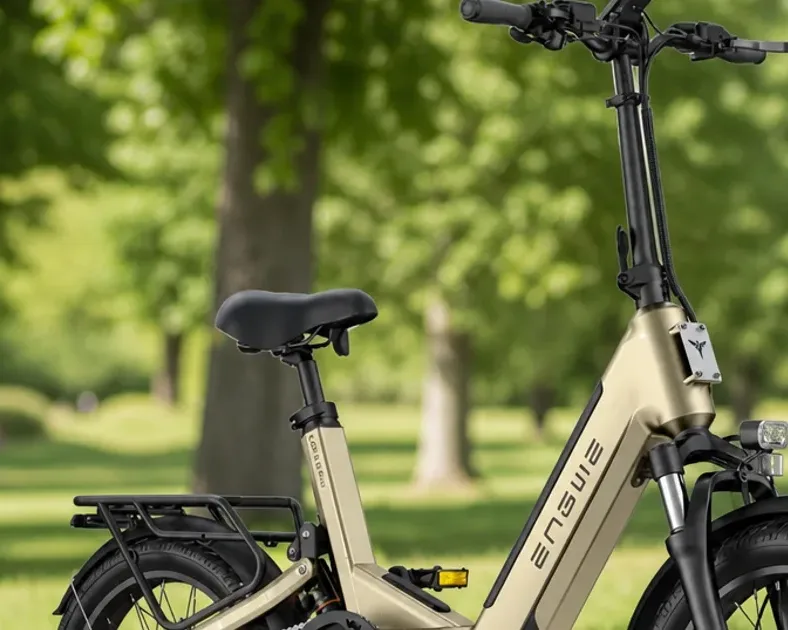
The Engwe E26 is a full size fat tyre electric bike. It uses chunky tyres, a sit up riding position and a rear hub motor. It is designed for comfort rather than speed.
The frame is not a folding design, so it needs proper storage. The wide tyres add stability, but they also add weight. Expect a bike that feels planted and forgiving rather than nimble and quick.
Engwe sells a wide range of e-bikes, and this model sits in the brand's all terrain family. That means the E26 is meant for tarmac, gravel and easy off road paths. It is not a specialist downhill mountain bike.
Who this bike is for
The E26 suits two groups best. First, leisure riders who want a relaxed bike for canal paths and parks. Second, commuters with short to medium rides who do not need to carry the bike upstairs.
It is less suited to people who need a folding bike for a train or a car boot. It is also not a lightweight road bike. Keep your use case in mind before you focus on the wide tyres.
UK law and where you can ride the E26
In the UK, an electric bike used on public roads must meet EAPC rules. That means a 250W maximum continuous rated motor and pedal assistance that cuts out at 15.5 mph. You must be 14 or older to ride one.
The UK government's electric bike rules explain this in full. A compliant EAPC does not need tax, insurance or a driving licence. You can ride it anywhere a normal pedal cycle is allowed.
That includes roads, cycle lanes and bridleways. You cannot ride an e-bike on a motorway. You also cannot ride one on a pavement unless it is a shared use path signed for cycling.
EAPC rules in plain English
- The motor can have a continuous rated power of no more than 250W.
- Pedal assistance must stop at 15.5 mph.
- Any throttle can only work without pedalling up to 3.7 mph, unless the bike meets type approval.
- You must be at least 14 years old.
A standard EAPC is treated as a bicycle, not a motor vehicle. That means you can use cycle paths and you do not pay vehicle tax. If you modify the bike to go faster, it becomes a moped and you may need insurance, a licence and a helmet.
Some off road e-bikes have higher power or a full throttle. If the E26 has an off road mode, do not use it on public roads. Cycling UK's guide to e-bike law is a useful plain English source.
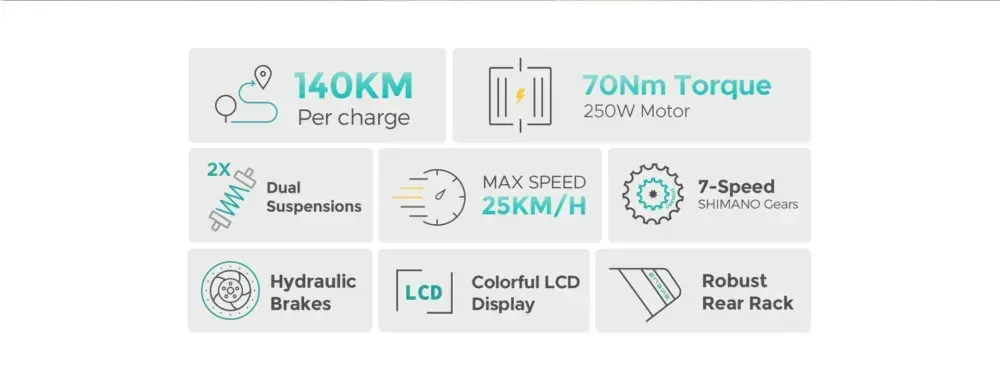
Motor, battery and realistic range
The E26 uses a rear hub motor with a battery mounted on the frame. Engwe publishes claimed figures for assistance range, but those are usually measured in ideal conditions. Think of them as a maximum, not a daily number.
Fat tyre e-bikes use more battery than sleek city bikes. The wide tyres add rolling resistance. If you ride on soft ground, into a headwind or up hills, the motor works harder and range falls.
Most e-bike displays let you choose the level of assistance. Use a lower mode on flat routes to save battery. Save the highest mode for hills or when you are tired.
Range is also affected by your weight and luggage. Carrying panniers or a backpack makes the motor work harder. A lighter rider on a flat route will always get more miles than a heavier rider on a hilly route.
Cold weather and hills reduce range
Cold temperatures reduce battery performance. In winter, expect a shorter ride from the same charge. Store the battery indoors and charge it at room temperature where possible.
Hills are the biggest range killer. A 250W motor will help you, but it will not flatten every climb. If your route has long or steep hills, plan a shorter range than the brochure suggests.
Fat tyres, comfort and everyday handling
The main reason to buy this bike is tyre comfort. Fat tyres run at lower pressure and soak up bumps. Potholes, gravel and tree roots feel much less harsh than on skinny tyres.
That comfort comes with a trade off. The bike is heavier and slower to accelerate. You will notice the weight when cornering at low speed or pushing the bike through a gate.
Wide tyres also give extra grip on loose surfaces. Riders often feel more confident on wet leaves, mud and gravel. That confidence is useful for UK winters and poor cycle paths.
If the bike has suspension forks, that helps smooth out the front end. Rigid forks are simpler and lighter, but they pass more vibration to your hands and wrists.
On road versus off road
On tarmac, the E26 feels stable and planted. The tyres give confidence on wet or broken surfaces. But you will not win any speed records on smooth roads.
Off road, the E26 works best on easy trails, towpaths and hardpacked paths. It is not an enduro mountain bike. Avoid big drops or rocky technical descents unless the model specification clearly says otherwise.
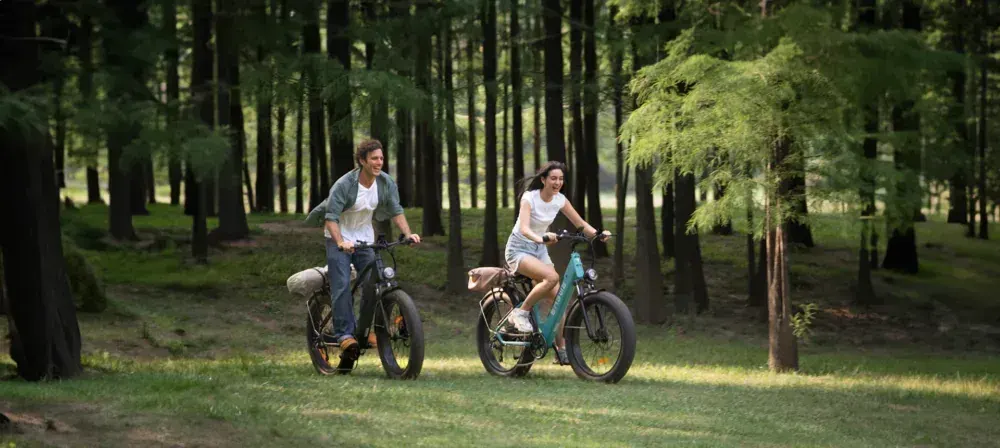
Gears, brakes and the bits you touch daily
The E26 specification includes gears and disc brakes. Check the exact gearing and brake type on the product page before you buy. Disc brakes give more consistent stopping in the wet than old rim brakes.
Most everyday riders will use a few gears rather than all of them. The key is that you have a low gear for hills and a high enough gear for gentle descents. The motor does the rest.
If the display shows speed, battery level and assist mode, that is enough for daily use. Walk assist can help when you push the bike up a steep ramp or a station footbridge, if the model includes it.
Fat tyres need the right pressure. Too low and you risk pinch flats and sluggish handling. Too high and you lose the comfort benefit. The sidewall usually lists a recommended range.
What to check after delivery
- Check the brakes bed in properly during the first few rides.
- Check tyre pressure weekly, fat tyres lose air over time.
- Check all bolts are tight after the first 50 miles.
- Keep the chain clean and lightly lubricated if it has a derailleur.
Commuting vs leisure: which type of rider should buy it
For a 4 to 6 mile commute, the E26 can be a comfortable and stable option. It copes well with poor road surfaces and light off road shortcuts. You arrive less shaken than on a slim city bike.
For longer commutes, consider battery range and your ability to pedal when assistance cuts off at 15.5 mph. If your journey has long stretches above that speed, you will be pedalling a heavy bike unassisted.
You also need somewhere secure to park it. A heavy fat tyre bike is harder to carry into an office or a flat. Factor in a good lock and possibly a cover if you park outside.
A commute with secure parking is essential. A heavy e-bike left on the street is a target for thieves. Use a Sold Secure rated lock and, if possible, park inside.
When a lighter city bike is better
If you need to carry the bike up stairs or lift it onto a train, a lighter folding model is a better match. You can browse all terrain electric bikes if you want a like for like comparison.
If your commute is mostly smooth tarmac and you never leave the road, a city bike may use its battery more efficiently. But if you value comfort over speed, the E26 still makes sense.
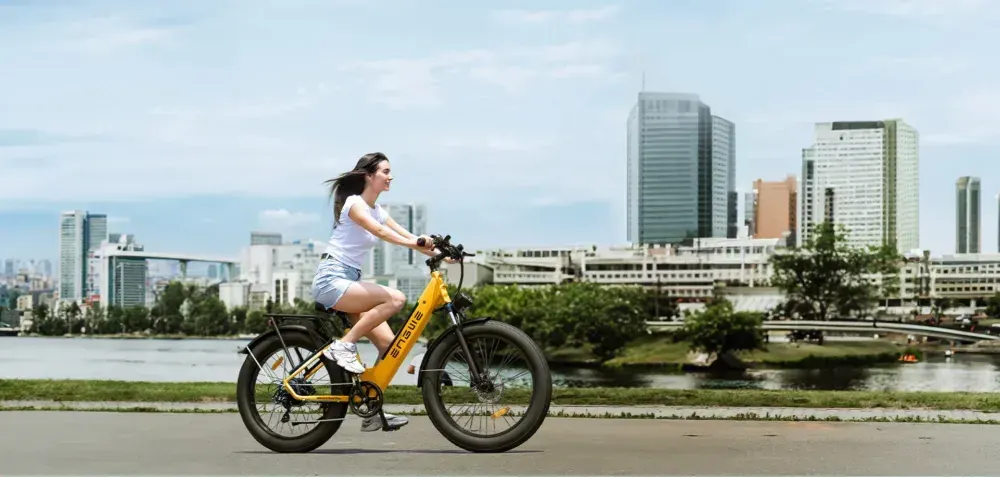
Price and value: how the E26 compares at £1189
At £1189, the E26 is not the cheapest fat tyre e-bike, but it is also not at the premium end. For that price, you expect a decent motor, a removable battery, disc brakes and a sturdy frame.
Value depends on how much you will use the bike. If you ride twice a week, the cost per mile is reasonable. If it sits in a shed, no e-bike is good value.
Remember to budget for a helmet, lights and a strong lock. Some bikes come with basic lights, but you will still need to think about security and winter clothing.
At £1189, the E26 competes with mid range fat tyre e-bikes from several brands. The difference often comes down to battery size, motor brand and local support. Buying from a UK store helps with warranty and returns.
Cheaper and pricier alternatives in the Engwe range
If you want a folding fat tyre bike with a lower price, the Engwe L20 Boost is worth a look. It is currently £1069 and suits people who need to store the bike in a small space.
If you want more power and a folding design, the Engwe Engine Pro 3.0 Boost is priced at £1669. That is a sizeable step up, so only consider it if you need the extra capability. You can also browse the full All Bikes range for other brands and styles.
Long term ownership notes
Fat tyre e-bikes need a little more care than regular bikes. The extra weight puts more load on brake pads, tyres and the drivetrain. Budget for replacement brake pads and possibly a new chain or cassette after the first few thousand miles.
Battery life depends on how you charge it. Avoid leaving it fully charged for weeks in a hot shed. If you store the bike over winter, charge the battery to around half and top it up every few weeks.
Your legal rights apply when you buy from a UK retailer. Keep your order confirmation and register the bike if the brand offers a warranty registration. That can make future claims easier.
Tyres wear faster if you ride mostly on tarmac. Check the tread regularly. Swap to a smoother central tread if most of your miles are on the road, as long as it suits the rim width.
Battery care and maintenance
Remove the battery if you park outside in cold weather. Bring it indoors to charge. Do not use a damaged charger or leave the battery charging unattended overnight.
A good local bike shop can handle brake adjustments, gear indexing and wheel trueing. You do not need to be a mechanic, but a basic pre-ride check is wise.
Final verdict: is the Engwe E26 worth £1189?
If you want a comfortable fat tyre e-bike for short commutes, towpaths and relaxed weekend rides, the E26 is a fair value at £1189. It is a stable and forgiving bike, especially on rough UK roads.
If you need a light folding bike for trains, or you want maximum speed on smooth tarmac, this is not the best tool. The score below reflects that trade off. It is a good comfort buy, not a performance buy.
For the right rider, the E26 earns a solid recommendation. Just be honest about your route, your storage and how often you will actually ride.
Frequently asked questions
Is the Engwe E26 road legal in the UK?
Yes, as long as it is supplied as a UK EAPC compliant model. It must have a 250W maximum continuous rated motor and pedal assistance that stops at 15.5 mph. You must be at least 14 years old. A compliant e-bike needs no licence, tax or insurance.
What real world range can I expect from the Engwe E26?
The published range is a maximum figure under ideal conditions. In the real UK conditions, hills, cold weather, headwinds and rider weight all reduce it. Expect noticeably less than the brochure figure, especially in winter or on hilly routes.
Is the Engwe E26 good for commuting?
It is good for short to medium commutes on rough roads and light off-road paths. It is less good if you need to carry it upstairs, fold it onto a train, or maintain speeds above the 15.5 mph assistance limit for long stretches.
Does the Engwe E26 need any special maintenance?
Fat tyre e-bikes need regular brake pad checks, correct tyre pressure and battery care. Store the battery indoors in cold weather and charge it at room temperature. A basic pre-ride check is enough for most riders.