How Long Do Electric Bike Batteries Last? UK Owner's Guide
Discover how long your electric bike battery should last, how to prolong its life, and when it’s time for a replacement. UK-specific advice from Biktron.

The line-up compared
| Model | Price | Motor | Range | Top speed | UK road status |
|---|---|---|---|---|---|
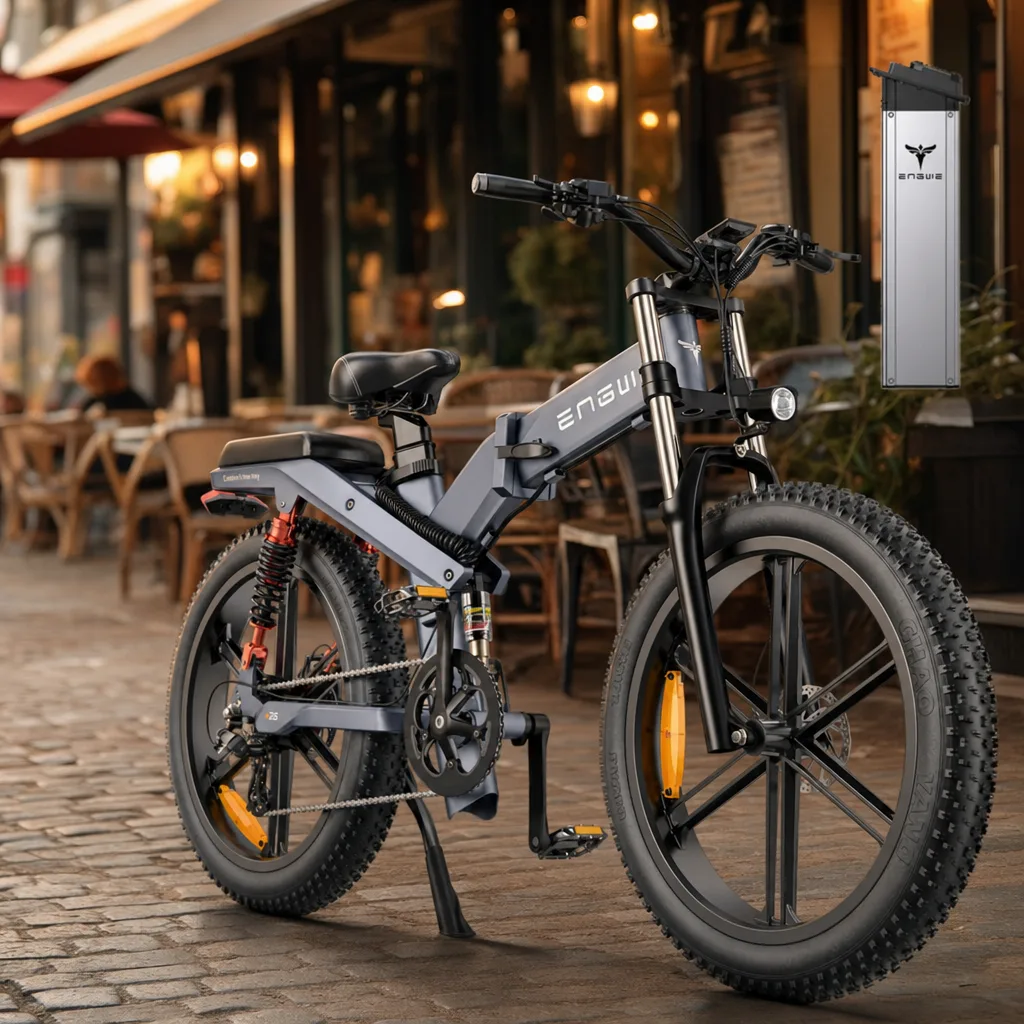
| Engwe L20 3.0 Pro Foldable Electric Bike | £1,369.00 | 250W | 87 Miles | 15.5 Mph | Road legal |
| Fafrees F20 Max Folding Electric Bike | £964.00 | 500W | 62 Miles | 15.5 Mph | Private land only |
| Engwe Engine Pro 3.0 Boost Folding Electric Bike | £1,669.00 | 250W | 50 Miles | 15.5 Mph | Road legal |
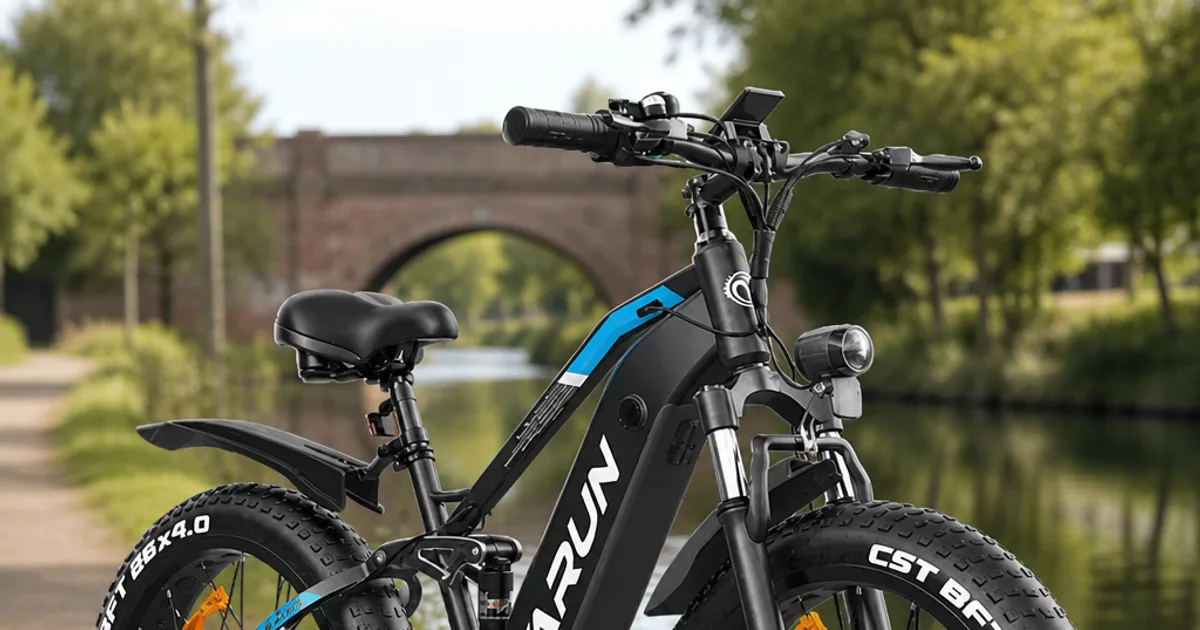
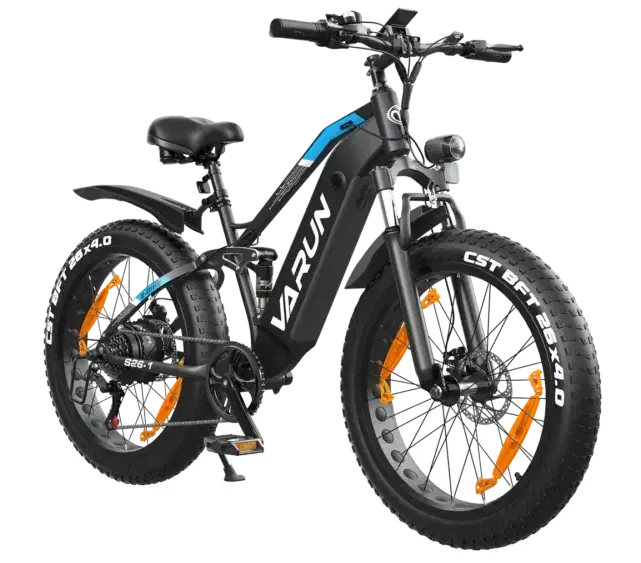
| Varun S26-1 Fat Tire Electric Bike | £949.00 | 750W | 50 Miles | 15.5 Mph | Private land only |
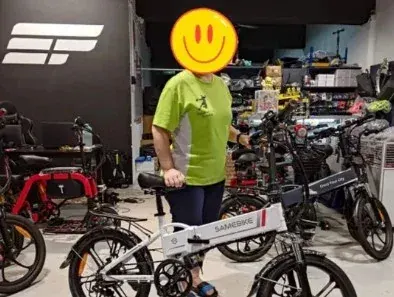
| Samebike 20LVXD30-II Folding Electric Mini Bike | £489.00 | 250W | 22 Miles | 15.5 Mph | Road legal |
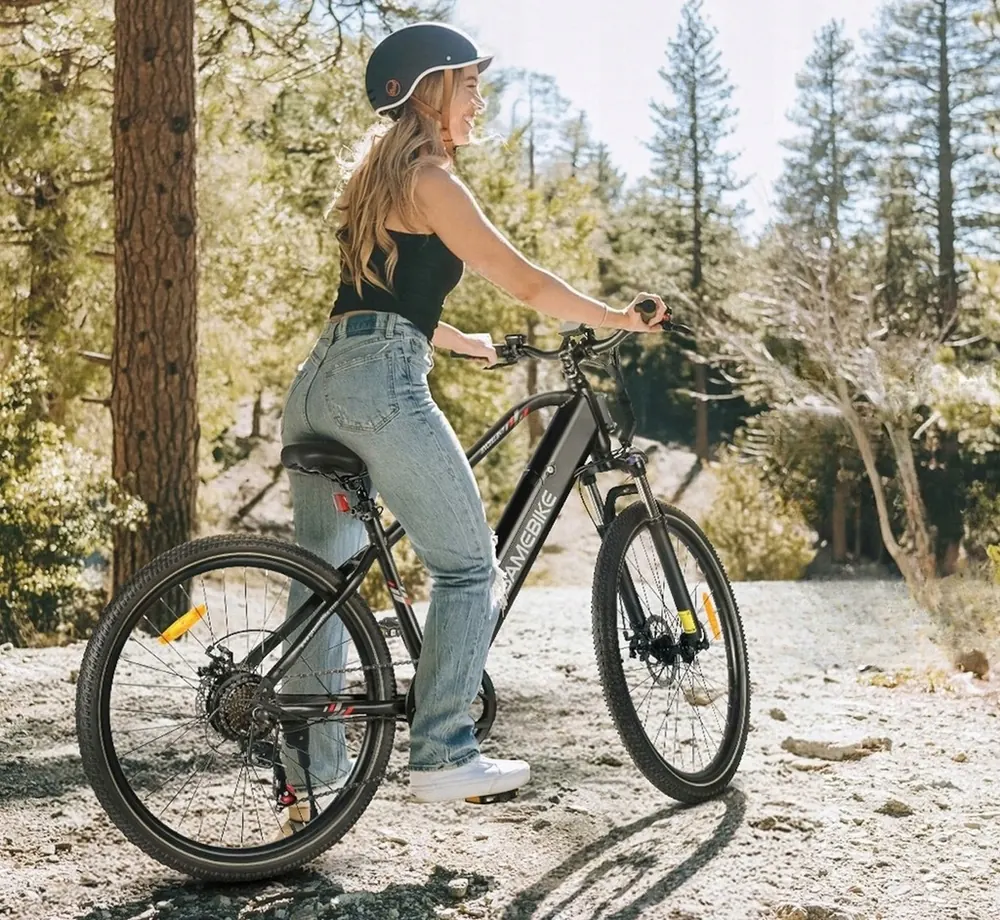
| SAMEBIKE RS-A01 MEN1.0 Electric Mountain Bike | £589.00 | 500W | 56 Miles | 15.5 Mph | Private land only |
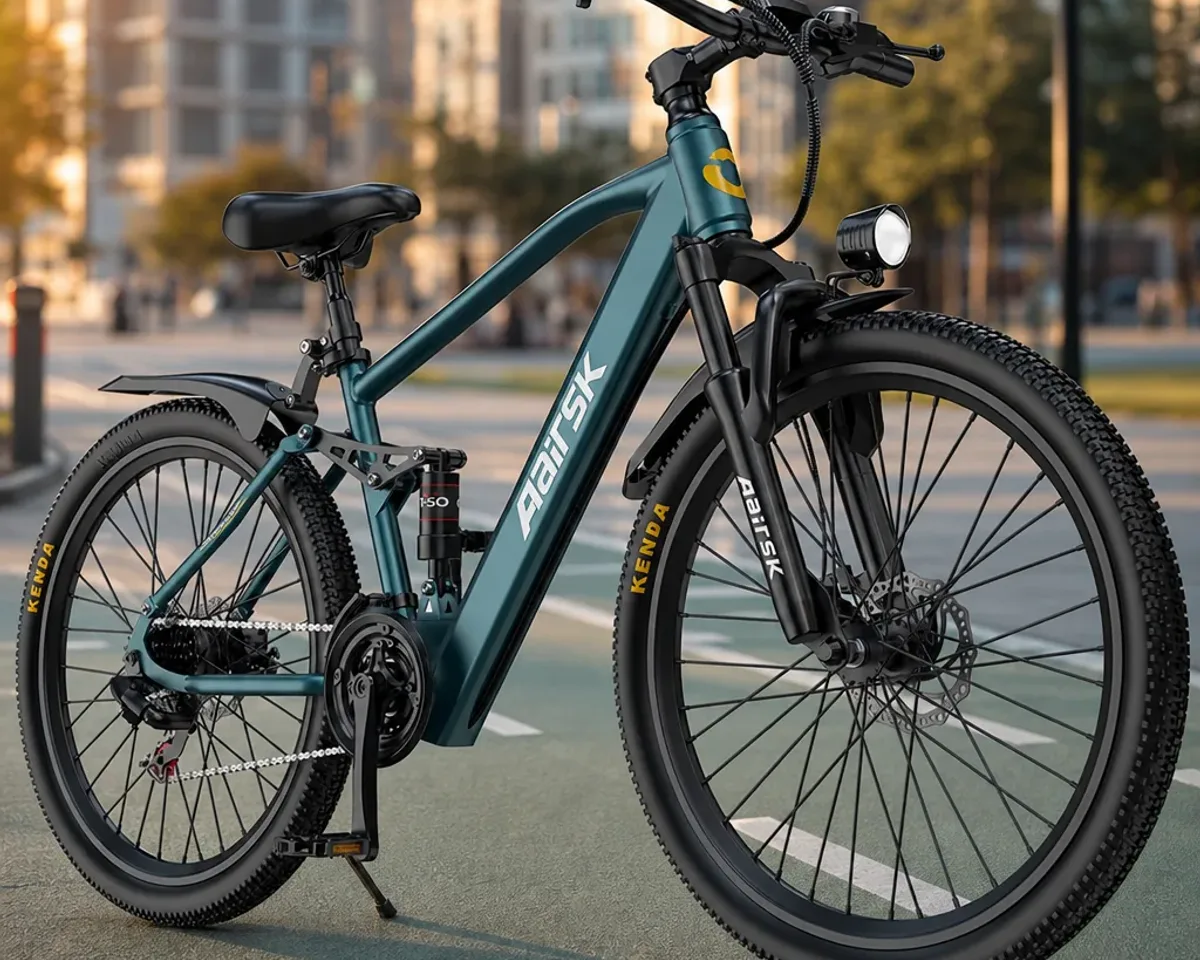
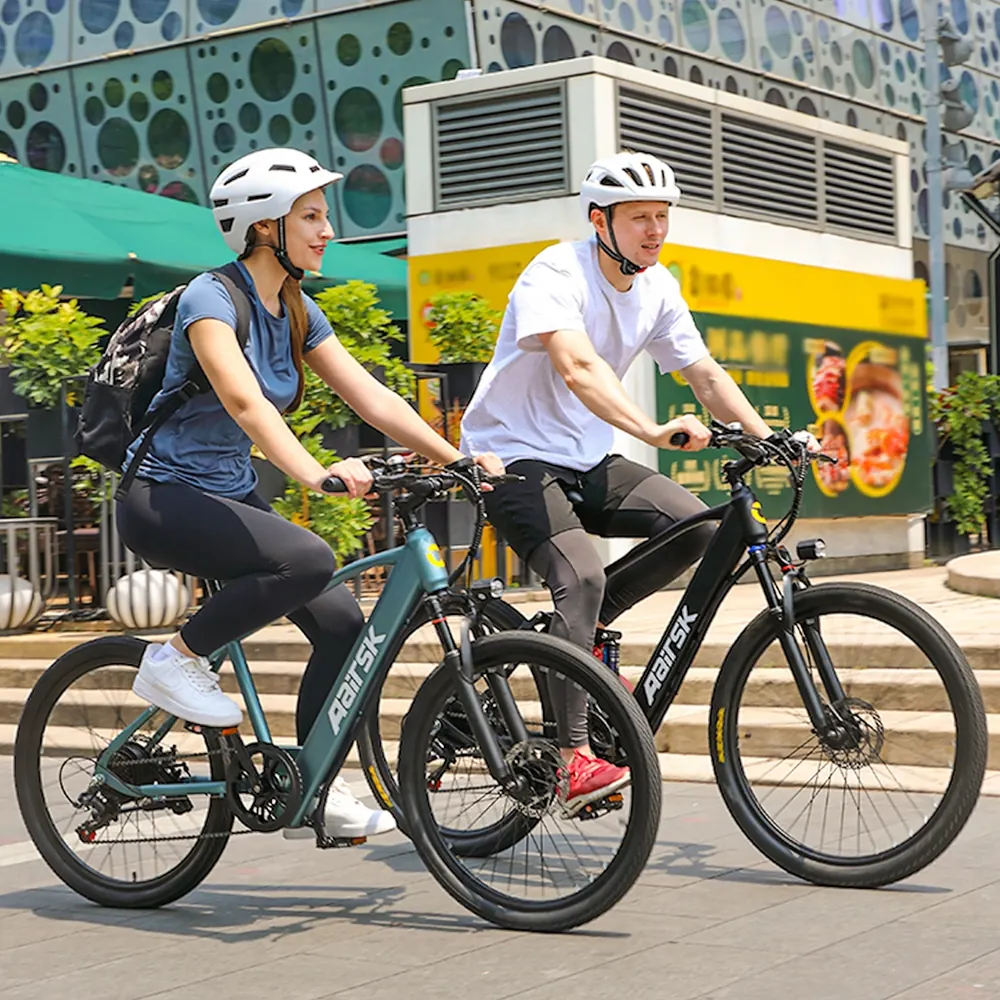
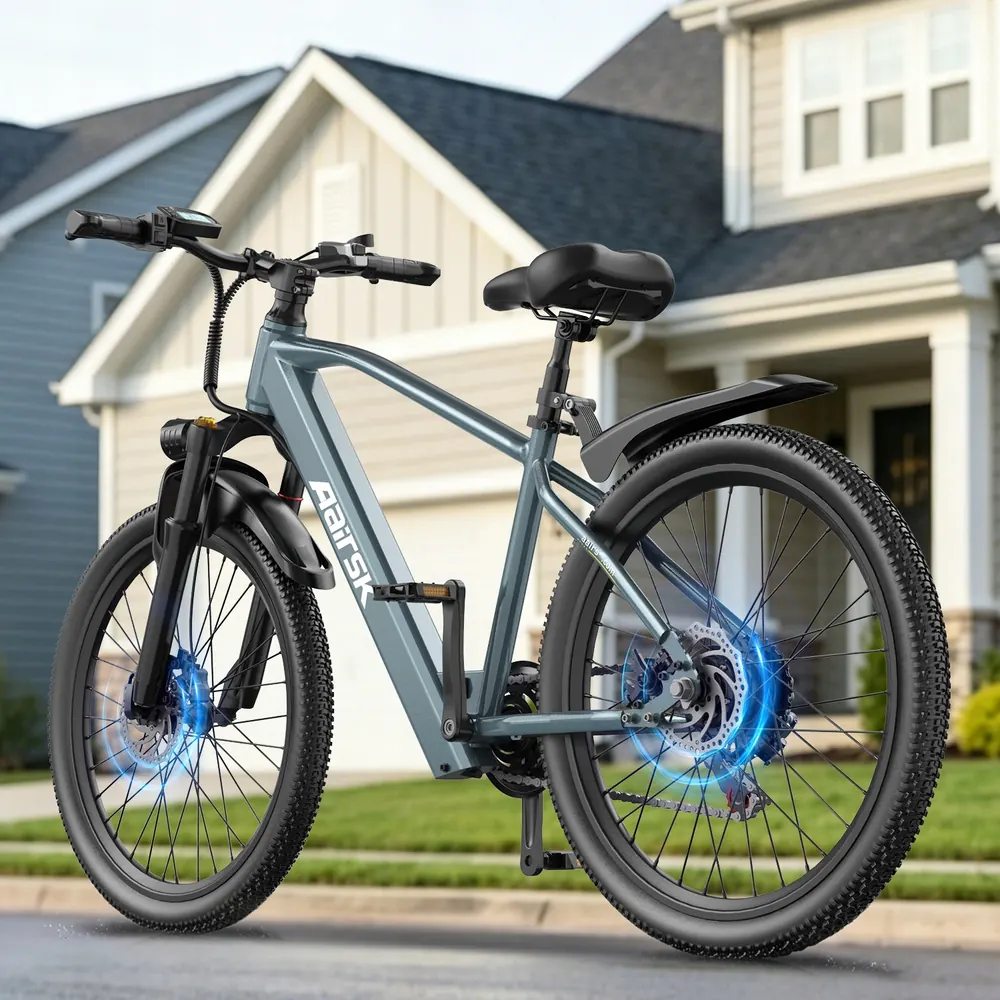
| AAIRSK GT900 Mountain Electric Bike | £599.00 | 250W | 43 Miles | 15.5 Mph | Road legal |
| AAIRSK GT300 Mountain Electric Bike | £499.00 | 250W | 28 Miles | 15.5 Mph | Road legal |
Electric bike batteries are the heart of your e-bike. Without a healthy battery, even the best motor is useless. Many UK riders ask us: how long will my battery really last? The answer depends on how you ride and care for it. In this guide, we cover everything you need to know.
You will learn about typical battery lifespans, charging dos and don’ts, and UK-specific advice. Whether you commute in London or explore the Peak District, these tips will help. So, let’s dive into the world of e-bike batteries and keep you rolling for years.
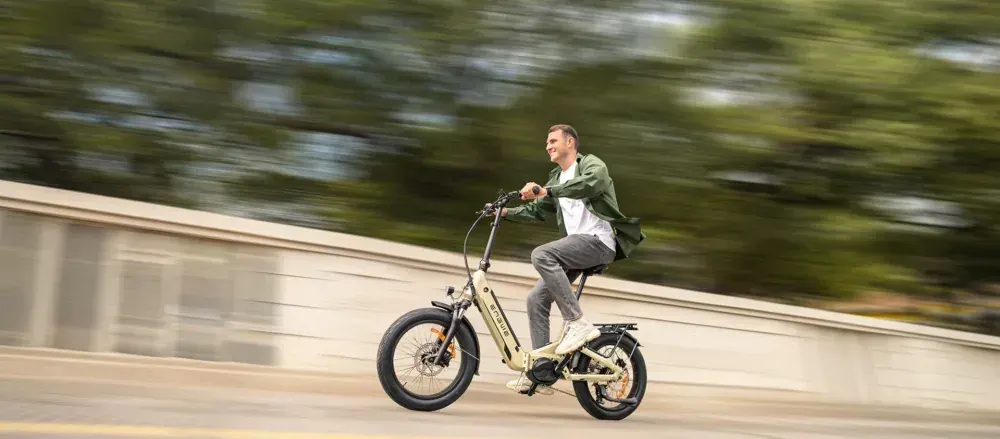
How Long Does an E-Bike Battery Typically Last?
Most modern e-bike batteries use lithium-ion cells. These are similar to those in your laptop or phone. They are designed to last for 500 to 1,000 full charge cycles. (Wikipedia explains the chemistry.) After that, they still work but hold less charge.
In real terms, that means three to five years of regular use. If you ride daily, expect around 500 cycles over that time. Many UK commuters travel 20 to 40 miles per charge. So a battery might cover 15,000 to 20,000 miles before it weakens noticeably.
Battery Lifespan in Charge Cycles
A charge cycle is when you use 100% of the battery’s capacity, not necessarily in one go. If you use half the battery one day and charge it fully, that’s only half a cycle. Partial charges are better for lithium-ion batteries anyway.
Manufacturers usually rate their batteries for 500 to 1,000 cycles to 80% original capacity. After that, the range drops more quickly. A well-cared-for battery might give you 800 cycles, while a neglected one might fail sooner. The key is how you treat it.
Real-World Mileage Expectations
On a full charge, a typical e-bike battery can power you for 30 to 60 miles. That varies heavily. High assist levels, hills, and headwinds reduce range. A lightweight city bike like our DYU C2 City Electric Bike can achieve the upper end.
For a battery’s total mileage over its life, multiply average range by total cycles. If your bike averages 40 miles per full charge and the battery lasts 600 cycles, you could cover 24,000 miles. That’s a lot of riding. Most UK owners won’t need a replacement for at least four years.
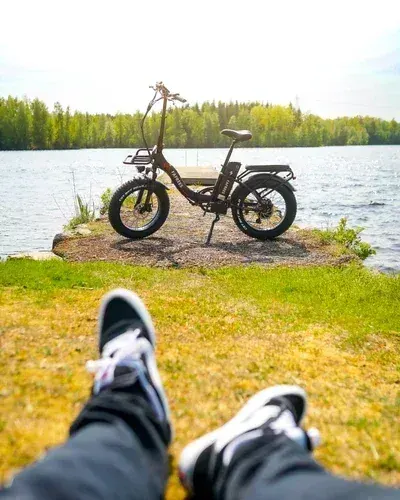
What Affects Your Battery’s Lifespan?
Many factors chip away at how long your e-bike battery lasts. The biggest ones are your riding style, the terrain, and how you store the battery. Understanding these will help you maximise its life.
Even small changes can add hundreds of cycles. For example, avoiding full throttle on steep climbs reduces strain. The same goes for carrying heavy loads. Your battery is a precision component, so treat it well.
Riding Conditions and Assist Level
High assist modes drain the battery faster and generate more heat. Consistently using turbo mode stresses the cells. In contrast, eco mode lets you travel much further per charge. Over time, that gentler use can extend the battery’s overall life.
Off-road riding, like with our AAIRSK GT900 Mountain Electric Bike, is tough on batteries. Mud, vibrations, and steep slopes demand more power. This doesn’t mean you can’t have fun, just be aware that rough use will wear the battery faster.
Rider Weight and Terrain
The heavier the total load, the harder the motor works. A rider plus shopping or a child seat increases the current draw. Similarly, hilly UK areas like Devon or Yorkshire sap more energy. Flat city paths, as seen with our City Bikes, are kinder to batteries.
- Rider weight: every extra kilo counts.
- Cargo: panniers and backpacks add up.
- Hills: climb often, cycle out sooner.
- Wind: headwinds can double power consumption.
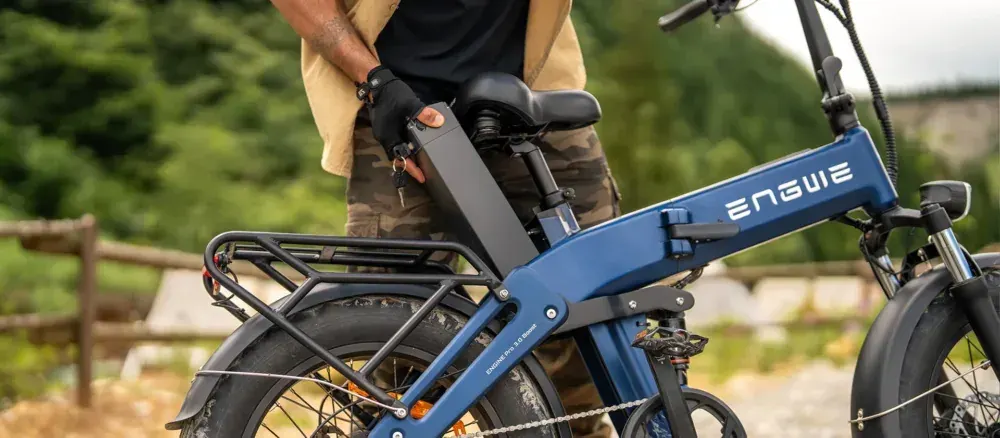
Charging Habits That Extend Battery Life
How you charge is probably the most important factor. Many riders make simple mistakes that shorten battery life. Follow these tips to get the most from your battery. (Cycling UK’s buying guide also covers battery care.)
Always use the charger supplied with your e-bike, or a manufacturer-approved replacement. Cheap third-party chargers can overcharge or deliver uneven current. This damages the cells and can be dangerous. Stick to original equipment.
When and How Often to Charge
Avoid running the battery completely flat. Lithium-ion cells hate being at 0% for long. Instead, top up when you get down to 20-30%. It’s fine to charge after every ride, even short ones. This partial charging actually extends cycle life.
Don’t leave the battery charging overnight all the time. Unplug it once it reaches full. Overcharging can generate heat and degrade the chemistry. Many modern chargers have auto cut-off, but it’s still a good habit to disconnect promptly.
Using the Correct Charger
Your e-bike battery has a specific voltage, usually 36V or 48V in the UK. Using a charger with the wrong voltage can fry the battery management system. Always double-check compatibility. If you lose your charger, contact the manufacturer or a reputable dealer like Biktron for a replacement.
- Use the original charger.
- Charge at room temperature, around 15-20°C.
- Avoid charging immediately after a ride; let it cool for 15 minutes.
- Charge on a hard, non-flammable surface away from direct sun.
Storing Your Battery Through UK Seasons
The British climate can be damp and chilly, which affects batteries. Proper storage is key to preserving battery life during periods of non-use. Whether it’s a winter layoff or a summer holiday, these tips will keep your battery in top shape.
Extreme temperatures are the enemy. Heat speeds up chemical degradation, while deep cold temporarily reduces capacity and can cause damage if charged. The ideal storage temperature is between 10°C and 20°C.
Indoor vs Outdoor Storage
Never store your e-bike battery outside in a shed or garage that gets freezing in winter. Condensation and frost can harm internal components. If possible, bring the battery indoors. A cool, dry cupboard or under the stairs is perfect.
If you must store the bike in a cold garage, at least remove the battery and keep it inside. The same goes for hot summer days; avoid leaving your e-bike locked in a car or conservatory. Heat can permanently reduce capacity.
Winter Storage Tips
For long-term storage, like over winter, charge the battery to about 50-60% before storing. A fully charged battery stored for months deteriorates faster. Check the charge level every few months and top up if needed. A battery at 0% for extended periods can become unusable.
Keep the battery clean and dry. Wipe off any mud or salt after winter rides. Corrosion on the terminals can cause poor connections. A little maintenance goes a long way.
UK E-Bike Laws and Your Battery
In the UK, e-bikes are regulated as Electrically Assisted Pedal Cycles (EAPCs). The law limits motor power to 250 watts and electrical assistance must cut off at 15.5 mph. Your battery works within these boundaries, so it’s safe and legal.
For more details, you can read the government’s official guidance at Gov.uk on e-bike rules. There is no specific law about battery capacity, but huge batteries on illegal e-bikes are a red flag. All Biktron bikes comply fully with UK regulations.
EAPC Compliance and Motor Cut-Off
The battery doesn’t directly enforce the speed limit; the controller does. But the battery must be capable of delivering power safely. A healthy battery ensures the motor operates as intended. If your battery is failing, it might cause erratic cut-out or reduced assist, which could be unsafe on roads.
You must be at least 14 years old to ride an e-bike on UK roads. While the battery isn’t a factor in age limits, its capacity influences range. For longer commutes, consider a high-capacity option like our AAIRSK SU7 City Electric Bike, which offers a generous range.
Spotting a Dying Battery: Signs You Need a Replacement
Even with the best care, batteries don’t last forever. When it’s time for a new one, your bike will show clear signs. Recognising them early saves you from being stranded.
The most obvious sign is reduced range. If a journey you once did with half the battery now uses 90%, it’s wearing out. Another clue is slower charging times or the charger never indicating a full charge.
Performance Warning Signs
You might notice the battery level drops rapidly at first, then stays steady, or it cuts out suddenly under load. The bike may feel less punchy on hills. All these suggest the cells are aged. If the battery depletes to zero in minutes from a full charge, it’s probably faulty.
- Range drops by more than 30%.
- Charging takes much less or more time than usual.
- Battery indicator lights flash erratically.
- Motor assist cuts in and out.
Physical Damage and Safety Concerns
Look for any swelling, cracking, or discolouration of the battery casing. If you smell a sweet or chemical odour, stop using it immediately and store it outside away from flammable materials. Damaged lithium-ion batteries can catch fire, so never ignore these signs.
If you suspect a problem, don’t attempt to open or repair the battery yourself. Contact a professional or your dealer. At Biktron, we can advise on safe disposal and replacement options. See our guides for more maintenance tips.
The Cost of Replacing Your E-Bike Battery
So, how much will a new battery set you back? In the UK, replacement e-bike batteries typically cost between £200 and £600. The price depends on the brand, capacity, and whether it’s a frame-integrated or rack-mounted type.
It’s important to weigh this against the price of a new e-bike. If your bike is several years old and the battery fails, sometimes buying a newer model with better technology makes more sense. Check our All Bikes range for current models.
Typical Replacement Costs
For a decent 36V 10-14Ah battery, expect to pay £250 to £400. Some proprietary designs from major brands can cost £500 or more. Always buy from a reputable source to ensure compatibility and safety. Counterfeit batteries are a fire risk and often have poor performance.
You can find aftermarket batteries that fit popular connectors, but ensure they match your motor’s voltage and current limits. Incorrect batteries can damage the controller. When in doubt, consult the manufacturer or a trusted shop.
DIY vs Professional Fitting
Many batteries are user-replaceable, especially on e-bikes with external packs. They simply slide off and on. However, integrated batteries hiding inside the frame may require mechanical skills. If you’re unsure, have a bike shop do the swap. It also ensures the old battery is recycled properly.
In the UK, you can recycle old batteries at many council recycling centres or through the manufacturer’s take-back scheme. Never throw a lithium-ion battery in general waste.
Choosing an E-Bike with a Long-Lasting Battery
The best way to avoid early battery woes is to choose wisely from the start. Look for e-bikes with name-brand cells like Samsung, LG, or Panasonic. A quality battery management system (BMS) is essential for balancing charge and preventing overheating.
All Biktron bikes use reliable lithium-ion packs with advanced BMS. For example, the DYU A5 Folding City Electric Bike features a smart battery that you can easily remove for charging. Such designs make battery care simpler.
Features to Look For
Check the battery’s capacity in watt-hours (Wh). A higher Wh means more range and often a larger number of cells. But that also adds weight. For urban commuting, 300-400Wh is plenty. For longer tours, aim for 500Wh or more. Our AAIRSK GT900 review highlights a bike with great value battery specs.
Also consider the warranty. Most reputable e-bike brands offer at least a 1-2 year warranty on the battery. Biktron stands behind every battery we sell, so you can ride with confidence. Read our Is AAIRSK a Good Brand? guide to learn more about our quality commitments.
Biktron’s Battery Expertise
At Biktron, we publish the manufacturer's battery specifications and provide clear care instructions. Our customer support team can answer battery-related questions about those specifications and recommended care after purchase. A little knowledge goes a long way in keeping you on the road.
Whether you choose a mountain, city, or folding bike, the same battery principles apply. Happy riding, and may your battery serve you well for many miles.
Frequently asked questions
How many years should my electric bike battery last?
Usually 3-5 years with regular use, depending on care and charge cycles. A well-maintained battery can last longer, while heavy use may shorten its life.
Can I leave my e-bike battery charging overnight?
It’s not recommended. Unplug when full to avoid overcharging. Modern chargers have auto cut-off, but it’s a good habit to disconnect promptly to prevent heat build-up.
Is it bad to ride my e-bike in the rain?
E-bikes are water resistant, not waterproof. Light rain is fine, but avoid submerging the battery. Dry it off after wet rides to prevent corrosion on terminals.
What do I do with my old e-bike battery?
Recycle it at a council recycling centre or return it to the manufacturer. Never throw lithium-ion batteries in household waste. They pose a fire risk and harm the environment.
How can I extend my battery’s range on a single charge?
Use lower assist levels, keep tyres inflated, avoid heavy loads, pedal more, and ride at steady speeds. Hills and headwinds reduce range, so plan accordingly.