E-Bike Range Explained, Why Real-World Miles Differ
Real-world e-bike range rarely matches the advertised number. This guide explains the key factors, battery, weight, hills, weather, and how to maximise your miles. Find honest advice and recommended Biktron models for typical UK riding.

The line-up compared
| Model | Price | Motor | Range | Top speed | UK road status |
|---|---|---|---|---|---|
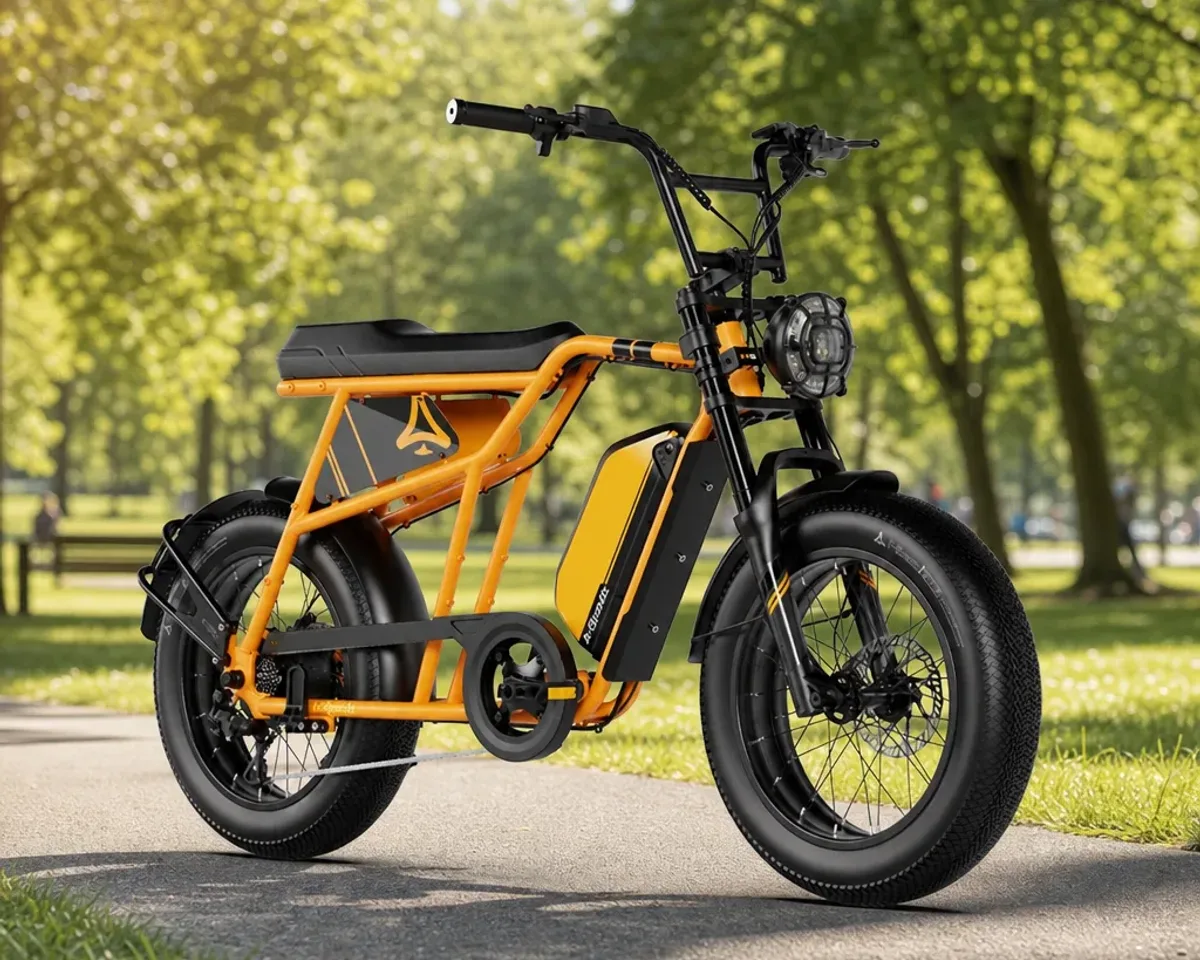
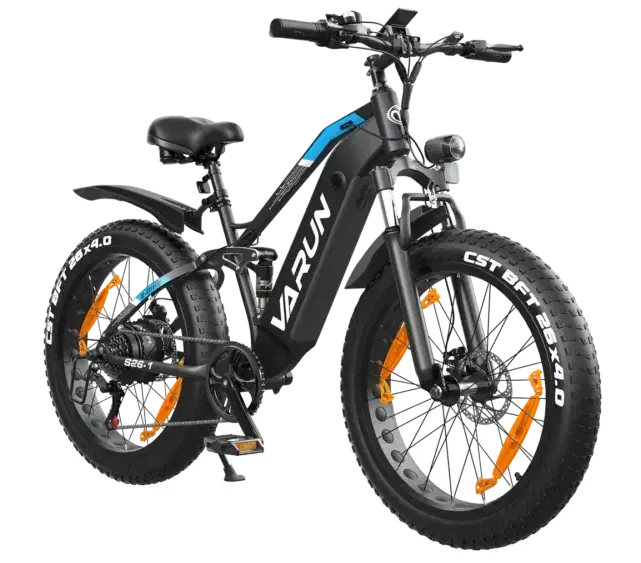
| Varun S26-1 Fat Tire Electric Bike | £949.00 | 750W | 50 Miles | 15.5 Mph | Private land only |
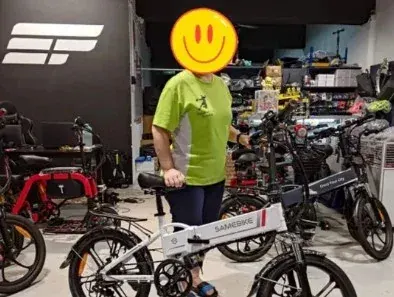
| Samebike 20LVXD30-II Folding Electric Mini Bike | £489.00 | 250W | 22 Miles | 15.5 Mph | Road legal |
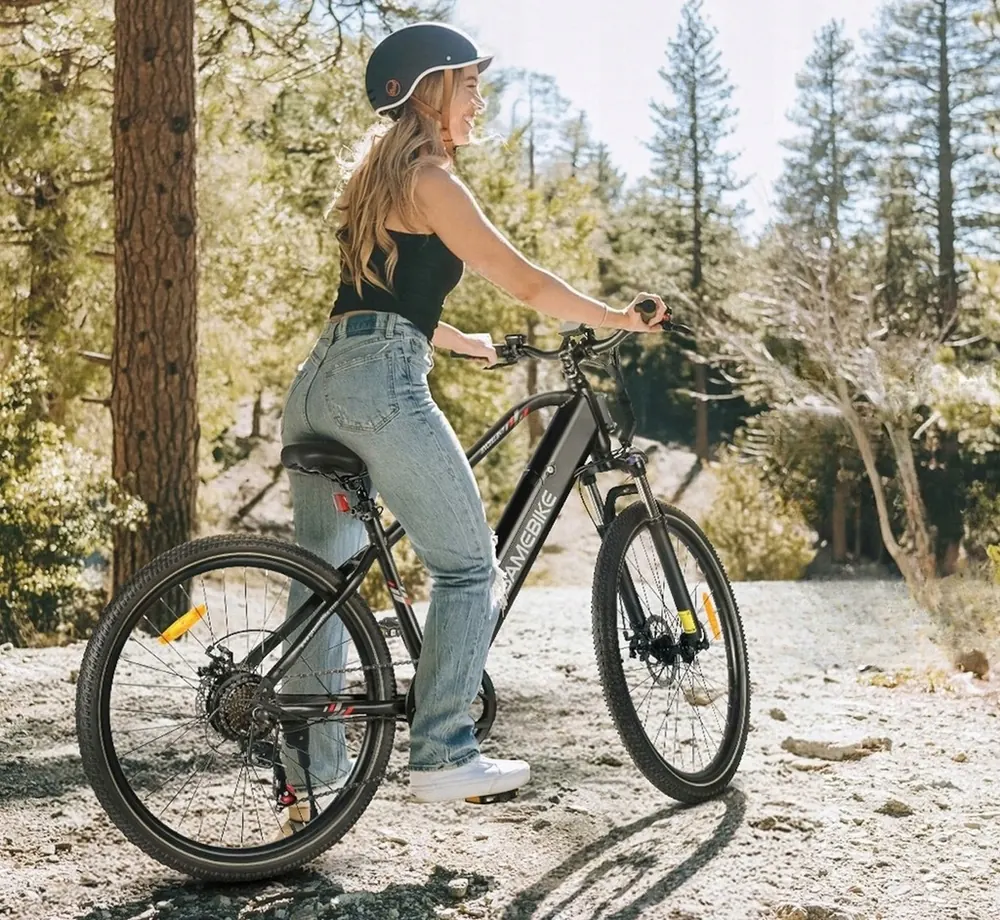
| SAMEBIKE RS-A01 MEN1.0 Electric Mountain Bike | £589.00 | 500W | 56 Miles | 15.5 Mph | Private land only |
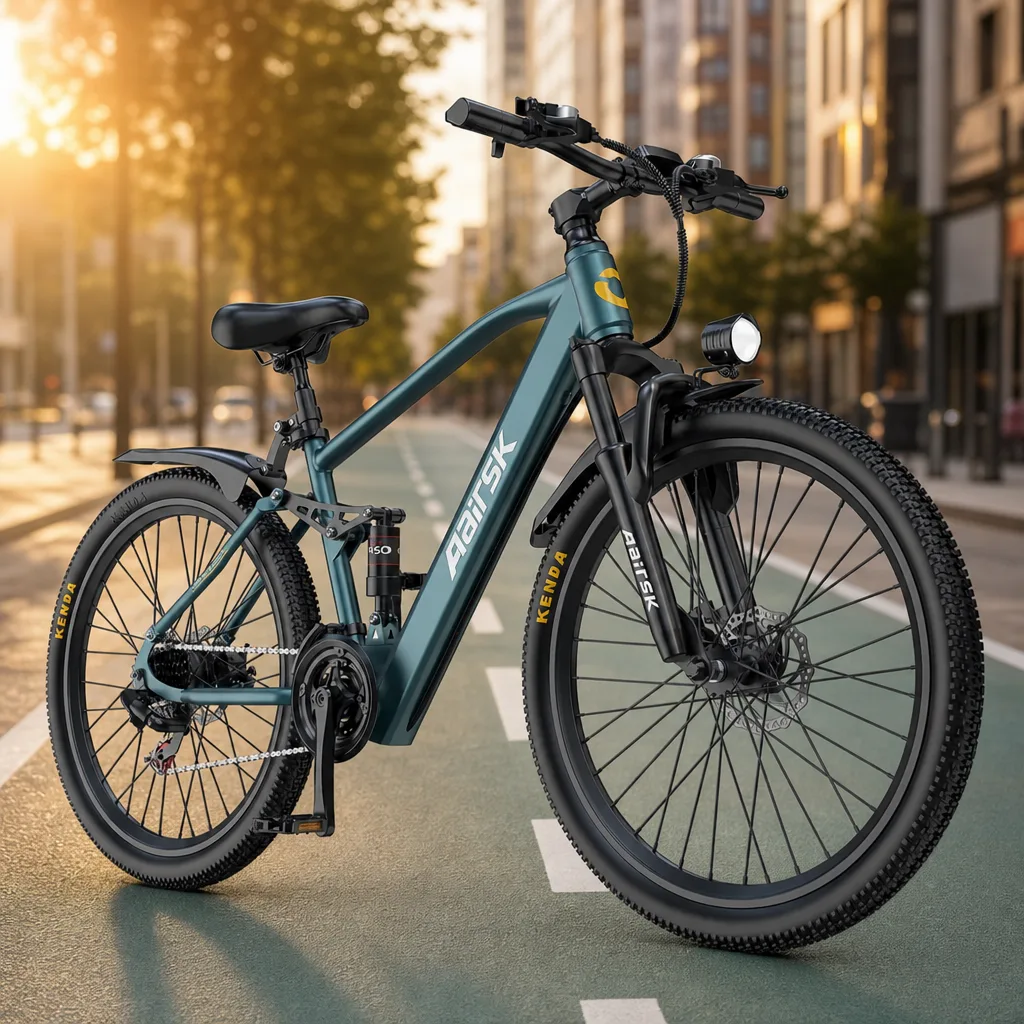
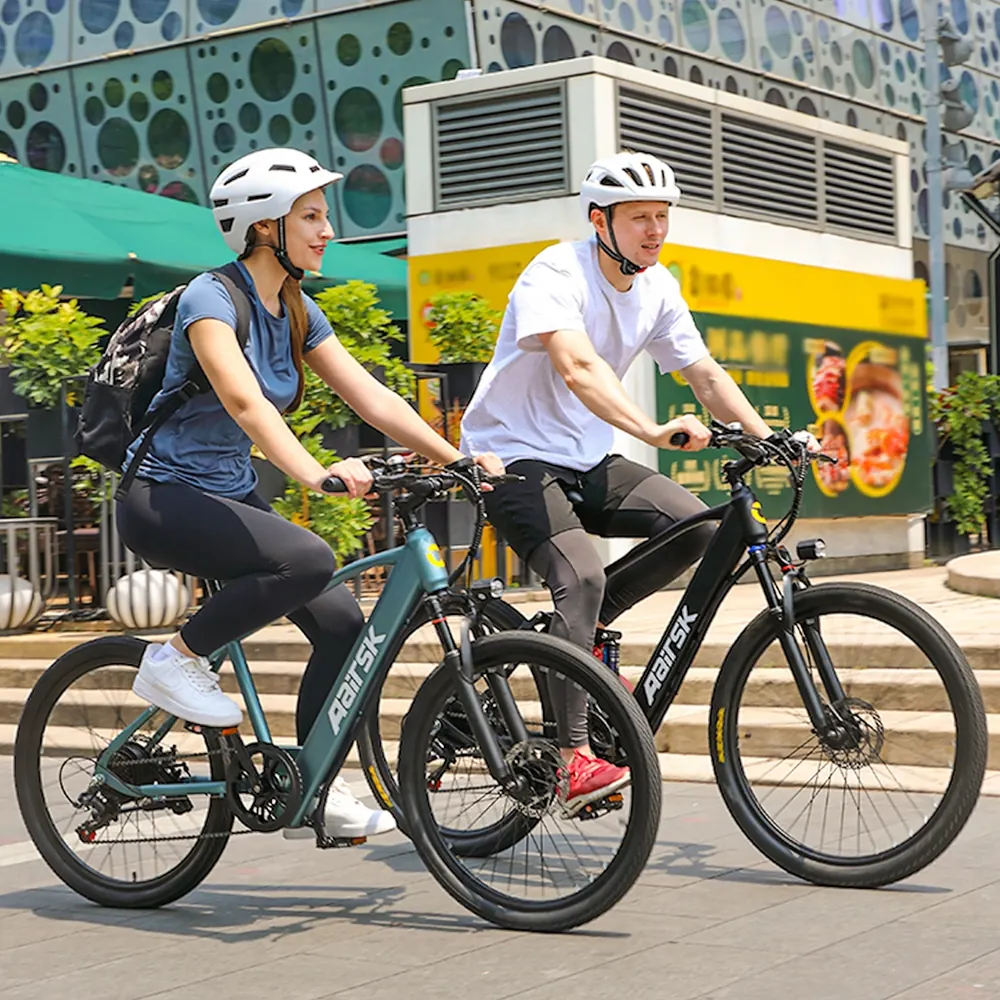
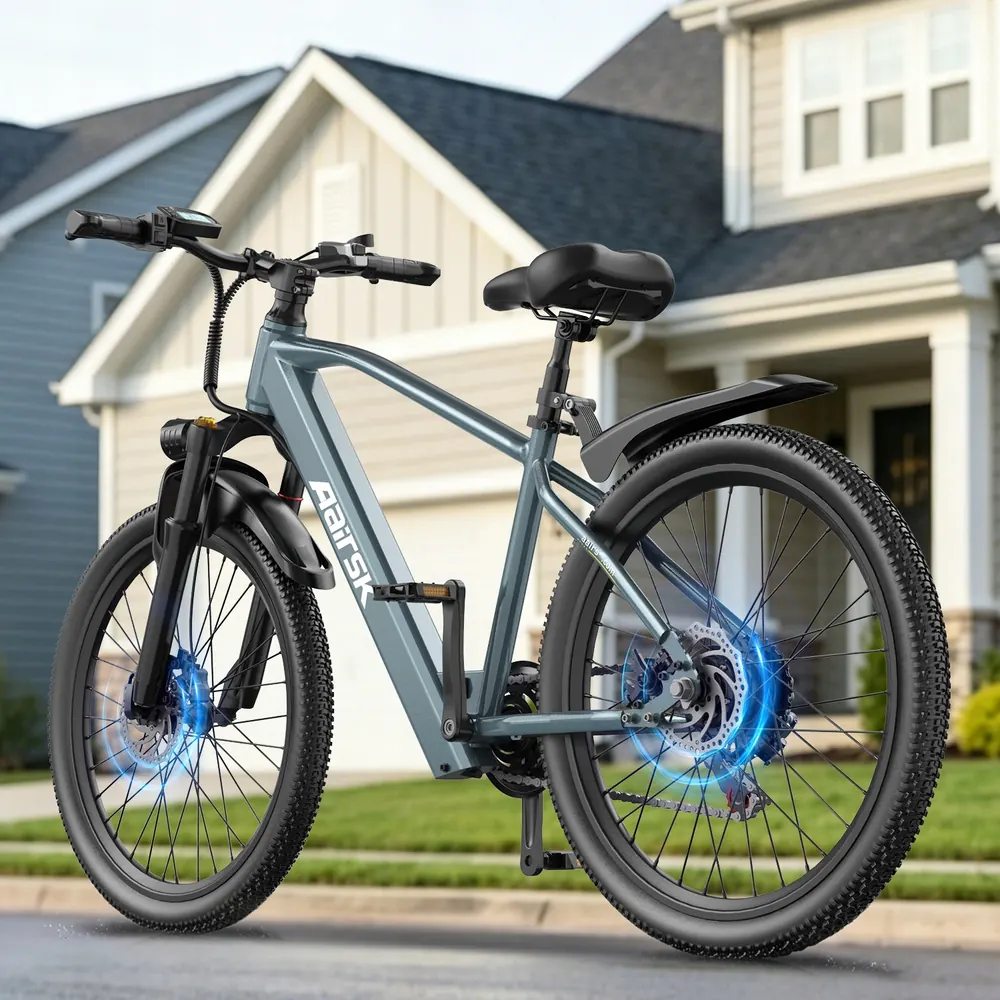
| AAIRSK GT900 Mountain Electric Bike | £599.00 | 250W | 43 Miles | 15.5 Mph | Road legal |
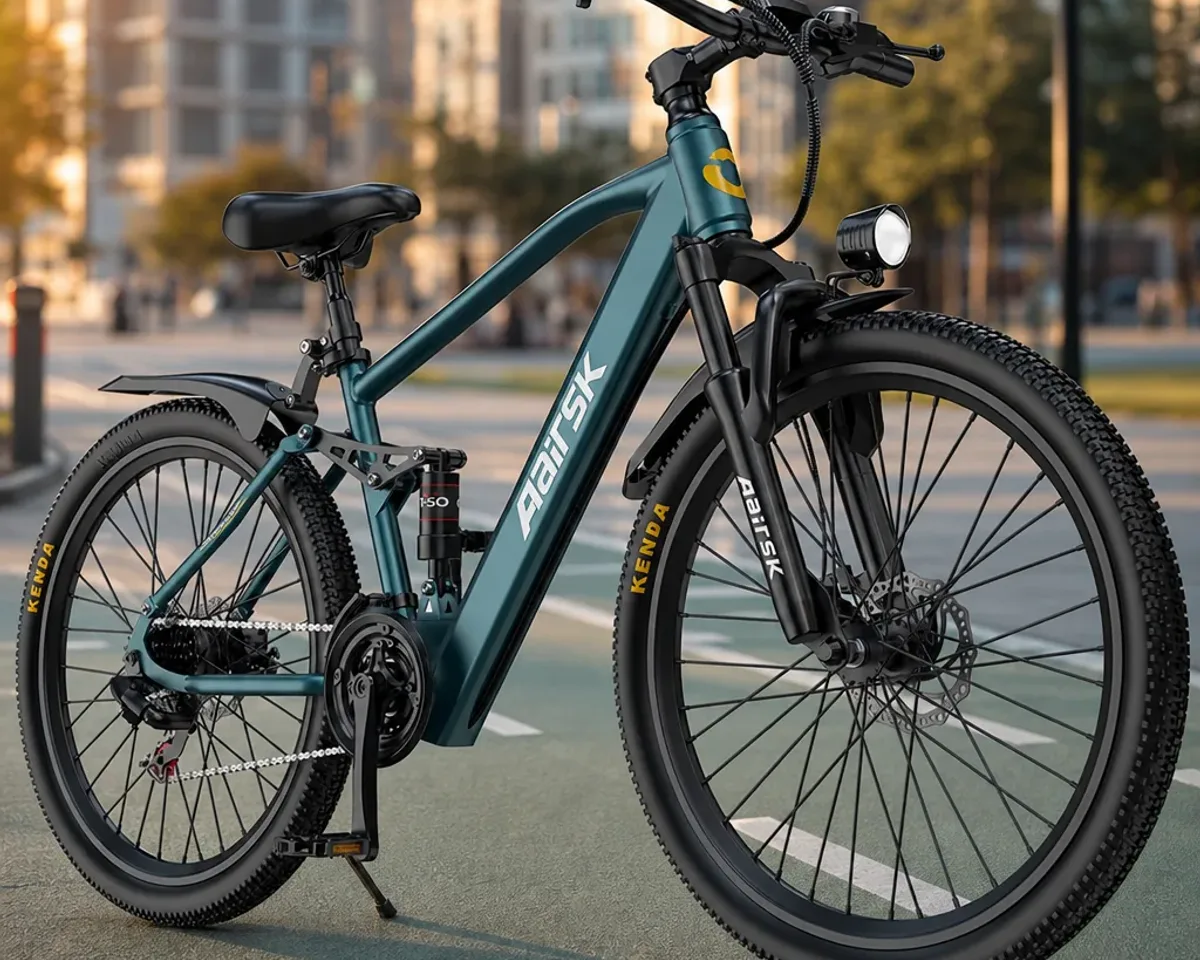
| AAIRSK GT300 Mountain Electric Bike | £499.00 | 250W | 28 Miles | 15.5 Mph | Road legal |
| Engwe L20 3.0 Pro Foldable Electric Bike | £1,369.00 | 250W | 87 Miles | 15.5 Mph | Road legal |
| Fafrees F20 Max Folding Electric Bike | £964.00 | 500W | 62 Miles | 15.5 Mph | Private land only |
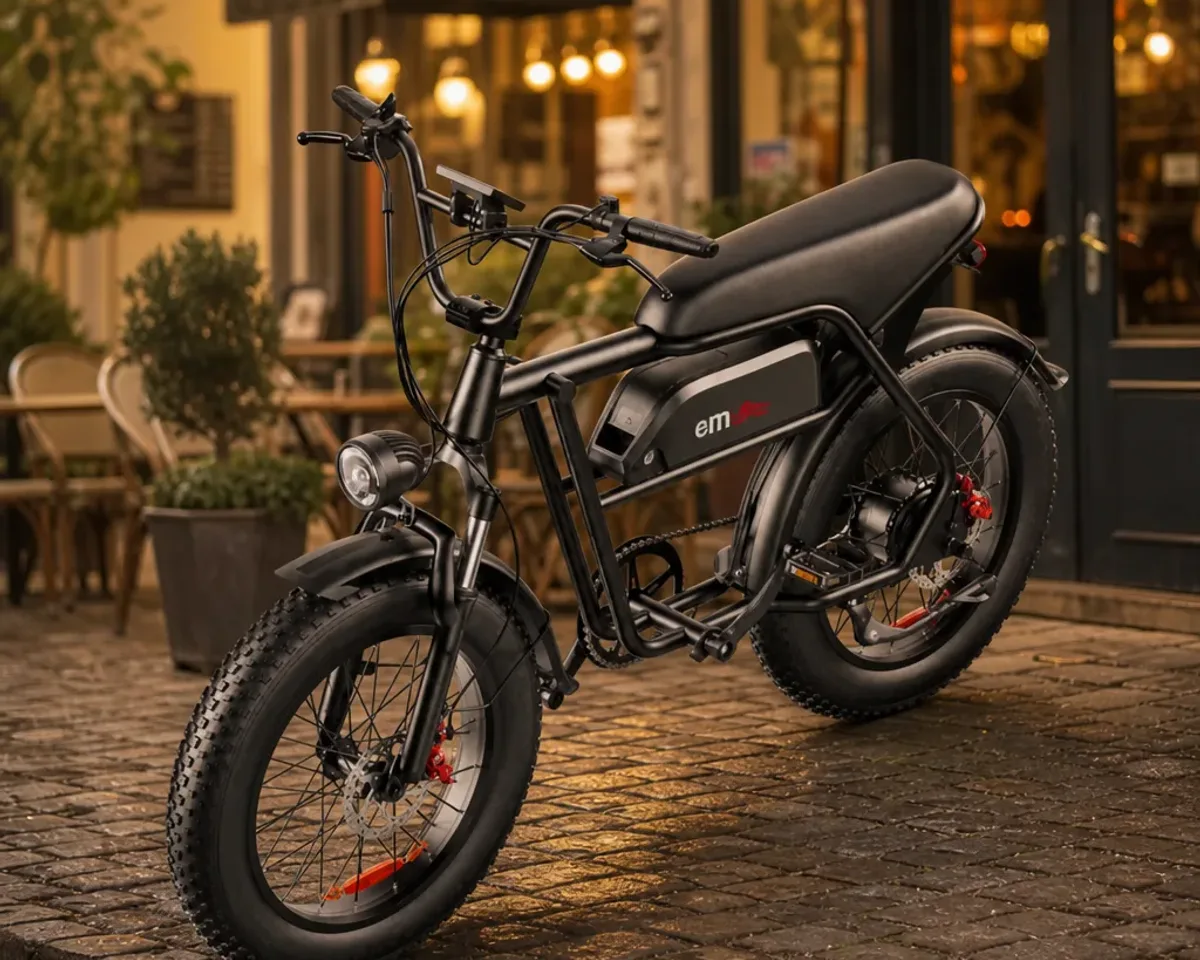
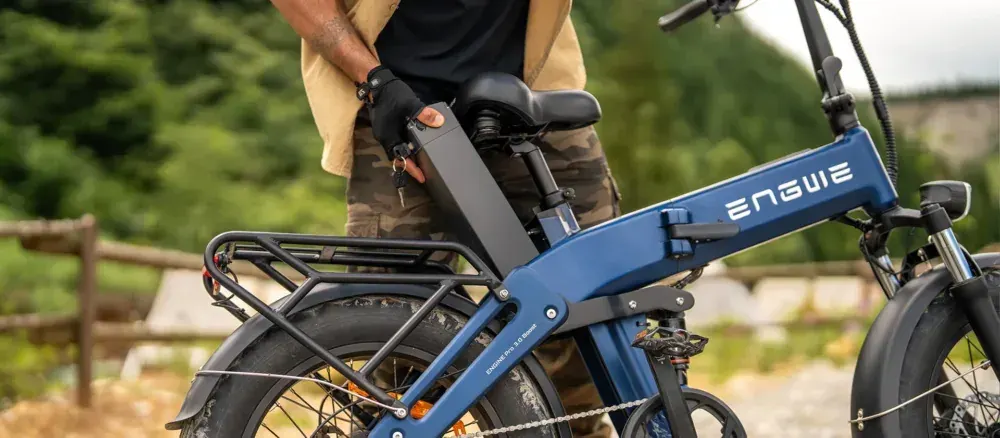
| Engwe Engine Pro 3.0 Boost Folding Electric Bike | £1,669.00 | 250W | 50 Miles | 15.5 Mph | Road legal |
When you see an electric bike advertised with a "60-mile range", you might imagine long, carefree rides with no battery anxiety. But real-world miles often turn out lower. Several variables chop that claimed distance down. This guide explains why, and how to get the most from your battery.
Factors like your weight, the hills you climb, and even the wind can slash range. Understanding these helps you choose the right e-bike for your daily needs. Let's explore what really determines how far you can go on a single charge.
What Does E-Bike Range Really Mean?
Standard Testing Conditions
Manufacturers often test with a 70 kg rider on flat roads, using the lowest assist mode, at a steady 12 mph. No wind, no stops. The battery is new and fully charged. This perfect-world scenario yields the longest possible distance.
Such tests ignore real-world chaos: traffic lights, headwinds, and your morning loaf of bread in the pannier. Consequently, an e-bike claiming 80 miles may only deliver 40-50 miles in typical British weather.
Realistic Expectations for UK Riders
As a rule of thumb, assume you'll get between 50% and 70% of the stated range. For instance, a DYU C6 City Electric Bike promises up to 50 miles, but on hilly commutes with medium assist, 25-35 miles is more likely.
Always think about your own routes. A 10-mile round trip to work leaves plenty of buffer if the battery indicator drops faster than expected. Planning conservatively prevents you from pedalling a heavy e-bike home unassisted.
The Biggest Factor: Battery Capacity and Motor Power
Understanding Watt-hours (Wh)
The battery's energy is measured in Watt-hours (Wh). You calculate this by multiplying voltage (V) by amp-hours (Ah). A 36V, 14Ah battery gives 504Wh. Generally, a 400Wh pack may offer 20-40 miles, while a 600Wh pack can stretch to 50-70 miles under ideal conditions.
However, more capacity means more weight and cost. For a city commuter, a 500Wh battery often hits the sweet spot. You can carry a spare for ultra-long rides, but most riders won't need it for daily errands.
Hub Motors vs Mid-Drive Motors
Hub motors sit in the wheel and are less efficient on hills. They rely on the motor alone to spin the wheel, which can sap battery quickly on inclines. Mid-drive motors, mounted at the bike's crank, leverage the gears. This makes them more efficient over varied terrain.
For a UK rider tackling the Yorkshire Dales, a mid-drive e-bike like the ENGWE ENGINE Pro 3.0 Boost could preserve range by using lower gears on climbs. Hub motors are simpler and cheaper, ideal for flat city riding where efficiency matters less.
Rider Weight and Carried Load
How Extra Kilos Affect Battery Drain
Every kilogram counts. An e-bike's motor must overcome inertia and gravity to move you forward. If you weigh 90 kg instead of the test rider's 70 kg, the motor draws more current, cutting range by up to 10-15%.
Carrying a heavy backpack or shopping bags adds to the load. A child seat on the rear rack creates significant drag. Consider a cargo bike if you regularly haul gear, its sturdier frame and larger battery are designed for it.
Rider Weight and Motor Strain
Heavier riders may also find the motor cuts out sooner on hills because it hits its power limits more quickly. The 250W UK motor limit means sustained climbs with a larger rider can overheat the system, triggering protective shutdowns and draining the battery abnormally fast.
To offset weight, keep your tyres pumped and pedal strongly in low gears. Assist the motor, don't just sit there. Every bit of human power extends the battery's miles.
Terrain and Elevation: Hills vs Flat Roads
Why Hills Slash Your Range
Climbing requires far more energy than cruising on the flat. To lift you and the bike against gravity, the motor pulls high current. A steep 10% gradient might double the power draw. Repeated hills can halve your expected range.
If your commute includes significant climbs, choose an e-bike with a high-torque motor and a large battery. The AAIRSK GT900 Mountain Electric Bike features a motor that handles off-road slopes efficiently, preserving precious watt-hours.
Surface and Stop-Start Riding
Rough surfaces like gravel paths or sticky mud increase rolling resistance. The tyres sink in slightly, making the motor labour more. Even smooth city tarmac with many traffic lights hurts range because accelerating from a stop uses a burst of power.
- Smooth tarmac: least resistance, longest range.
- Gravel or packed dirt: moderate resistance, reduce range by 10-15%.
- Mud or deep sand: high resistance, can halve range on soft ground.
For urban riding, a city e-bike with a cadence sensor can be efficient if you maintain momentum. Anticipate lights to avoid full stops, and coast when possible. Every little habit adds up to extra miles.
Wind, Weather, and Tyre Pressure
Headwind and Aerodynamics
A stiff headwind acts like a constant uphill. The motor must push harder to maintain speed, draining the battery faster. Even a 10 mph breeze can reduce range by 10-20%. Tucking behind a handlebar screen or wearing cycle-specific clothing helps a little.
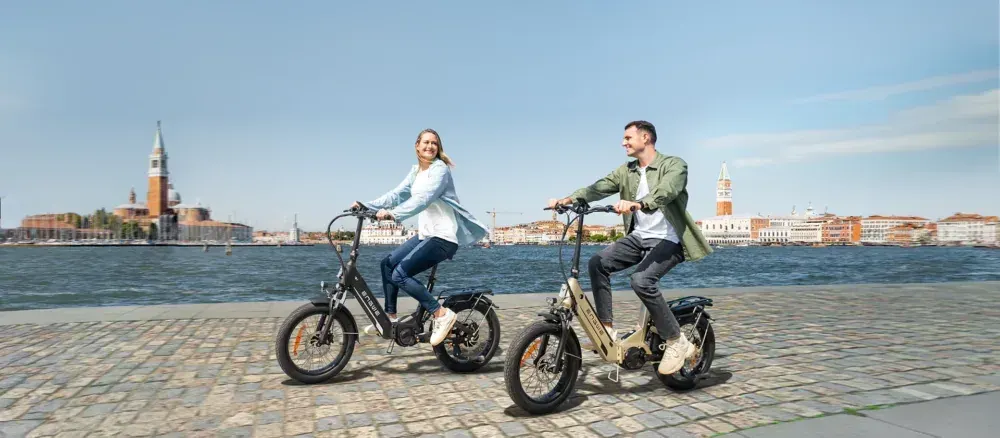
On windy days, drop your assist level and accept a slower pace. The extra effort from you saves battery for the gusts. Riding a folding e-bike with smaller wheels may suffer more because of less aerodynamic profile.
Cold Weather Battery Performance
Lithium-ion batteries hate the cold. Below 10°C, chemical reactions slow, reducing capacity and voltage sag. You might lose 20-30% range in winter. Storing the battery indoors at room temperature before riding helps preserve starting capacity.
Keep the battery warm on the bike by using a neoprene cover during frosty commutes. Avoid leaving it locked outside overnight. A cold-soaked battery not only dies sooner but can suffer long-term damage, as noted in lithium-ion battery research.
Tyre Pressure and Rolling Resistance
Under-inflated tyres create a larger contact patch with the road, increasing friction. For e-bikes, that means the motor works harder for the same speed. Check your pressure weekly. Inflate to the upper limit for maximum range.
Narrower, slick tyres roll faster than knobbly off-road tyres. If you ride mostly on tarmac, swapping to hybrid tyres can add several miles to your daily range without any other change.
Assist Levels and Riding Style
Eco, Normal, and Turbo Modes
Most e-bikes offer 3-5 assist levels. Eco mode limits the motor's power output, typically using 50-70% of full power. It stretches the battery the furthest but feels sluggish on hills. Turbo or high mode unleashes full power, providing more oomph at the cost of rapid drain.
Smart riders switch modes dynamically. Use Eco on flats, Normal for gentle slopes, and High only for steep hills or when very tired. The AAIRSK SU7 City Electric Bike has a clear display showing current power draw, helping you adjust.
How Your Pedalling Affects Range
Adopt a smooth pace. Accelerating gently and maintaining a steady cadence reduces peak power draws. Avoid the burst of turbo mode unless necessary. For guidance, Sustrans recommends planning quieter routes with fewer stops to maintain momentum.
- Shift to an easier gear before the hill starts.
- Pedal at a cadence of 60-80 RPM for optimal motor efficiency.
- Coast down hills instead of braking and re-accelerating.
- Keep your torso low to reduce air resistance on exposed roads.
All these tiny tweaks can add 10-20% to your daily distance.
UK E-Bike Law and Range Considerations
The 15.5 mph Motor Cutoff
Under UK law, any e-bike sold must stop motor assistance at 15.5 mph. Above that, you ride purely under your own leg power. This legal limit, outlined on the government website, has a direct effect on range: if you're fit enough to pedal faster on descents or flats, you could extend battery life by coasting beyond the limit without drawing current.
However, many riders struggle to maintain speeds over 15.5 mph on their own. So the battery typically gets you up to that speed, then takes a break. This means urban stop-start rides rarely benefit from the cutoff, but long country lanes might.
How Throttle Use Affects Range
UK rules allow a throttle that works without pedalling up to 3.7 mph (walking speed). For any faster assist, you must pedal. Using the throttle alone, even briefly, drains the battery quickly because you're not contributing. Reserve it for pulling away from junctions or a little help on a steep start.
Constant throttle use can halve your range compared to pedalling with assist. The motor becomes the sole source of propulsion, demanding maximum power. For the longest miles, keep pedalling and only feather the throttle when needed.
How to Maximise Your E-Bike's Real-World Range
Maintenance and Preparation
Start with a well-tuned machine. A dirty chain or misaligned brakes create drag that forces the motor to work harder. Lubricate the chain every 100 miles and check brake pads aren't rubbing. Even a small friction increase chips away at range.
- Keep tyres inflated to the pressure marked on the sidewall.
- Check quick-release axles are secure to prevent wheel wobble.
- Ensure battery contacts are clean and dry before every long ride.
Smart Riding Habits
Plan your route to avoid steep hills and rough surfaces where possible. Use cycle paths and quiet lanes to maintain a steady pace. Even a small detour for a flatter road can save a chunk of battery.
If you ride in a group, tuck in behind a stronger cyclist to draft. It reduces your wind resistance considerably. And always carry your charger if a top-up is available at your destination. For more tips, see our all guides section.
Real-World Range Tests: What UK Riders Can Expect
Common UK Riding Scenarios
A 70 kg rider on a flat cycle path, using Eco mode, might squeeze 50 miles from a 500Wh battery. The same battery, with a 90 kg rider in hilly Cornwall using Normal assist, could drop to just 20 miles. Individual experience varies wildly.
Urban commuters facing frequent traffic lights and heavy panniers should budget for 25-35 miles. For leisure cyclists exploring the Cycling UK route network, steady touring can stretch range further because you'll be moving and coasting more.
If you regularly push the limits, consider buying an additional charger for work or carrying a lightweight power bank. Many modern e-bikes have removable batteries that charge quickly. Remember, no two rides are identical. Keep a small notebook or use a phone app to track your own typical distance on a full charge, then plan accordingly.
Frequently asked questions
Can I increase my e-bike's range after purchase?
Yes, you can extend range by keeping tyres pumped, reducing cargo weight, using Eco mode, and maintaining a steady pedal cadence. Swapping to a higher-capacity battery, if compatible with your model, is a direct upgrade. Avoiding cold storage also helps preserve battery life.
Does riding without assist extend battery life on a trip?
Riding without assist uses no battery power, so it does extend the trip range. However, an e-bike is heavier than a regular bike, so pedalling unassisted for long stretches can be tiring. Many riders turn off assist on flat sections or descents to save power for hills.
What is the minimum range I should accept for commuting?
For a daily commute, aim for a bike whose estimated real-world range comfortably covers your round trip on a single charge, plus a 20-30% buffer. If your commute is 20 miles total, look for a model likely to deliver at least 25-30 miles in your riding conditions. For UK riders, a 400-500Wh battery often suffices for most city commutes.
Do electric mountain bikes have shorter range than city bikes?
Usually, yes. Mountain e-bikes often have lower range due to aggressive tread tyres and a rider position that creates more drag. Off-road terrain and frequent climbs also drain the battery faster. However, a high-capacity battery can offset this. A bike like the AAIRSK GT900, used mainly on trails, may see 20-40 miles, whereas a sleek city e-bike might get 30-50 miles on roads.
How does battery age affect range?
Lithium-ion batteries degrade over time and charge cycles. After 500-800 full cycles, capacity may drop to 70-80% of the original. This means a battery that gave 40 miles when new might only give 30 miles after two years of daily use. Proper care, such as storing at 40-60% charge in cool conditions, slows degradation.