Engwe MapFour N1 AIR ST vs N1 AIR vs N1 Air Carbon
Three Engwe MapFour N1 Air models share a motor and legal speed, but the frames change everything. Here is the honest UK comparison to help you pick the right one.

Choosing between the three Engwe MapFour N1 Air models can feel confusing. They share a name, a motor type and a legal speed limit, but the frames change how they fit your daily life. This guide compares them for everyday UK riding.
We base this on the specifications Biktron publishes and the current prices in the shop. We have not ridden these bikes, so our judgement is about what the numbers add up to for a typical UK commute.
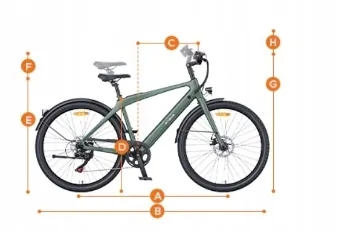
Meet the Engwe MapFour N1 Air family
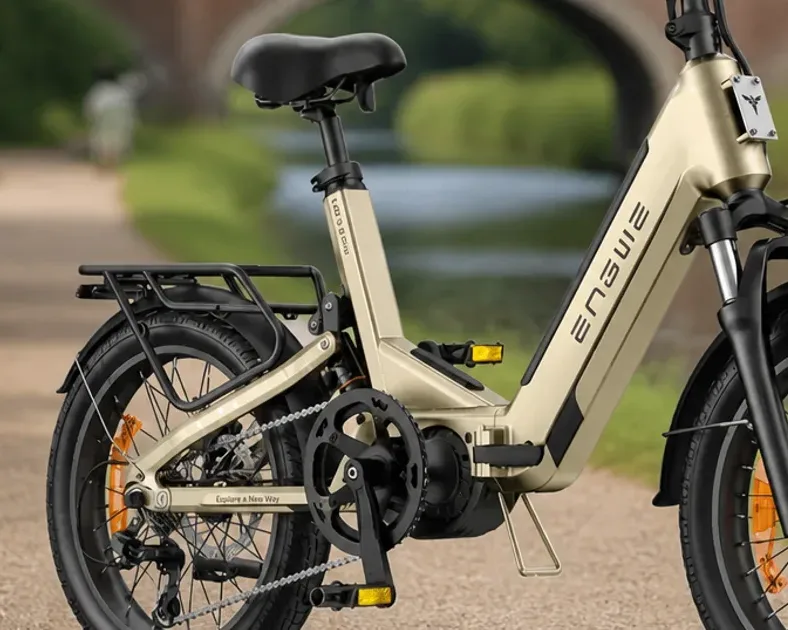
The Engwe MapFour N1 Air range includes three distinct frames. The N1 AIR ST is a step-through city bike. The N1 AIR is a moped-style ride. The N1 Air Carbon is the lightweight carbon fibre option.
All three are sold by Biktron and designed for UK roads. They share a 250W motor and a 15.5 mph assisted cut-off, so none of them is a speed machine. The choice really comes down to comfort, storage and how you plan to carry the bike.
What the three bikes share
- 250W rear hub motor
- 15.5 mph assisted speed limit
- Removable battery for off-bike charging
- Legal as an Electrically Assisted Pedal Cycle
Under UK law, an EAPC must have a motor rated no more than 250W and assistance that stops by 15.5 mph. The Gov.uk electric bike rules explain this in detail.
All three bikes meet that definition. That means you can ride them anywhere a normal pedal bike can go, with no licence, tax or MOT required.
Engwe MapFour N1 AIR ST: step-through comfort
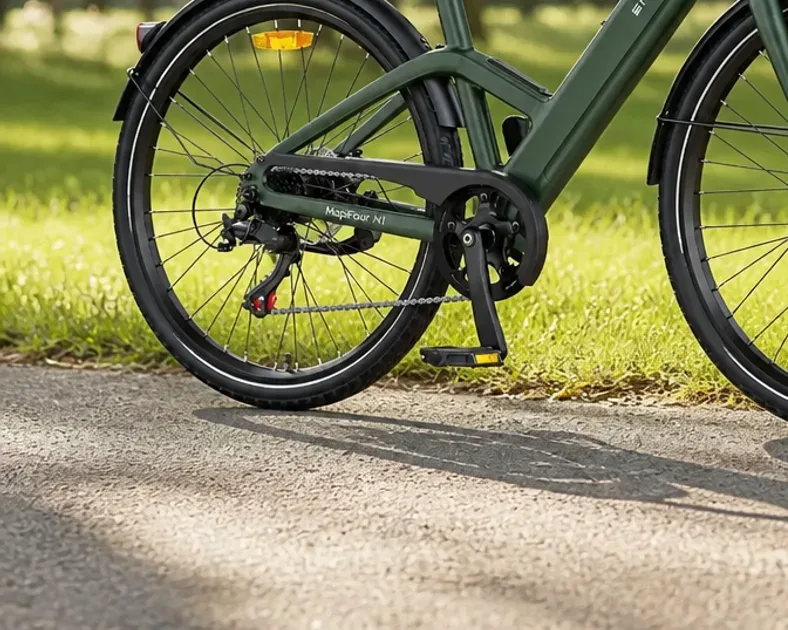
The Engwe MapFour N1 AIR ST is the upright commuter of the group. Its step-through frame lets you mount without swinging a leg high over the saddle.
It costs £1299 at Biktron, with an RRP of £1599. That saving makes it a strong choice if you want a relaxed riding position and easy stops at traffic lights.
The low step-through shape is kinder to older riders, people with stiff hips, or anyone carrying a work bag. You sit more upright, so you can see traffic better and feel more confident in town.
The ST is also the most practical for city errands. Because it looks like a normal bike, it blends in at bike racks and feels familiar from the very first ride.
The ST also has a lower standover height, which helps when you stop at a junction and put a foot down. That stability is a quiet confidence boost in stop-start traffic.
Who the ST suits best
Choose the ST if your route is mostly paved roads, cycle lanes or light gravel. It is not a mountain bike, but for the daily trip to work or the shops it is hard to beat.
If you wear skirts, dresses or long coats, the step-through frame avoids awkward moments. That is a genuine everyday benefit many riders overlook.

Engwe MapFour N1 AIR: moped-style presence
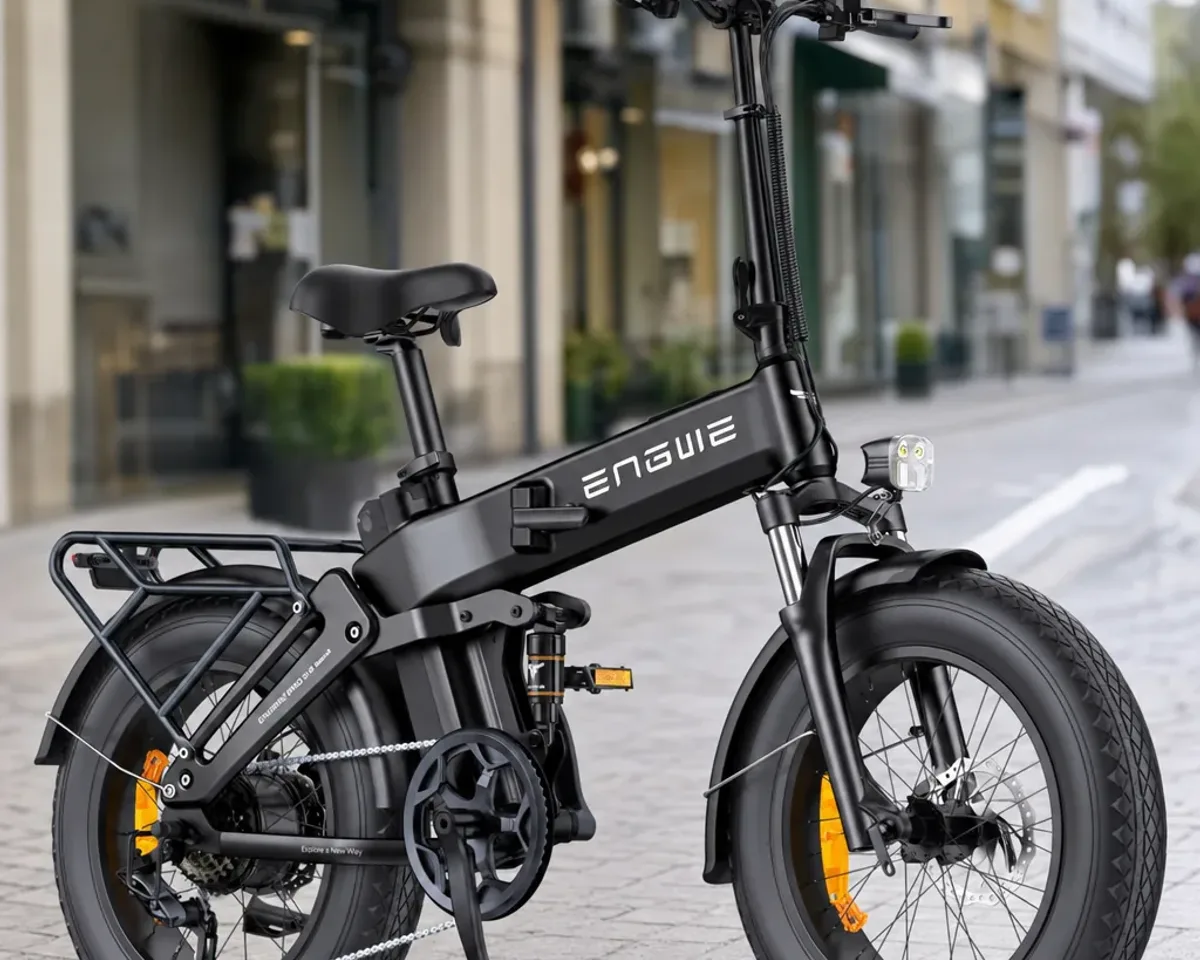
The Engwe MAPFOUR N1 AIR Electric Moped looks like a small moped but is legally a bicycle. It has a more laid-back saddle and a bigger visual stance.
At £1159, with an RRP of £1399, it is the cheapest of the three right now. If budget matters most, this is the obvious first look.
The moped shape gives you a longer, cushioned seat and often a more relaxed leg position. You still pedal, but the sit is closer to a scooter than a road bike.
Many riders prefer the moped style for short trips because it feels stable at low speed. It also has a visual presence that gets you noticed in traffic, which can be a safety plus.
The moped frame often comes with a longer, softer saddle and a more swept-back handlebar. That combination takes pressure off your wrists and lower back on short rides.
Trade-offs of the moped frame
The moped style is heavier and less easy to carry up stairs. If you live in a flat without a lift, think twice about choosing this frame.
Its longer wheelbase can also feel less agile in tight cycle lanes. Make sure your shed or hallway has room for the longer body before you buy.
Engwe N1 Air Carbon: light and easy to handle
The Engwe N1 Air Carbon uses a carbon fibre frame, which makes it lighter than the other two. Lighter means easier to lift, carry and accelerate from a stop.
It is priced at £1169, down from an RRP of £1899. That is a big discount, and it makes carbon fibre far more affordable than usual.
Carbon frames absorb some road buzz, so the ride can feel smoother even without suspension. The lower weight also helps when you run out of battery and need to pedal home unassisted.
Because it is lighter, the Carbon is the easiest of the three to carry onto a train or lift into a car boot. Commuters who mix cycling with public transport often prefer that.
The carbon frame also resists rust, which is useful in a damp UK climate. Keep the moving parts clean and the frame will look good for years.
Is carbon worth it for commuting?
Carbon fibre is strong for its weight, but it needs a little more care. Avoid dropping the frame hard against kerbs or clamping it in a cheap bike stand too tightly.
For daily UK commuting, the main benefit is simply less mass to move. You will feel that most when starting from traffic lights or carrying the bike through a station.
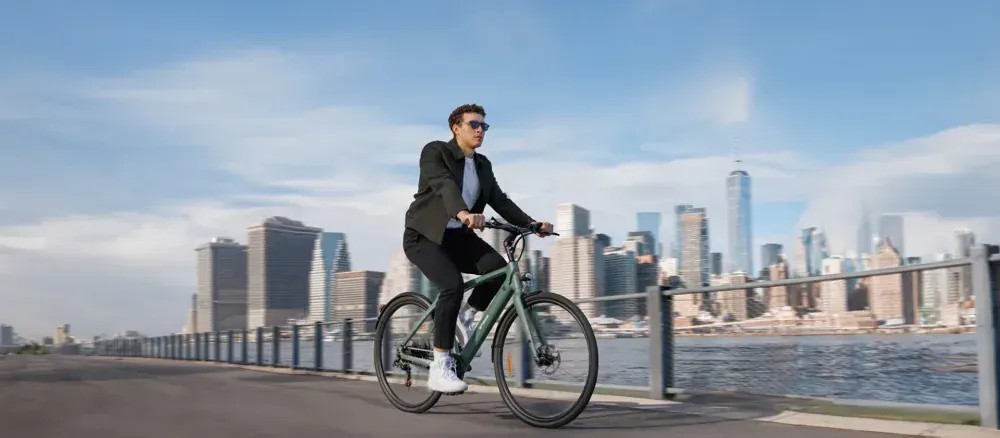
Frame, weight and ride feel compared
The biggest difference between the three is the frame geometry. The ST keeps you upright, the moped keeps you low and relaxed, and the Carbon keeps you light and nimble.
Weight affects how the bike feels on hills. The lighter Carbon will feel livelier, while the ST and moped trade some agility for comfort and outright presence.
All three use a rear hub motor, so the power delivery is smooth and predictable. You get a gentle push from behind rather than a surge through the pedals.
Quick use-case matrix
The table below shows how each N1 Air fits different UK lives.
| Model | Best for | Weight feel | Think twice if |
|---|---|---|---|
| N1 AIR ST | City commuting, step-through ease | Medium, stable | You need to carry it upstairs daily |
| N1 AIR moped | Short local trips, relaxed seat | Heavier, planted | You have a narrow hallway or flat |
| N1 Air Carbon | Mixed train and bike journeys | Lightest, easy to lift | You often lock up against rough racks |
Use this as a quick filter. If none of the "think twice" points bother you, that model is likely your best match.
Battery, range and charging in real UK weather
Engwe quotes a maximum range for each N1 Air, but real range is always lower. Hills, headwinds, rider weight and cold weather all cut the miles you get.
In a UK winter, a battery can lose a noticeable chunk of its range. If the maker says 40 miles, expect closer to 25 on a cold, hilly commute.
All three bikes use a removable battery, which is a huge plus for UK flats and terraces. You can charge the battery indoors while the bike stays locked outside.
Charging times vary, but a full charge usually takes a few hours. Plug in overnight and you start each day with a full tank.
If you do not have a garage, charging inside is safer than leaving the battery in a cold shed. Cold batteries charge slower and hold less energy.
How to keep range honest
- Use a lower assist level on flat roads and save the highest power for hills
- Keep tyres pumped to the recommended pressure
- Charge the battery indoors in winter so it starts warm
The Sustrans cycling to work tips include good advice on planning routes that avoid unnecessary climbs and busy junctions.
UK law: all three are EAPC legal
The three N1 Air models are Electrically Assisted Pedal Cycles, or EAPCs. That term comes from the 1983 EAPC regulations.
An EAPC must have pedals, a motor rated no more than 250W, and assistance that stops by 15.5 mph. All three meet those requirements.
You must be at least 14 years old to ride one. You do not need a licence, tax, insurance or MOT. You also do not need to wear a helmet, though it is wise.
The Cycling UK guide to e-bikes and the law explains the rules in plain English.
Where you can ride
Because they are EAPCs, you can use the same roads, cycle lanes and shared paths as any pedal bike. You cannot use motorways or pavements meant