DYU D3F Review: Is This £339 Folding E-Bike Worth It? UK Test
Our honest review of the DYU D3F folding e-bike at £339. UK legal, motor, range, folding size, and who should buy it.

The DYU D3F is a 14 inch folding electric bike that costs £339 at Biktron. That price puts it at the very bottom of the UK e-bike market, so the question is simple. Can a bike this cheap actually do a daily commute?
We have not ridden one, but we have read the specifications, the UK rules, and the owner feedback. This review is our honest judgement of what that adds up to at this price.
What the DYU D3F offers for £339
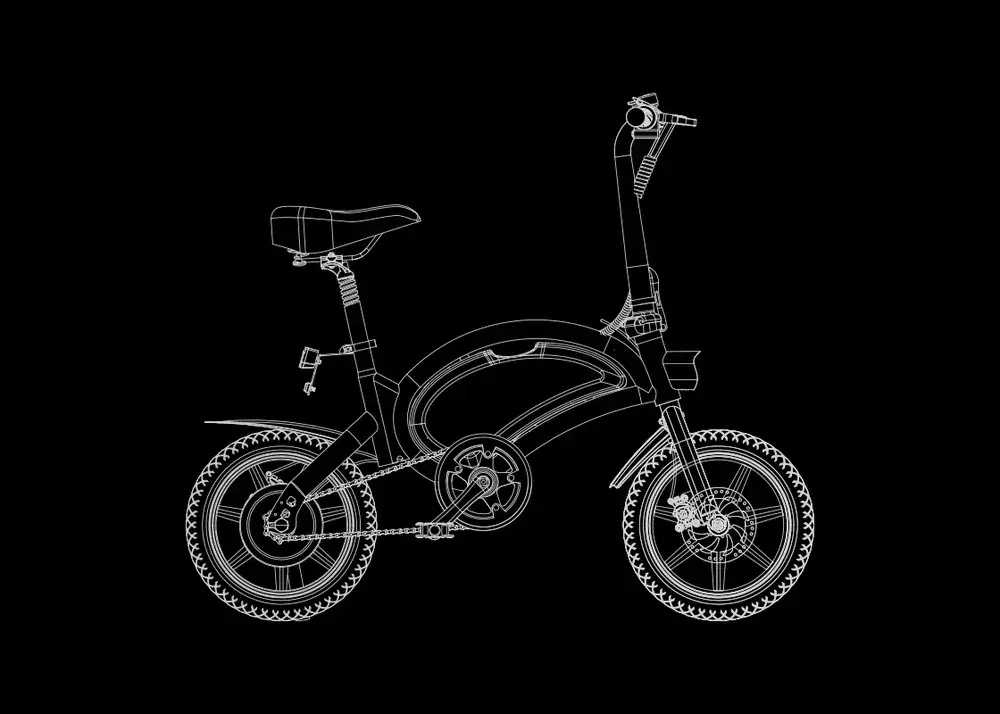
At £339, the DYU D3F is one of the cheapest folding electric bikes you can buy in the UK. DYU is a brand we stock, and the full DYU range stretches from basic folders to fat tyre models.
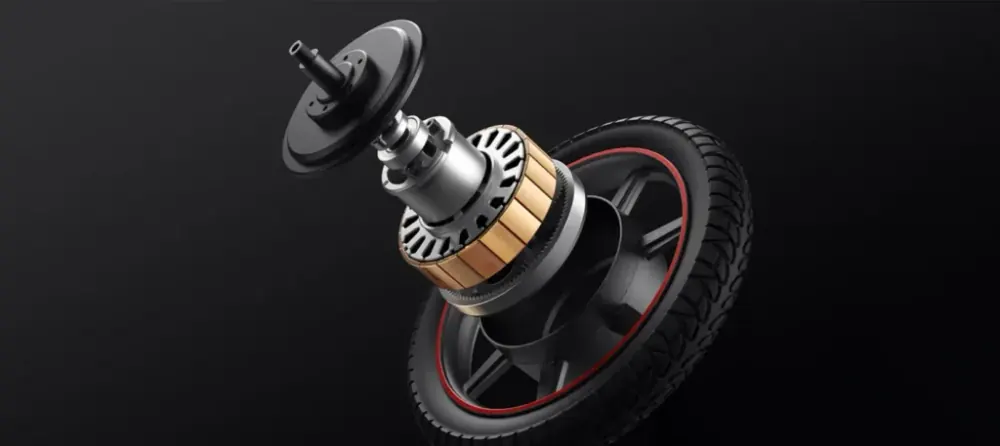
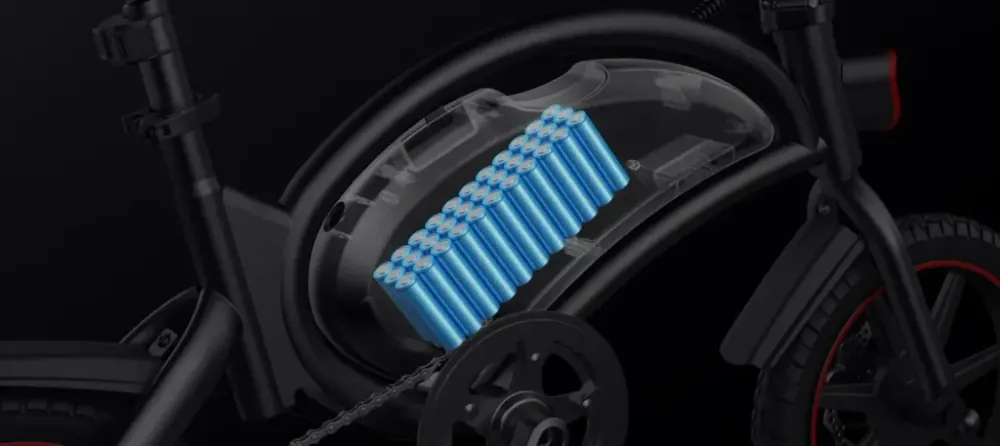
The D3F has a 250W rear hub motor, which is the maximum allowed for an EAPC in the UK. It uses a 36V lithium battery that DYU quotes at 10.4Ah, giving a claimed range of up to 37 miles.
The frame folds down to a compact shape, and the whole bike weighs around 16kg. It comes with 14 inch wheels, mechanical disc brakes, and a simple LED display.
For £339, you should not expect hydraulic brakes, suspension, or a torque sensor. The D3F is basic transport, and that is exactly how it should be judged.
What is in the box?
- The DYU D3F folding e-bike, partly assembled
- A 36V charger
- Basic tools for final assembly
- A small user manual
Assembly is simple. Most buyers need about 30 minutes to fit the pedals, handlebars, and seat.
UK e-bike law and the DYU D3F
The DYU D3F is an Electrically Assisted Pedal Cycle (EAPC) under UK law. That means it must have pedals, a motor no stronger than 250W, and assistance that stops at 15.5mph.
The D3F meets all three rules, so you can ride it anywhere a normal bicycle is allowed. You do not need a licence, tax, insurance, or a helmet, although a helmet is always smart.
The UK government's electric bike rules explain the full EAPC definition. As long as the motor is 250W and cuts out at 15.5mph, it is still classed as a bicycle.
Riders must be 14 or older. On shared paths, keep your speed down and give way to pedestrians. The D3F is small and quiet, so bell use matters more than you think.
Motor, battery and real-world range
Motor performance
The 250W rear hub motor has one job: to help you up to 15.5mph. On flat ground it does that easily, and you will reach the cutoff without much effort.
On hills, do not expect magic. The motor is small, and the bike is light. On a long 10% climb you will be pedalling hard, and the motor will slow down.
For most UK city commutes, the power is enough. If your route has serious hills, look at a bigger motor or a mid-drive bike instead.
Battery and range
DYU quotes a range of up to 37 miles on a full charge. That number comes from flat ground, light rider, and low assistance.
Real world, on a typical UK commute with a few hills and stop-start traffic, expect more like 15 to 20 miles. In winter, cold weather can cut that by another 20%.
The battery is removable, so you can charge it indoors at work. A full charge takes about 4 to 5 hours.
Folding mechanism and carrying size
The D3F folds at the frame and the handlebar stem. The pedals also fold in, which makes the folded package much thinner.
Folded, it is roughly 70cm long, 35cm wide, and 60cm tall. That is small enough to slide under a desk or into a train luggage rack.
The folding joints use quick-release clamps. They feel secure, but you should check them weekly. A loose clamp on a moving bike is dangerous.
At around 16kg, the D3F is not the lightest folder, but it is manageable for short carries up stairs.
Carrying it on public transport
Many UK train operators allow folding bikes if they are fully folded and covered. The D3F is smaller than a full size bike, which helps at peak times. Cycling UK has useful advice about taking folding bikes on trains.
You will still need to lift it over gaps. The 16kg weight will feel heavy after a long day, so test a carry before you commit to a multi-leg commute.
A simple shoulder strap or a carry bag makes it easier, but neither is included.
- Folded length: about 70cm
- Folded width: about 35cm
- Folded height: about 60cm
- Weight: about 16kg
Ride quality and comfort on UK roads
Small 14 inch wheels make the D3F very nimble in traffic, but they also make rough roads feel rougher. Potholes hit harder than they would on a 26 inch bike.
There is no suspension, so your body is the suspension. A padded saddle and a good tyre pressure help, but you will still feel every drain cover.
For short city rides under 5 miles, that is fine. For longer commutes, you may want a bigger wheel or a suspension fork.
The mechanical disc brakes are adequate but not powerful. In the wet, they still work, but expect longer stopping distances than hydraulic brakes.
Comfort upgrades worth considering
You can improve the ride cheaply. A wider saddle, ergonomic grips, and 2.0 inch tyres at lower pressure take the edge off rough roads.
Do not spend more than £50 on upgrades. At some point, it makes more sense to buy a more expensive bike like the DYU A1F.
That A1F has a similar folding design but slightly larger batteries and better finishing for £589.
Who should buy the DYU D3F? And who should skip it
Good fit for
- Short city commutes under 5 miles
- Mixed train and bike journeys
- Riders on a very tight budget
- Caravan or motorhome owners who need a small spare bike
If that sounds like you, the D3F is hard to beat at £339. It is the cheapest usable folding e-bike we have seen in the UK.
Not the best choice for
- Hilly routes with long climbs
- Riders over about 90kg, who will notice the small motor
- Commutes over 10 miles each way
- Anyone who wants a smooth, refined ride
For those riders, a larger bike like the DYU T1 with 20 inch wheels is a better starting point at £679.
DYU D3F vs other cheap folding e-bikes
At £339, the D3F competes with no-name imports and used bikes. Most of those are illegal, unreliable, or both. The D3F comes from a brand with a UK stockist and proper warranty.
The closest step up in our range is the DYU A1F at £589. You get a slightly bigger battery and better display, but the core ride is similar.
If you can stretch to £679, the DYU T1 adds 20 inch wheels and a rear rack, which makes it far more comfortable on rough roads.
For £339, nothing else we stock offers a legal 250W motor and a removable battery in a folder. That is the D3F's real strength.
You can browse all our folding electric bikes to compare prices and specs.
Verdict: Is the DYU D3F worth £339?
The short answer is yes, with clear limits. If your commute is flat, short, and you need a folding bike for a train or a small flat, the D3F delivers real value.
It is not a performance machine, and the 14 inch wheels make it feel basic. But at £339, a legal folding e-bike with a removable battery is rare.
The main alternative is spending more. The D3F does not grow with you, so if you end up riding longer distances, you may outgrow it quickly.
Overall, we give the DYU D3F a score of 4.2 out of 5 for value for money. It is the cheapest way to get into a folding e-bike without breaking UK law.
Check the latest price and stock on the DYU D3F product page.
Frequently asked questions
How fast does the DYU D3F go?
The motor assists up to 15.5mph, which is the UK legal limit. You can pedal faster, but the motor stops helping.
Does the D3F need insurance or a licence?
No, as long as it meets EAPC rules (250W, 15.5mph cutoff), it is classed as a bicycle. You need to be 14 or older.
How far can the DYU D3F go on one charge?
DYU claims 37 miles, but real-world range is about 15 to 20 miles on mixed terrain. Cold weather reduces that.
Can I take the D3F on a train?
Yes, most UK train companies allow folded bikes. Check with the operator, and use a cover if required.
Is the D3F good for hills?
It manages short moderate hills, but on long steep climbs the 250W motor struggles. For steep routes, look at a more powerful e-bike.