Varun S20-1 Review: Is This £702 E-Bike Worth It? UK Test
The Varun S20-1 is a 20-inch fat-tyre folding e-bike at £702. Our review covers UK legality, portability, comfort and whether it's worth the money.

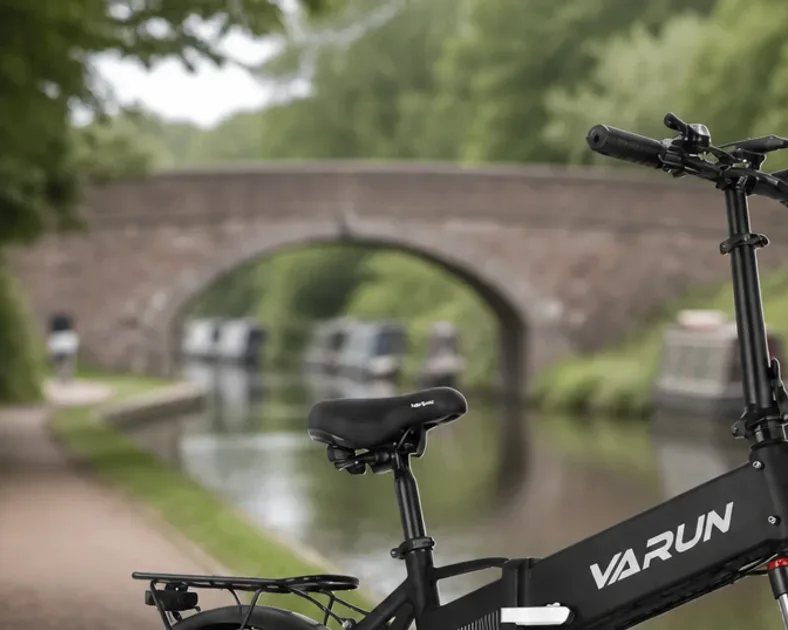
The Varun S20-1 is a 20-inch fat-tyre folding electric bike. Biktron sells it for £702, down from an RRP of £802. That price puts it at the affordable end of the UK e-bike market.
This review looks at what that money actually buys. We cover UK legality, folding practicality, comfort, range and the bike's real value. No hype, just a straight answer for everyday riders.
We have not ridden this exact bike, but we know the specification and price. Our judgement is based on what the bike offers for £702 and how that fits UK riding.
What is the Varun S20-1?
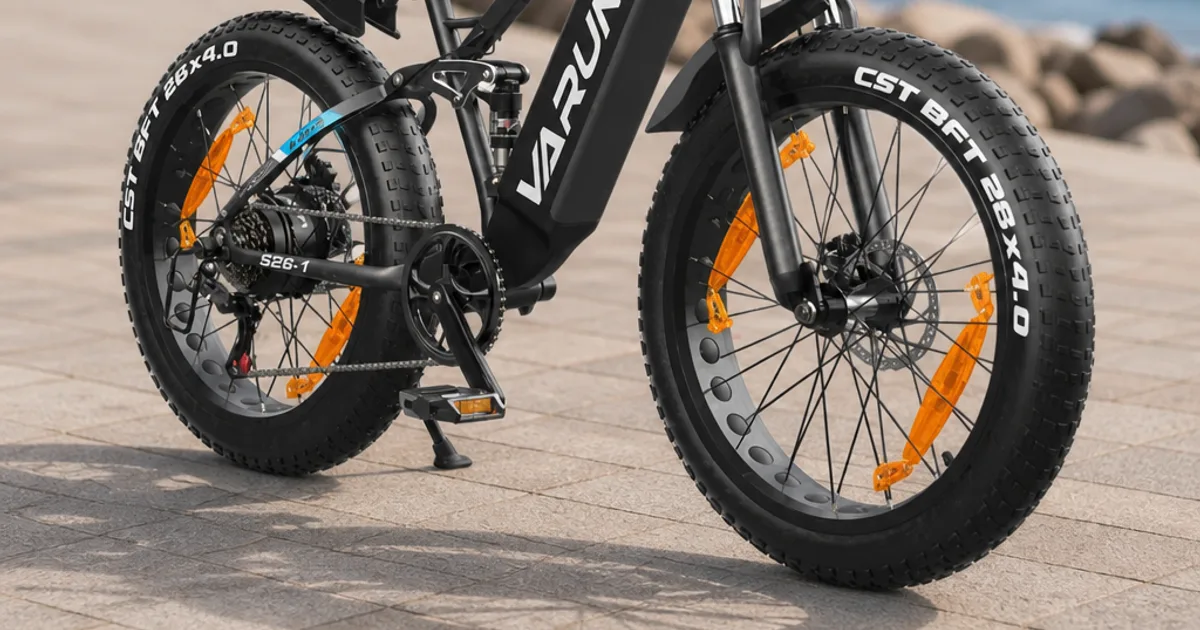
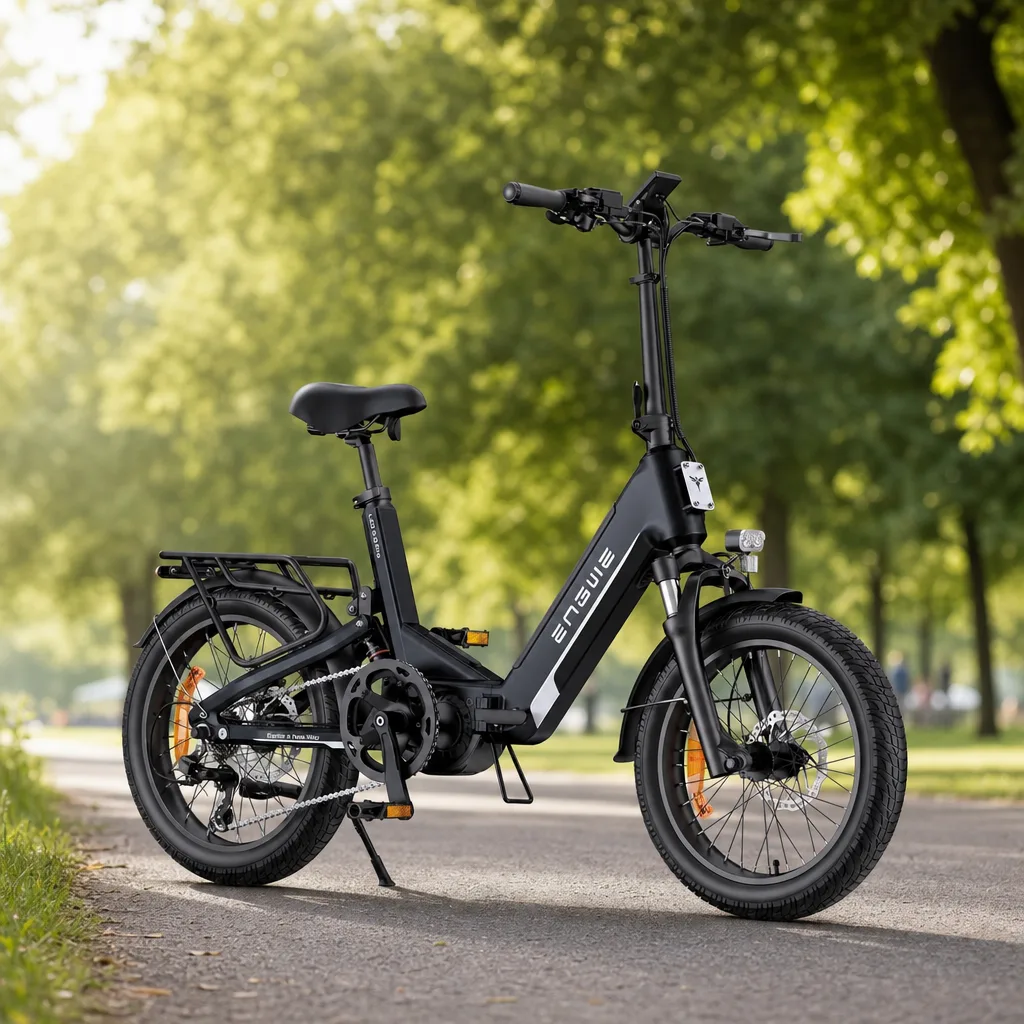
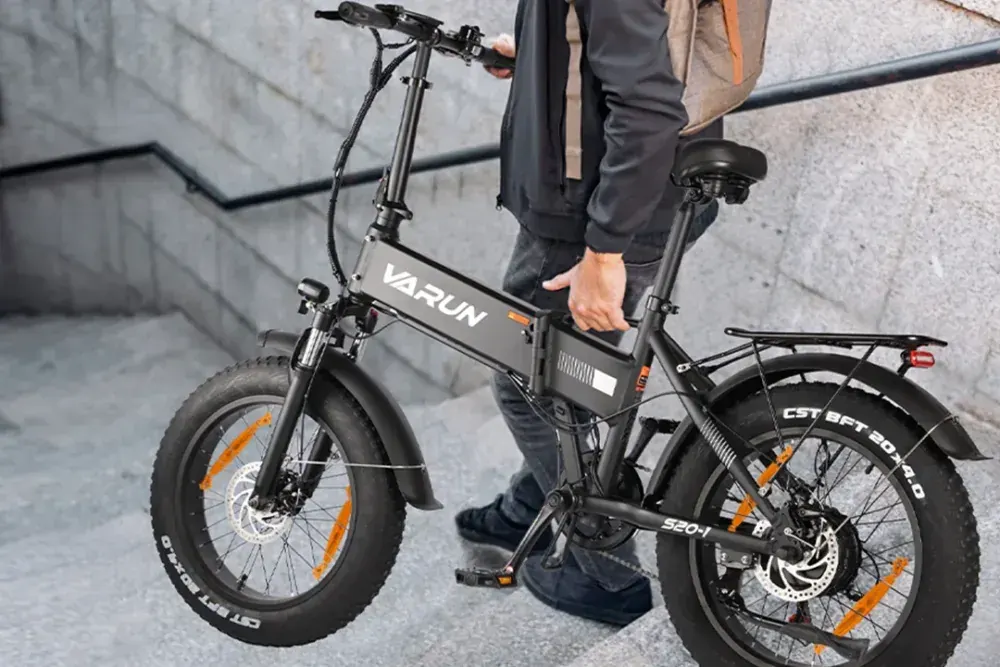
The Varun S20-1 is a compact e-bike with 20-inch wheels and 4-inch wide tyres. It folds in the middle, so it fits in car boots, cupboards and train luggage areas. The frame is steel, which adds weight but keeps the price down.
Varun builds budget-friendly electric bikes. The S20-1 sits at the entry point of the full Varun range. You can see the exact specification on the Varun S20-1 product page.
The S20-1 is not a lightweight bike. The steel frame and fat tyres push the weight up. That is the trade-off for the low price and rugged look.
Key features at a glance
These are the headline features you get at this price. They are not exotic, but they cover the basics for a short commute.
- 20-inch by 4-inch fat tyres for traction and cushioning.
- Folding frame and folding pedals for easy storage.
- UK-legal assistance that cuts out at 15.5 mph.
- Front and rear mechanical disc brakes.
- A rear rack for small bags or a basket.
- A basic LED display for battery level and assist mode.
The bike is sold as road legal in the UK. That means it meets the EAPC rules for motor power and speed. It is not an off-road speed machine.
UK legality and road use
The UK has clear rules for electric bikes. A legal e-bike must have a motor rated at no more than 250W. The motor can only help you up to 15.5 mph. After that, you pedal on your own.
The official government guidance on electric bike rules explains the EAPC category. The Varun S20-1 is sold to fit within these limits. You do not need a licence, tax or insurance to ride one.
If you buy from a UK shop like Biktron, the bike should arrive set to UK limits. Some imported e-bikes are derestricted, which causes legal trouble. This one is sold as standard.
Where you can ride it
Because the Varun S20-1 is an EAPC, you can ride it on roads and cycle paths. You must be at least 14 years old. It is not a moped, so you cannot treat it like a motorbike.
Cycling UK has a helpful summary of electric bike law. The key point is simple: keep the motor standard and you are legal. If you modify it to go faster, it stops being an EAPC and becomes a motor vehicle.
Some riders assume fat-tyre e-bikes are automatically illegal. That is wrong. Fat tyres are fine as long as the motor and speed stay within the limits. This bike does that.
Folding design and portability
The S20-1 folds at the frame and at the handlebar stem. The pedals also fold flat. This makes it smaller, but not featherweight. Expect a lifting weight in the typical 20 to 25 kg range for this class.
Folding bikes have been around for decades. Wikipedia's entry on folding bicycles shows the design is nothing new. It works well if you live in a flat, commute by train or keep the bike in a crowded shed.
Security is another consideration. A folding bike can be taken inside rather than locked on the street. That alone can save you from theft in many UK towns.
Commuting with a folding e-bike
On a train, a folded S20-1 takes up less floor space than a full-size bike. You still need to lift it onto the carriage. If you have stairs at home, that weight matters more than the folded size.
For car boot use, the 20-inch wheels help. Folded dimensions vary, so measure your boot before buying. The product page lists the exact folded size, which is the figure to trust.
Do not expect it to fold as small as a Brompton. Those bikes use 16-inch wheels and a clever linkage. The S20-1 is bigger when folded, but it costs far less.
Fat tyres and ride comfort
The 4-inch wide tyres are a defining feature. They run at lower pressure than narrow road tyres. That gives a softer ride over cracked tarmac and light gravel paths.
Fat tyres also add rolling resistance. You will use more pedal effort and battery power than a skinny commuter tyre. On smooth roads, the benefit is less obvious.
Tyre pressure makes a big difference. Run the fat tyres at the lower end of the recommended range for comfort. Too hard, and they lose their cushioning effect.
Handling on British roads
Potholes and wet drain covers are common in the UK. The wide tyres grip well and give you confidence. They are not a substitute for careful riding, but they do help on poor surfaces.
The S20-1's small wheels turn quickly. That makes it nimble in traffic. It also means the steering feels livelier than a 26-inch mountain bike. Take a moment to get used to it.
If you ride mainly on smooth cycle paths, a narrower tyre would be more efficient. The fat tyres are best when your route includes rough patches or occasional towpath use.
Battery, range and charging
Range is the question every buyer asks. Varun publishes a maximum range figure for the S20-1, but real-world range is usually lower. Hills, cold weather and heavy riders all reduce it.
You should treat the quoted figure as a best-case number. In stop-start city riding, expect less. If your commute is under 10 miles each way, the battery should cope on a single charge.
Do not leave the battery fully charged for months. That shortens its life. If you store the bike over winter, keep the battery at around half charge and top it up every few weeks.
Real-world expectations
UK winters are hard on batteries. Cold temperatures temporarily reduce range. Store the battery indoors and charge it at room temperature. That helps keep the range closer to the published figure.
Charging takes several hours from empty. Most riders plug in overnight. There is no fast-charge option at this price, so plan around that.
The battery is removable on most Varun folders. That makes charging easier if you live in a flat. Check the product page to confirm the exact battery capacity and charging time.
Build quality and components
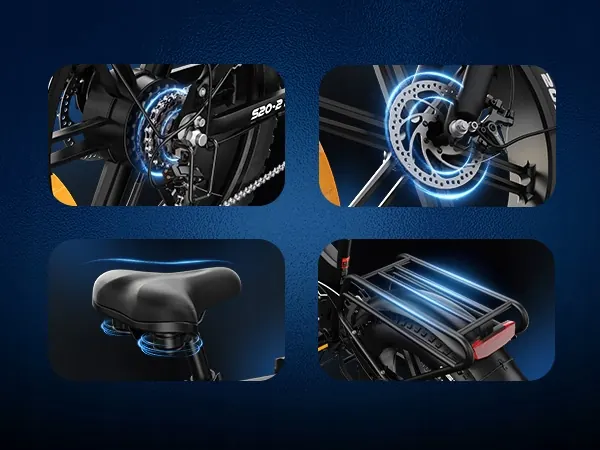
At £702, you get budget components. The frame and motor are the expensive parts. The gears, brakes and drivetrain are basic but functional. They are not high-end parts.
The S20-1 uses mechanical disc brakes, not hydraulic. Mechanical discs are easier to maintain and cheaper to replace. They still stop the bike well in dry and wet conditions.
Spare parts are easy to find because the S20-1 uses common bike standards. Brake pads, tyres and chains are standard sizes. That keeps long-term running costs low.
What you get at £702
The price is fair, not miraculous. You get a working folding e-bike with fat tyres and a battery. You do not get suspension, hydraulic brakes or a torque sensor. That is normal at this end of the market.
Compare that with the Varun S20-2 Pro, which steps up to £879 and adds more features. The S20-1 is the entry point, and that is reflected in the component choice.
The frame welds and paint finish are typical for a budget bike. Expect a few rough edges. Nothing that stops the bike working, but do not compare it to a £1,500 model.
Who should buy the Varun S20-1?
This bike suits a specific rider. It is best for short urban commutes, leisure rides on towpaths, and anyone who needs to store a bike in a tight space. It is not a long-distance tourer.
- You want a legal, low-cost folding e-bike.
- Your journey is under 10 miles each way.
- You ride on roads, cycle paths or light gravel.
- You need to fold the bike for a train or car boot.
- You accept basic components and a heavier frame.
- You value fat-tyre comfort over absolute speed.
If that sounds like you, the S20-1 is worth a close look. If you need more range or better components, stretch to a higher model.
If you weigh over 100 kg, the motor will work harder and range will drop. The bike will still move, but the performance will be less sprightly than a lighter rider experiences.
For new riders, our e-bike guides cover the basics of owning and riding an electric bike in the UK. They are a good place to start before you buy.
Alternatives from the Varun range
The Varun S20-2 Pro is the natural step up. It costs £879 and offers more for the extra money. The Varun M26-3 Pro is another folding option with a price of £549.
For non-folding riders, the mountain bike range may suit better. You can browse all folding electric bikes at Biktron if the S20-1 is not quite right.
The M26-3 Pro costs £549 and is another folding Varun. It has a different frame style and may suit taller riders better. Both are worth checking if you are on a tight budget.
Varun S20-2 Pro vs S20-1
The S20-2 Pro adds a more powerful feel and upgraded details. If your budget stretches, it is the better buy for longer rides. The S20-1 remains the value choice for basic needs.
Both are 20-inch fat-tyre folders. The main difference is in the component spec and price. Choose the S20-1 when the lower price matters most.
Do not overbuy. If your rides are short and you mainly need a folder, the S20-1 does the job. Spending more only helps if you actually use the extra features.
Final verdict
The Varun S20-1 is a good budget folding e-bike. At £702, it does the basics well. The fat tyres are comfortable, the folding frame is practical, and the UK legality means no licence is needed.
It is not a premium product. The components are basic and the weight is noticeable. But for short urban trips and storage-challenged homes, it earns its price. Our score reflects that balance.
For £702, the Varun S20-1 is not trying to be a premium commuter. It is a practical, legal, foldable way to get around town. If your expectations match that, it is worth buying.
Check the Varun S20-1 product page for the latest stock and specification before you decide. Prices can change, and the exact battery spec may vary between batches.
Frequently asked questions
Is the Varun S20-1 legal to ride in the UK without a licence?
Yes. It is sold as an EAPC, which means the motor is limited to 250W and assistance stops at 15.5 mph. You must be at least 14 years old, but you do not need a licence, tax or insurance.
What is the real-world range of the Varun S20-1?
Varun publishes a maximum range figure, but real range is usually lower. Hills, cold weather and rider weight reduce it. For a typical 10-mile commute each way, a single charge should cope, but you should charge daily if you ride at full assist.
How heavy is the Varun S20-1 when folded?
The exact weight is listed on the product page, but folding fat-tyre e-bikes in this class usually weigh between 20 and 25 kg. It is not light, so check that you can lift it onto trains or up stairs before buying.
Can I ride the Varun S20-1 on cycle paths and bridleways?
On roads and shared cycle paths, yes. On bridleways and byways, the rules vary, and some restrict powered vehicles. Stick to tarmac and well-used gravel paths unless you check local access rights first.
Does the Varun S20-1 need a lot of maintenance?
No more than a normal bike. The mechanical disc brakes and standard chain need occasional adjustment. Keep the tyres at the right pressure and charge the battery properly, and running costs stay low.