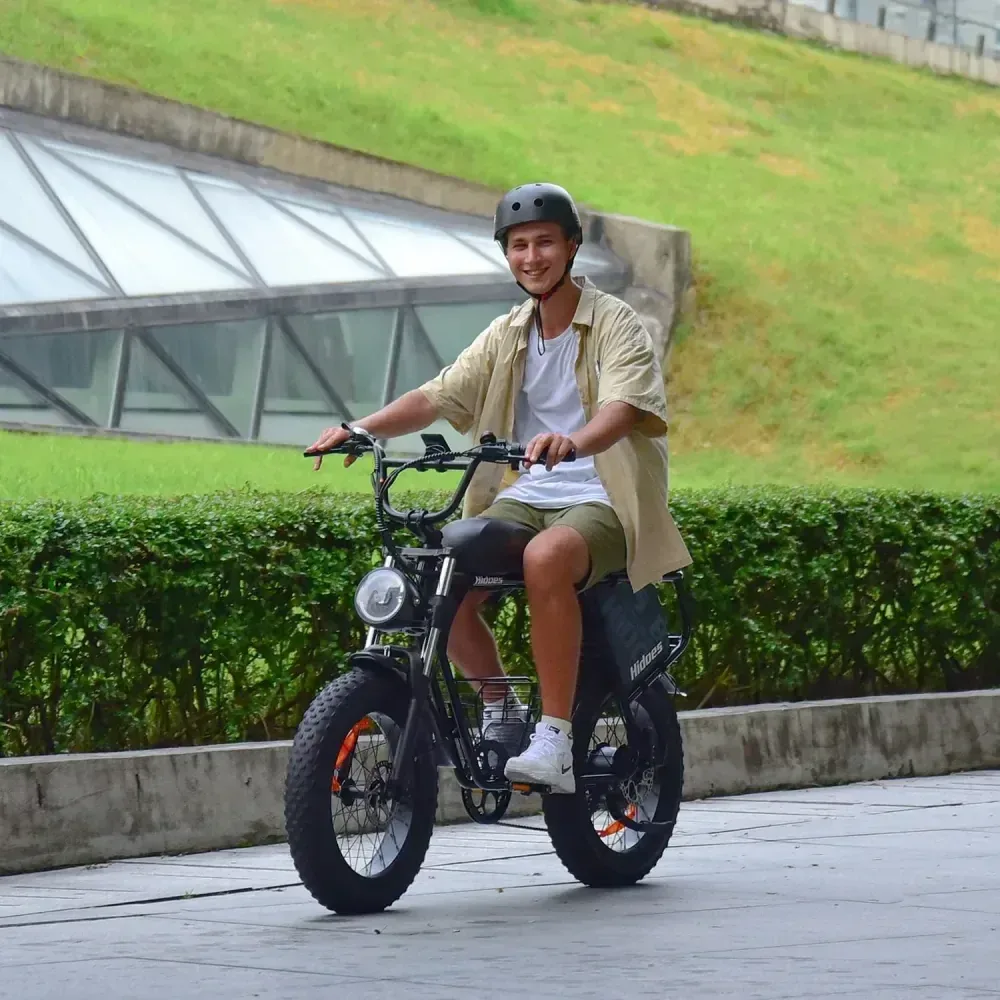
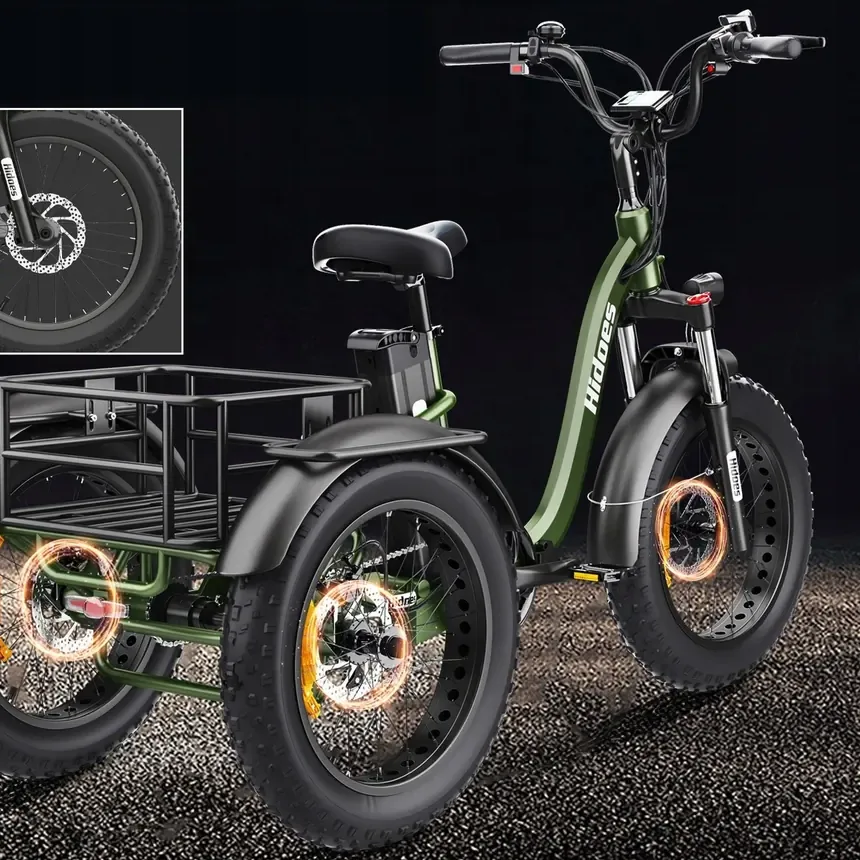
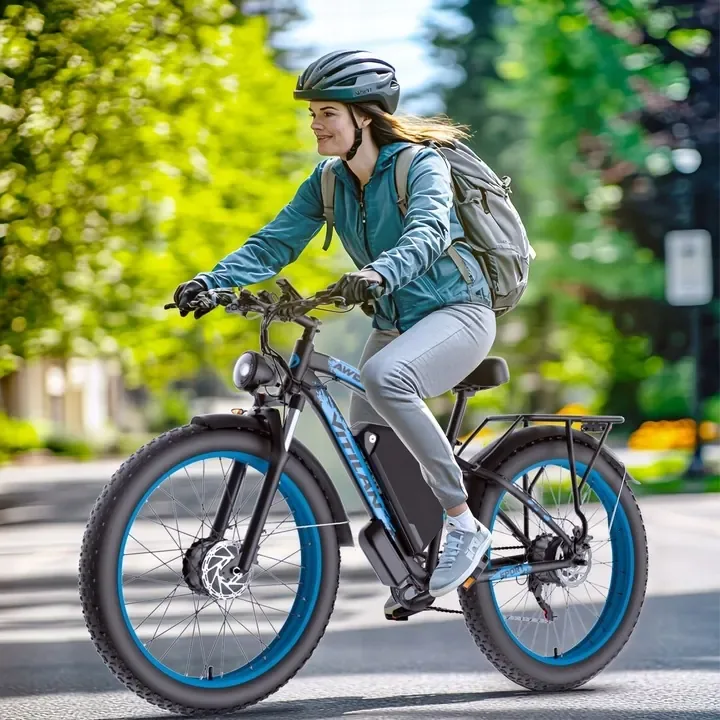
Hidoes B9 vs HD-ET1: Dual Battery or All-Terrain?
A practical UK comparison of the Hidoes B9 dual battery fat bike and the HD-ET1 all-terrain e-bike. We look at price, range, comfort, law and real-world use.

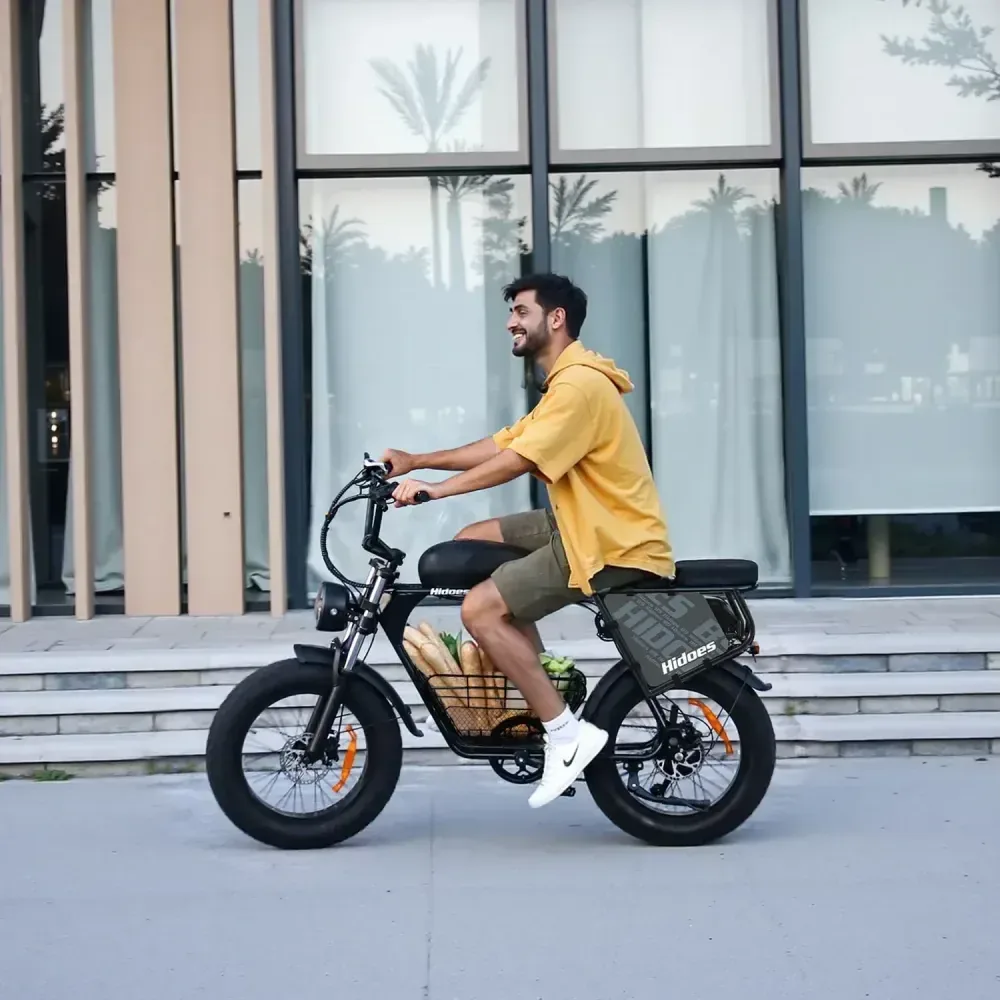
If you are choosing between the Hidoes B9 Dual Battery Fat Tyre Electric Bike and the HIDOES HD-ET1 All-Terrain Electric Bike, you are really asking one question. Do you want a bike that goes further between charges, or one that handles rougher ground with more confidence? The answer depends on where you ride most.
We will break down both bikes honestly. We have not ridden them, so we rely on the manufacturer's published specifications, the current prices in our shop, and UK electric bike law. That is enough to give you a clear, practical verdict.
What You Need to Know Upfront
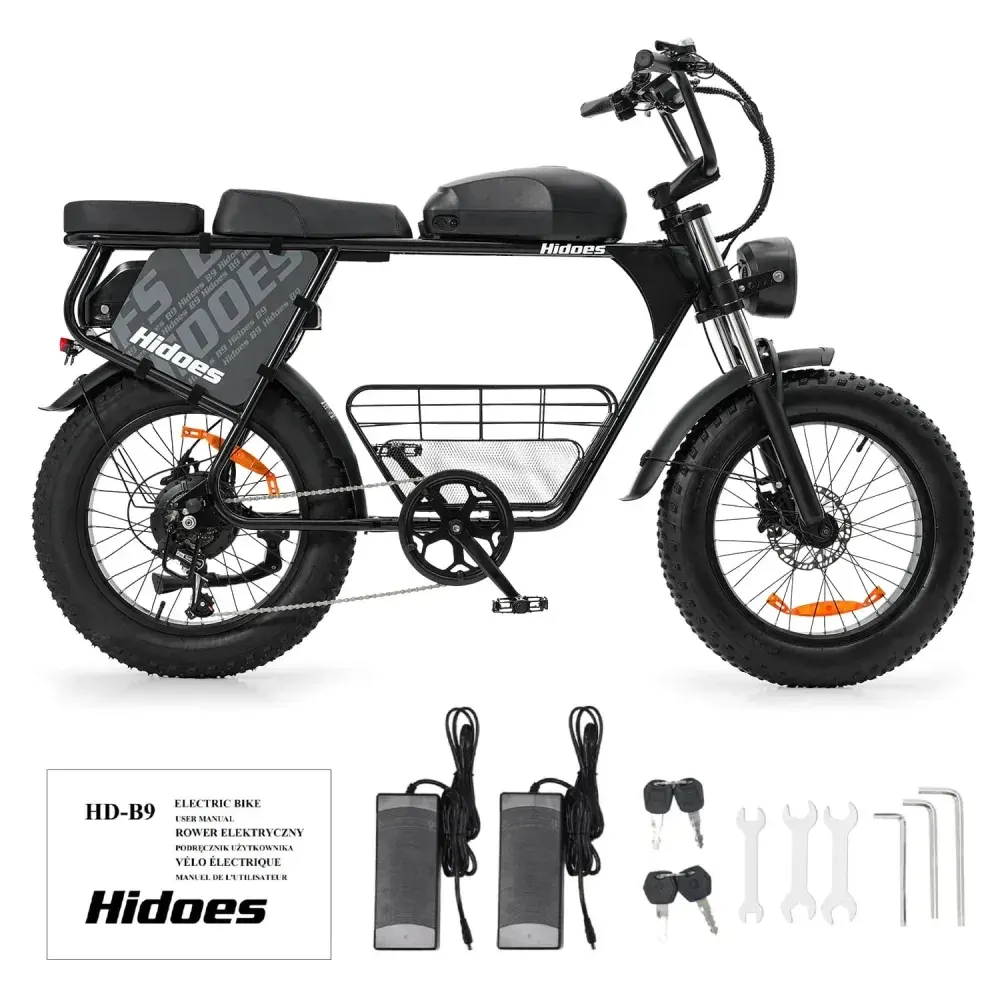
The full Hidoes range gives you two very different machines here. The B9 is built around a dual battery system and fat tyres. The HD-ET1 is built around all-terrain suspension and a sturdier frame. At the time of writing, the B9 costs £750 with an RRP of £1799. The HD-ET1 costs £1599 with an RRP of £1949.
That price gap is huge. The B9 is less than half the price of the HD-ET1 right now. If budget is your first concern, the B9 wins before we even look at the details. But the HD-ET1 is not just more expensive. It is designed for harder riding, and you should know what that extra money buys.
Think about your weekly rides. If you mostly use tarmac paths, canal towpaths, or gentle gravel, the B9 will feel plush and capable. If you plan to tackle rocky bridleways, steep loose climbs, or deep mud, the HD-ET1 is the more appropriate tool. Both are legal electric bikes in the UK, but they sit in different corners of the market.
Price and Value: What You Pay for Each
Let's look at the numbers. The Hidoes B9 is currently £750, down from an RRP of £1799. That is a very low price for a dual battery electric bike. The HD-ET1 is £1599, down from £1949. You save £350 on the HD-ET1, but you still pay more than double the B9.
Does the HD-ET1 offer double the value? Probably not for most riders. The B9's discount is aggressive, and at £750 it is one of the cheapest dual battery fat bikes you will find from a known brand. The HD-ET1's price is fair for what it is, but it is not a bargain. It is a mid-range all-terrain e-bike.
Here is what the price difference often reflects. The HD-ET1 likely has a better suspension fork, stronger brakes, and a frame built for harder impacts. The B9 keeps costs down with simpler parts and a focus on battery range. Both can be good value, but the B9 is the standout deal right now.
- B9: £750, dual battery, fat tyres, comfort-focused
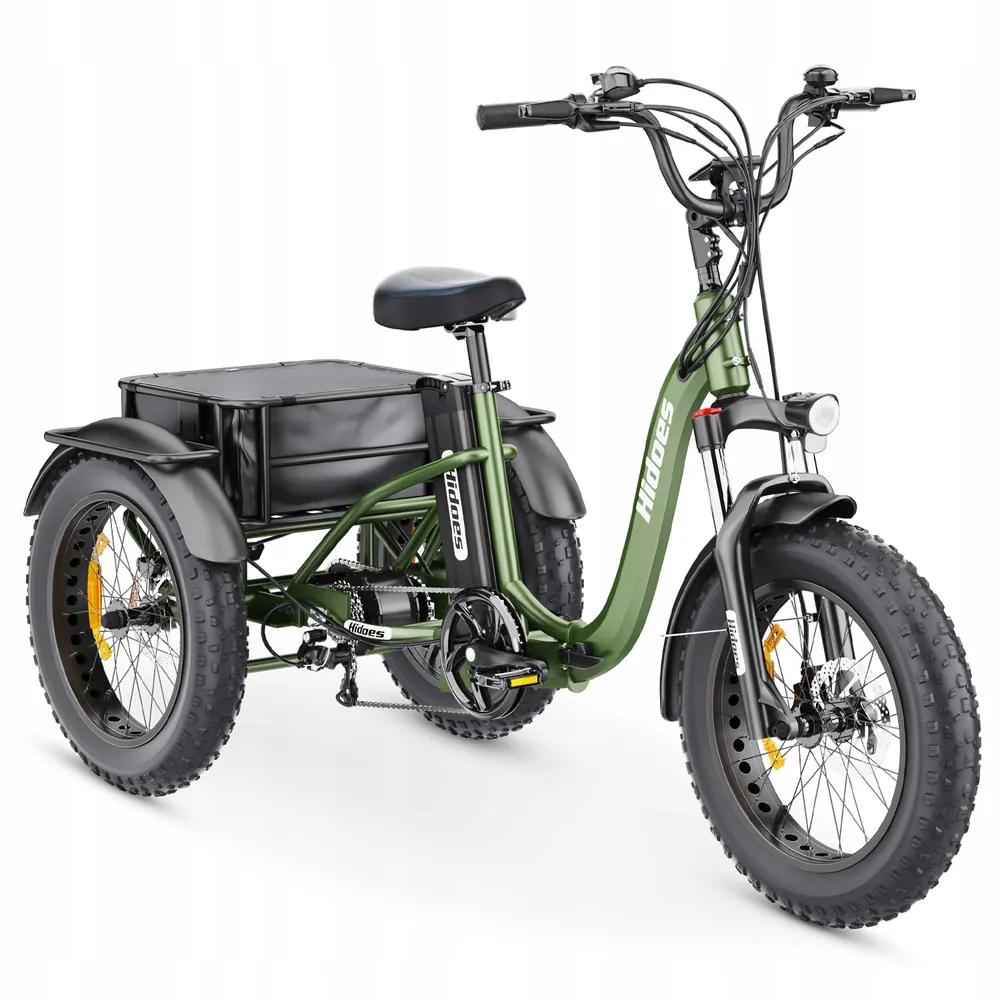
- HD-ET1: £1599, all-terrain suspension, sturdier build
- B9 is less than half the price of the HD-ET1
- HD-ET1 suits riders who need more off-road control
What the Discount Really Means
The B9's RRP of £1799 suggests it was originally positioned as a premium fat bike. A drop to £750 is a clearance-level price. That kind of discount usually means the model is being phased out or the retailer is clearing stock. It does not mean the bike is bad. It means you can get a lot of capability for very little money.
The HD-ET1's discount from £1949 to £1599 is more typical. It is a current model with a smaller saving. If you want the latest all-terrain design, you pay closer to full price. If you are happy with a slightly older but still excellent fat bike, the B9 is the bargain.
Battery and Range: Dual Battery vs Single Battery
The B9's headline feature is its dual battery system. Two batteries mean you can ride further before you need to charge. The manufacturer does not publish a single combined range figure, but in real UK conditions you can expect well over 40 miles in low assist mode. Hills, cold weather, and throttle use will cut that figure quickly, as with any e-bike.
The HD-ET1 uses a single battery. It is still a capable commuter, but you will need to plan your charging more carefully on longer rides. If your round trip is under 25 miles, the HD-ET1 is fine. If you want to explore all day without carrying a charger, the B9's dual battery is the safer bet.
Cold weather is worth remembering. Lithium batteries lose capacity below 10°C, so a 40-mile summer range can become 30 miles in winter. The B9's extra battery gives you a cushion. The Cycling UK guide to e-bikes explains how range varies with assistance level, rider weight, and terrain.
One practical point: the B9 is heavier because of the second battery. If you need to carry your bike up stairs or lift it onto a train, that weight matters. The HD-ET1 is lighter in comparison, though still a heavy e-bike by normal standards.
Charging and Battery Care
Charge both bikes in a cool, dry place. Avoid leaving the battery fully charged for weeks, as that shortens its life. The B9's two batteries can be charged separately, which is handy if you only have one charger. You can also bring one battery indoors to charge while the bike stays outside.
For the HD-ET1, one battery means simpler charging but no backup. If the battery fails, the bike is unusable until you replace it. With the B9, you could ride on one battery if the other has an issue. That is a real advantage for a bike used daily.
Ride and Handling: Fat Tyre Comfort vs All-Terrain Control
The HD-ET1 is designed for all-terrain use. Expect a better front suspension fork and possibly wider handlebars for control. The frame geometry should be more responsive when you are climbing steep loose trails. If you ride on bridleways or forest tracks regularly, the HD-ET1 will feel more at home.
The B9 has fat tyres, which act like suspension on rough paths. They absorb small bumps and give you a stable, planted feel. On tarmac they roll a little slower, but for most UK cycle paths that is not a problem. The B9 feels like a comfortable cruiser.
Neither bike is a mountain bike in the pure sense, but the HD-ET1 leans closer to that direction. The B9 is better on towpaths and gravel. For most urban and suburban riders, the B9's fat tyres deliver enough comfort without the extra cost.
You can read about riding different surfaces on Sustrans' guide to gravel and rough paths. It explains how tyre width and suspension affect comfort and control.
Brakes and Safety
Both bikes should have disc brakes, but the HD-ET1 may have larger rotors or hydraulic brakes for better stopping power on steep descents. The B9's brakes are adequate for its intended use. Check the product pages for exact brake specifications before you buy.
Wet weather changes things. Fat tyres can feel skittish on wet leaves, while all-terrain tyres often have deeper tread for mud. The HD-ET1's tyre tread is likely better suited to soggy UK winters if you ride off-road.
UK Law and Where You Can Ride
Both the B9 and HD-ET1 are legal electric bikes in the UK, provided they meet the rules. The motor must be rated at 250W maximum, and assistance must cut off at 15.5 mph. You must be 14 or over to ride one. You do not need a licence, tax, or insurance, but you must follow the same road rules as cyclists.
The government's electric bike rules page is the best place to check the details. Both bikes are classed as electrically assisted pedal cycles (EAPCs) when they meet these limits. That means you can ride them on cycle paths, bridleways, and roads where bicycles are allowed.
One thing to note: a throttle that works without pedalling is only allowed up to 3.7 mph (6 km/h). Above that, you must pedal. Some fat tyre e-bikes have a full-speed throttle out of the box, which would make them illegal on UK public roads. Always check the bike's settings and make sure it complies.
For off-road private land with permission, you can use more powerful settings, but that is a different situation. Stick to the 250W, 15.5 mph limit for any public riding.
Common Mistakes
Some riders assume a dual battery bike is automatically illegal because of the extra capacity. That is not true. The law limits motor power and assisted speed, not battery size. As long as the motor is 250W and assistance stops at 15.5 mph, you can carry as many batteries as you like.
Another mistake is buying a bike with a throttle that works above 3.7 mph without pedalling. Even if you never use it, the bike is not road legal if it has that setting. Make sure the bike is configured for UK rules before you ride it in public.
Which Bike Suits Your Daily Routes?
Think about your typical week. Do you commute on tarmac or shared paths? The B9 is more comfortable and better value. Do you ride on rough bridleways or steep gravel climbs every weekend? The HD-ET1 is worth the extra money. For mixed use, the B9 still handles light off-road well.
Here is a simple use-case table to help you decide:
| Use case | B9 | HD-ET1 | Notes |
|---|---|---|---|
| City commuting under 10 miles each way | Excellent value | Good but overkill | B9 saves money |
| Leisure rides on towpaths and gravel | Very comfortable | Capable but pricier | B9 fat tyres shine |
| Off-road bridleways and forest tracks | Manageable with care | Designed for this | HD-ET1 safer choice |
| Long day rides over 40 miles | Dual battery helps | Need to plan charging | B9 range advantage |
If you rarely leave the road, the HD-ET1's extra capability is wasted. You would be paying for suspension you do not need. The B9 is the sensible pick for most UK riders who want a comfortable e-bike for everyday use.
Maintenance and Ownership Costs
Both bikes need the same basic care. Keep the tyres pumped up, clean the chain, and check the brakes. The B9's fat tyres can be more expensive to replace than standard tyres, but they also wear slower if you do not skid. The HD-ET1's suspension fork may need servicing after a few years of hard off-road use.
Battery replacement is the big long-term cost. A dual battery bike like the B9 will cost more to re-battery when the cells wear out, because you need two packs. However, you can stagger replacement: buy one new battery and keep the older one as a spare.
The HD-ET1 uses one battery, so replacement is cheaper. But if that single battery dies unexpectedly, you are stuck. Overall, the B9's low purchase price offsets the future battery cost. For a bike that costs £750, you can afford a spare battery and still spend less than the HD-ET1's £1599.
You can find general e-bike maintenance advice on Sustrans' e-bike maintenance tips. It covers cleaning, battery storage, and brake care.
Final Verdict: Which Hidoes Should You Buy?
For most UK buyers, the Hidoes B9 is the clear winner. At £750, it offers dual battery range, fat tyre comfort, and a versatile ride that handles the vast majority of UK paths. The HD-ET1 is a better all-terrain machine, but it costs more than double and its extra capability only matters if you ride off-road regularly.
If your rides include rocky bridleways, steep loose climbs, or deep mud on a weekly basis, the HD-ET1 justifies its price. It is a more focused tool. But if you are like most riders who stick to tarmac, gravel, and towpaths, the B9 does everything you need without breaking the bank.
Our verdict: buy the B9 for value and range, unless you are certain you need the HD-ET1's off-road focus.
You can browse both bikes and the rest of the All Bikes collection to compare current prices and availability. For more e-bike comparisons and guides, visit our all guides page.
Frequently asked questions
Which Hidoes is better for commuting, the B9 or HD-ET1?
The Hidoes B9 is better for most UK commutes. It costs £750, has a dual battery for longer range, and fat tyres that smooth out poor tarmac and towpaths. The HD-ET1 costs £1599 and is overkill for road riding.
Is the Hidoes B9 road legal in the UK?
Yes, as long as the motor is limited to 250W and assistance cuts off at 15.5 mph. Check that any throttle only works up to 3.7 mph without pedalling. The bike must meet EAPC rules to be ridden on public roads.
Can the Hidoes HD-ET1 handle proper mountain bike trails?
The HD-ET1 is designed for all-terrain use and should handle bridleways, forest tracks, and moderate off-road trails. It is not a full downhill mountain bike, so avoid extreme jumps and very rocky descents.
How far can the Hidoes B9 go on a single charge?
With dual batteries, you can expect well over 40 miles in low assist mode, but real range drops in cold weather, on hills, or if you use the throttle often. The manufacturer does not give a combined range figure, so treat 40 miles as a guide.