- Home
- /
- Electric Bike Guides & Reviews
- /
- UK E-Bike Law Explained, Speed, Power & Age Limits (2026)
UK E-Bike Law Explained, Speed, Power & Age Limits (2026)
A clear guide to UK e-bike regulations in 2026. We cover motor power limits, speed restrictions, minimum age, and rules for roads, cycle lanes, and trails.

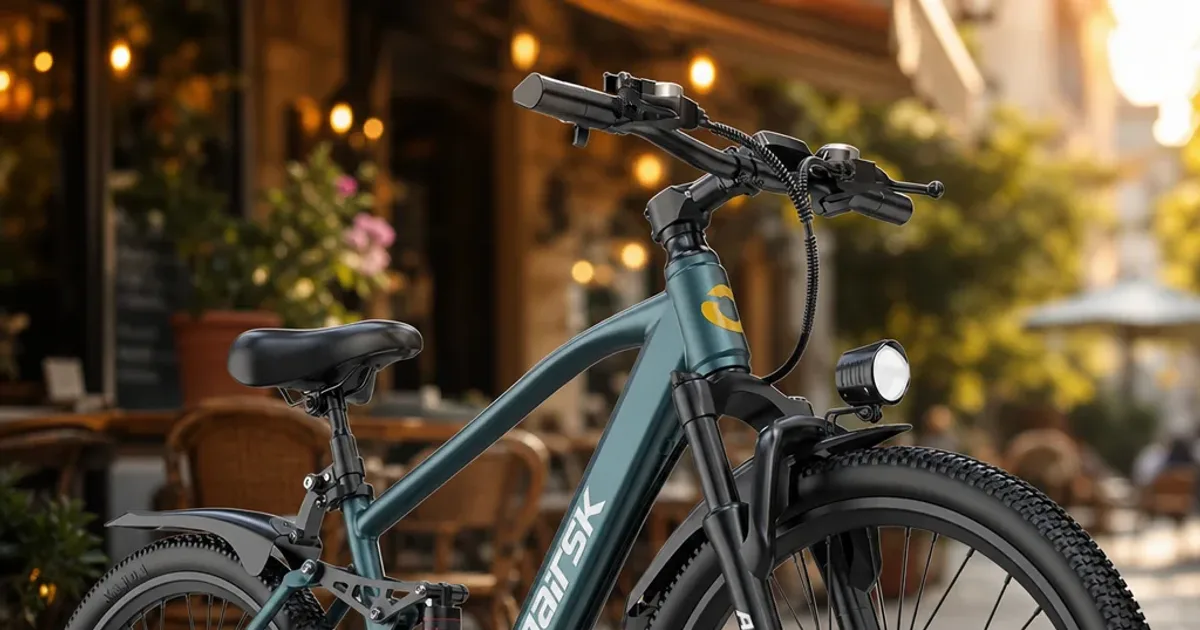
Riding an electric bike in the UK is simpler than you might think. But you still need to know the rules. This guide explains the key laws on speed, power, and age for 2026.
The government classes most electric bikes as Electrically Assisted Pedal Cycles (EAPCs). As long as your bike meets EAPC rules, you can use it like a normal bicycle. Let's look at exactly what that means.
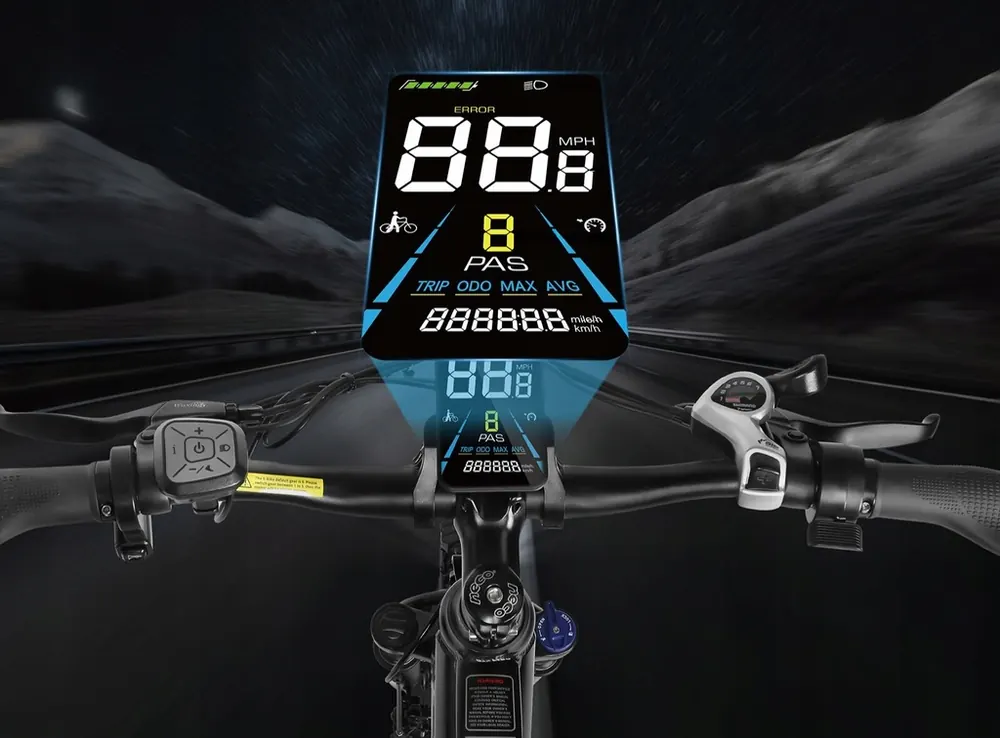
What Exactly Is an Electrically Assisted Pedal Cycle (EAPC)?
An EAPC is the legal term for an electric bike in the UK. It must meet three conditions: the motor helps only when you pedal, the power does not exceed 250 watts, and the assistance cuts off at 15.5 mph.
If your bike ticks these boxes, it counts as a standard pedal cycle. You do not need a licence, insurance, or registration. You can ride on roads, cycle paths, and anywhere else pushbikes are allowed.
The law comes from the Department for Transport. You can read the official guidance on GOV.UK. The rules have been stable for years, but small updates arrive from time to time.
Key Legal Definition Under UK Law
To be an EAPC, your bike must show these features: two or three wheels, pedals that can move it, an electric motor that only assists while pedalling, and a motor that stops helping at 15.5 mph.
The motor can be in the hub, crank, or even a friction drive. It does not matter where it sits, as long as it follows the power and speed limits.
If your e-bike can be pushed along without pedalling (a twist-and-go throttle) and goes faster than 3.7 mph like that, it becomes a different vehicle class. We will cover throttles later.
How EAPC Differs from Mopeds and Speed Pedelecs
A moped needs registration, insurance, and a driving licence. Speed pedelecs (which assist up to 28 mph) are not classed as bicycles here. In the UK, they fall under moped rules.
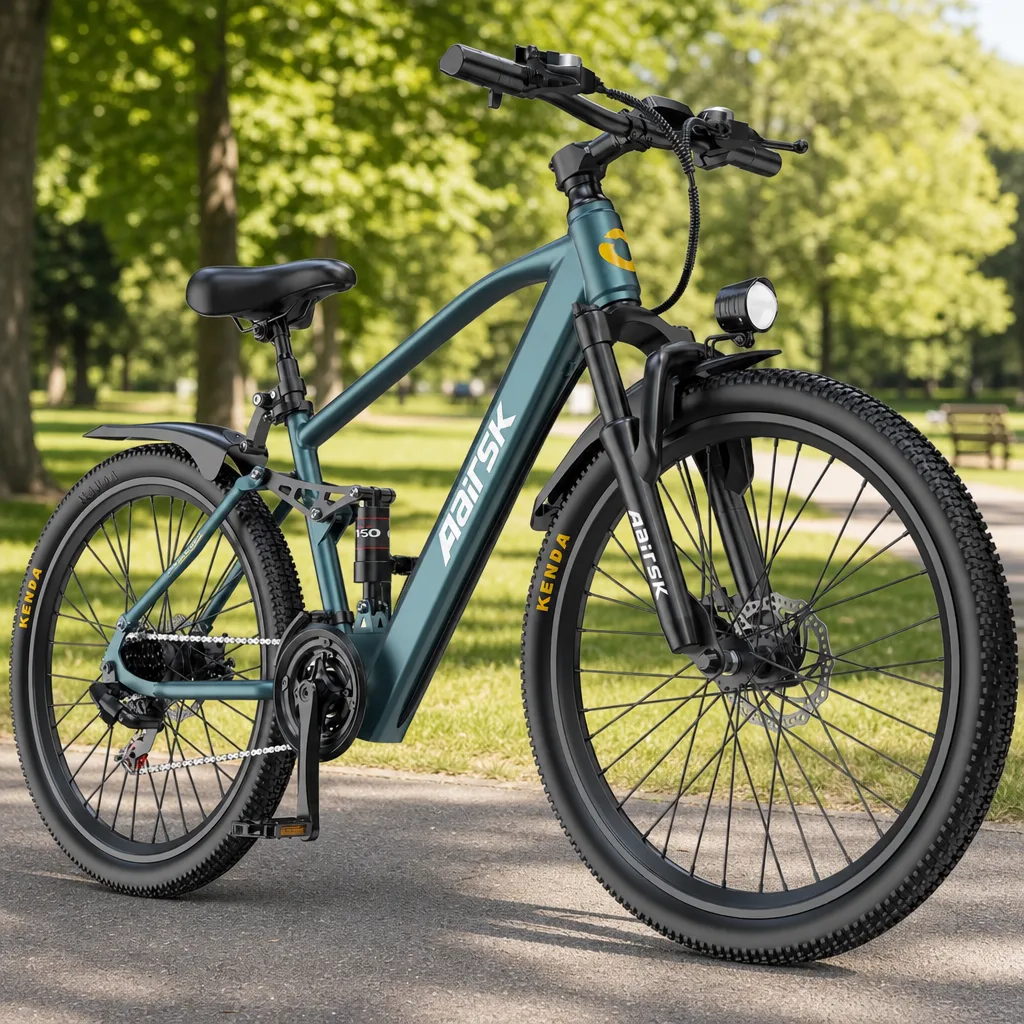
Most Biktron electric bikes are designed as standard EAPCs, and the higher powered models are sold for private land only. For example, the AAIRSK SU7 City Electric Bike fully meets every rule. You can ride it straight away without extra paperwork.
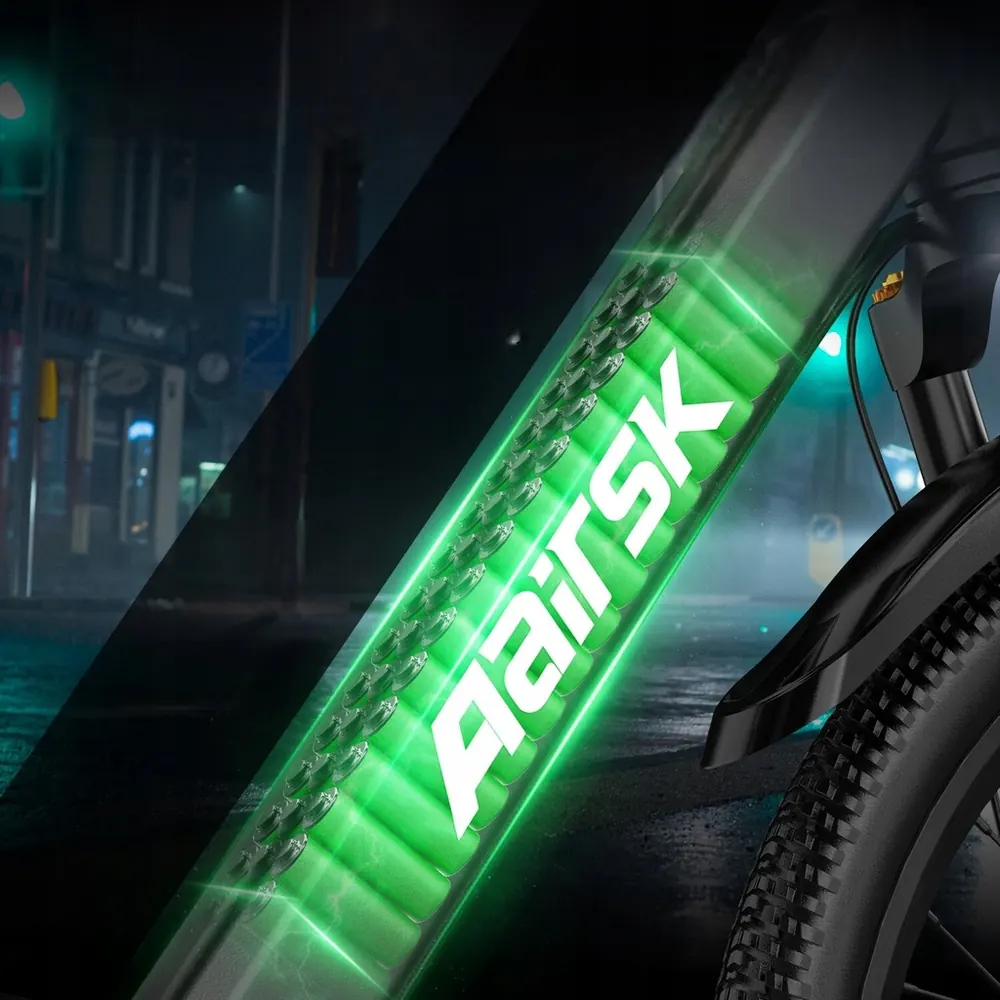
Motor Power Limit – Why 250 Watts?
UK law caps the continuous rated power at 250 watts. This limit exists to keep e-bikes safe and well-matched with regular bicycles. Anything above that changes the vehicle classification.
The 250W figure refers to the maximum sustained output the motor can deliver. Do not confuse it with peak power, which can be higher for short bursts. Manufacturers must rate the motor honestly under the rules.
Cycling UK explains that the 250W limit balances help with safety. Visit their guide at Cycling UK for more background.
If your motor is more powerful, your vehicle might need a type approval. You would have to register it, insure it, and possibly wear a helmet. That quickly removes the simplicity that makes e-bikes so attractive.
How to Check Your E-Bike Motor Rating
Look for a label on the motor body or in the user manual. It will show the rated power in watts. All bikes sold by Biktron, like the AAIRSK GT900 Mountain Electric Bike, display this clearly.
You should also check that the motor cannot be unlocked to exceed 250W. Some illegal devices or settings let you boost power, but using them on public roads breaks the law.
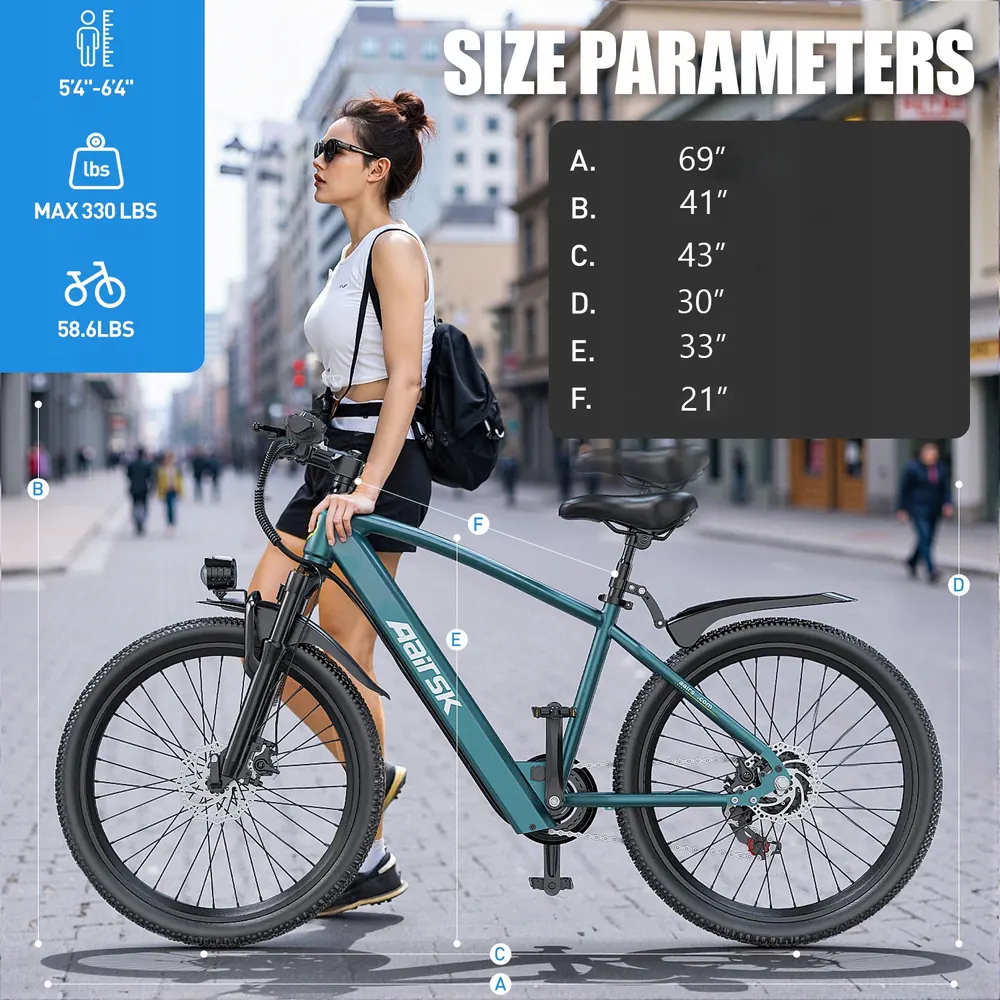
Assisted Speed Limit – 15.5 mph Ceiling
By law, the motor must cut out when you reach 15.5 mph. This is measured as the speed at which the assistance stops, not the top speed of the bike itself. You can go faster by pedalling harder or going downhill.
The 15.5 mph limit keeps e-bikes in line with regular cycles on shared paths. It stops them becoming a hazard to slower riders and walkers. The rules apply on any public road, cycle lane, or bridleway.
Many people ask if 15.5 mph feels fast enough. In town traffic, it is often perfect. You will keep up with cars at the lights and glide past jams. Open roads may leave you wanting more, but the law is there for good reason.
What Happens If You Ride an Unlocked E-Bike?
Some online sellers offer “dongles” that remove the speed limiter. If you use these, your bike no longer counts as an EAPC. You are effectively riding an unregistered moped.
Police can seize the bike and you could face points on your driving licence, even if you do not hold one. A fine of hundreds of pounds is possible. It is simply not worth the risk.
All our models, such as the DYU D3F Folding Electric Bike, stay within the rules. You get safe, legal assistance every ride.

Minimum Age to Ride an E-Bike in the UK
You must be at least 14 years old to ride an EAPC on public roads. If you are under 14, you can still ride on private land with the landowner’s permission. But streets and cycle lanes are off limits.
There is no upper age limit. Many older riders find e-bikes a brilliant way to stay active. For younger teens, it opens up school runs or weekend fun without needing a moped licence.
The age rule came in to match the mini-moto and moped age restrictions. It stops young children using electric power on busy roads. You can check the legislation at legislation.gov.uk.
Does My Child Need a Licence at 14?
No, a licence is not required if the bike meets EAPC standards. A 14-year-old can ride just like any cyclist. Helmet use is strongly advised but not compulsory by law.
We recommend a well-fitted helmet and some practice away from traffic. A lightweight city bike like the DYU C2 City Electric Bike can be a great first step.
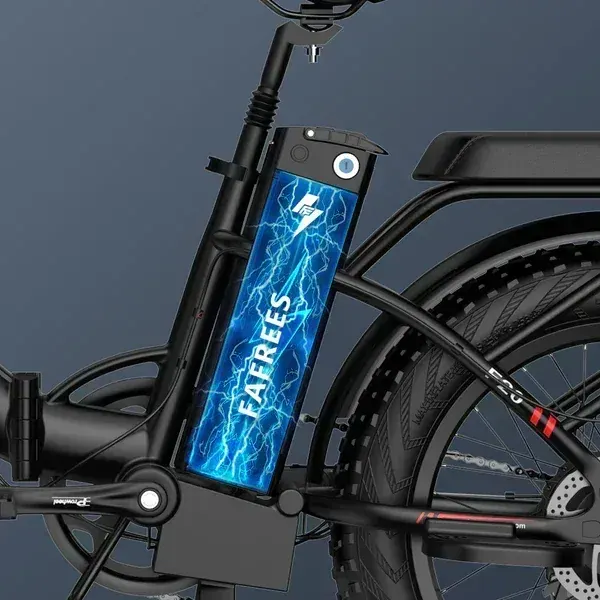
Where Can You Legally Ride an E-Bike?
You can ride an EAPC on roads, cycle lanes, and cycle tracks. You can also use most bridleways and shared-use paths. The key phrase is “wherever a normal bicycle may go.”
Footpaths (pavements) are off limits unless marked as shared use. Riding on the pavement is illegal and can attract a fixed penalty notice. The same applies to dedicated footpaths across parks and fields.
Sustrans gives a clear overview of e-bike access in the UK. Their guide is at Sustrans. It confirms that towpaths and most traffic-free routes welcome EAPCs.
Riding on Private Land and Trails
Private land rules are set by the landowner. You can often ride faster or use unregistered throttles there. But always ask permission first. Forestry England and many trail centres expect EAPCs to follow standard bike rules.
If you love off-road exploring, our Mountain Bikes range is ready. The ENGWE ENGINE Pro 3.0 Boost Electric Mountain Bike offers superb traction for legal trail riding.
Throttles and Twist-and-Go: What the Law Says
Full twist-and-go throttles are allowed only if they work up to 3.7 mph without pedalling. This is a “start-up assistance” feature. Once you are moving, you must pedal to keep the motor going.
If your bike has a throttle that can go faster without pedalling, it no longer meets EAPC rules. It would be classed as a moped or motorcycle. Many imported bikes fall foul of this detail.
The vast majority of UK-legal e-bikes, including all our All Bikes, use pedal-assist sensors. You push the pedals and the motor adds power. This keeps everything simple and compliant.
What About E-Bikes for Riders with Disabilities?
There is a small exception under the Chronically Sick and Disabled Persons Act. If you hold a Blue Badge, you may be able to use a throttle-only e-bike on pavements. You must still keep to 4 mph on footpaths and 8 mph on roads.
Such bikes are specialist and need assessment. For most people, a standard pedal-assist model works brilliantly. Our City Bikes offer smooth, gentle assistance for all abilities.
E-Bike Licensing, Insurance, and Registration – Do You Need Them?
For a standard EAPC, you do not need a driving licence, tax disc, insurance, or registration. The bike does not require an MOT, and you do not need a number plate. It is treated exactly like a pushbike.
This lack of red tape is one reason e-bikes have boomed. You can buy one today, charge it, and ride away. There is no annual cost beyond electricity and basic maintenance.
However, third-party insurance is wise. Cycling UK membership often includes it. If you are in an accident, you are covered. It is not a legal must, but it is a smart move.
What If I Modify My E-Bike to Go Faster?
Any modification that lets the motor assist beyond 15.5 mph changes the legal class. The vehicle becomes a moped. You would then need to register it, insure it, and hold a licence.
Riding an unregistered modified e-bike is an offence. The penalties can include 6 points on your licence and a fine. Uninsured riding can lead to the bike being crushed.
Recent Updates and Proposed Changes for 2026
As of 2026, the core EAPC rules have not dramatically altered. But there are ongoing discussions about e-scooters and e-cargo bikes. The government has clarified that any rental e-scooter is not an EAPC.
There is also talk of raising the power limit for cargo e-bikes to 500W. This would help delivery firms and families. No final decision has been made, but trials are under way in some cities.
For now, the 250W and 15.5 mph rules remain the law. Most Biktron bikes are built to these standards, and the higher powered models are sold for private land only. We watch any developments closely so you can ride with confidence.
What Does This Mean for Your Next Purchase?
When you buy from a UK-focused brand, you know the bike is road-legal. Our guide on Is AAIRSK a Good Electric Bike Brand? shows how reputable makers stick to the rules.
Always avoid iffy online deals that promise “off-road only” speeds. They may not be set up for UK roads. Stick with a bike that has clear 250W labelling and a 15.5 mph cut-off.
How These Rules Affect Your Choice of Electric Bike
Knowing the law helps you pick the right bike. If you mostly ride in the city, a 15.5 mph limit is rarely a problem. You will spend more time accelerating from lights than cruising at top speed.
For hilly areas, focus on torque rather than raw power. A legal 250W motor can still produce plenty of hill-climbing force. Our AAIRSK GT900 Review shows how a £599 bike can tackle steep climbs.
If you need to carry shopping or kids, a cargo-style e-bike might suit you. Our Cargo Bikes page shows legal options with sturdy frames. They stay within the EAPC class while offering huge utility.
Summary Checklist for UK Legal Riding
Here is a quick list to keep your e-bike within the law:
- Motor rated at 250W continuous or less.
- Electric assistance stops at 15.5 mph.
- Motor only helps while you pedal (throttle up to 3.7 mph is fine).
- Rider must be at least 14 years old.
- No licence, insurance, or registration needed.
- Ride on roads, cycle lanes, and shared paths. Keep off pavements.
- Bike must show the manufacturer’s name and motor output on a label.
Following these points means you enjoy all the benefits without any legal worry. Electric bikes are here to make life easier, greener, and more fun. Just keep it legal and stay safe out there.
Frequently asked questions
Do I need a driving licence for an electric bike in the UK?
No, if your e-bike meets EAPC rules (250W motor, 15.5 mph limit, pedal assist) you do not need a licence. It is treated like a normal bicycle.
Can I ride an e-bike without pedalling?
Only up to 3.7 mph using a start-up throttle. Beyond that, you must pedal to get motor assistance. Full twist-and-go throttles are not legal for e-bikes classed as EAPCs.
What happens if my e-bike goes faster than 15.5 mph?
If the motor cuts out at 15.5 mph, the bike itself can go faster under your own power or downhill. If the motor keeps assisting, the bike is no longer legal and counts as an unregistered moped.
Are e-bikes allowed on cycle paths?
Yes, as long as the path allows cycles. EAPCs can use cycle lanes, shared-use paths, and bridleways. They are not allowed on pavements unless signed as shared.
Can a 13-year-old ride an electric bike?
No, you must be 14 or older to ride an EAPC on public roads. On private land with permission, there is no age restriction, but we recommend adult supervision.